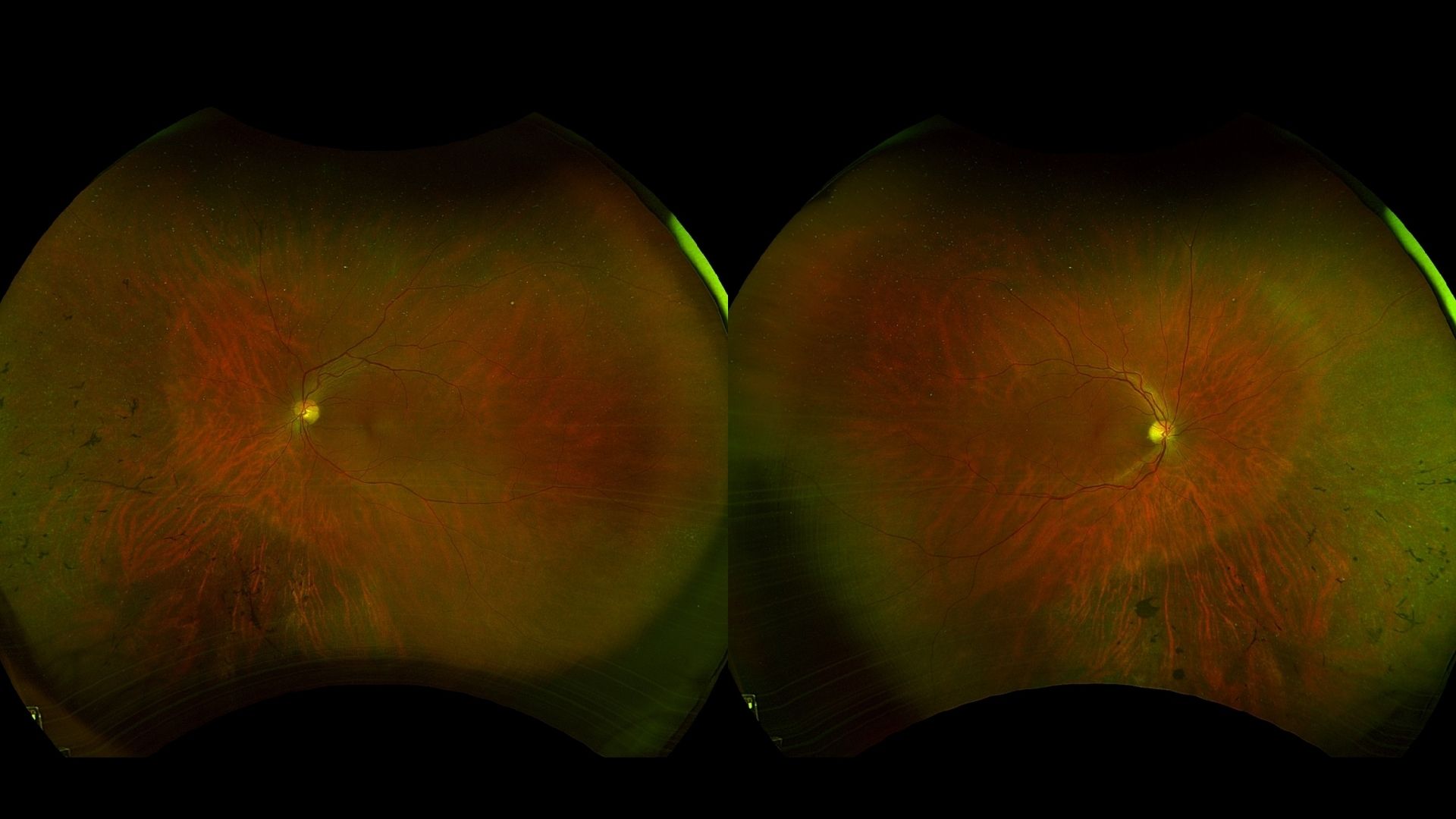
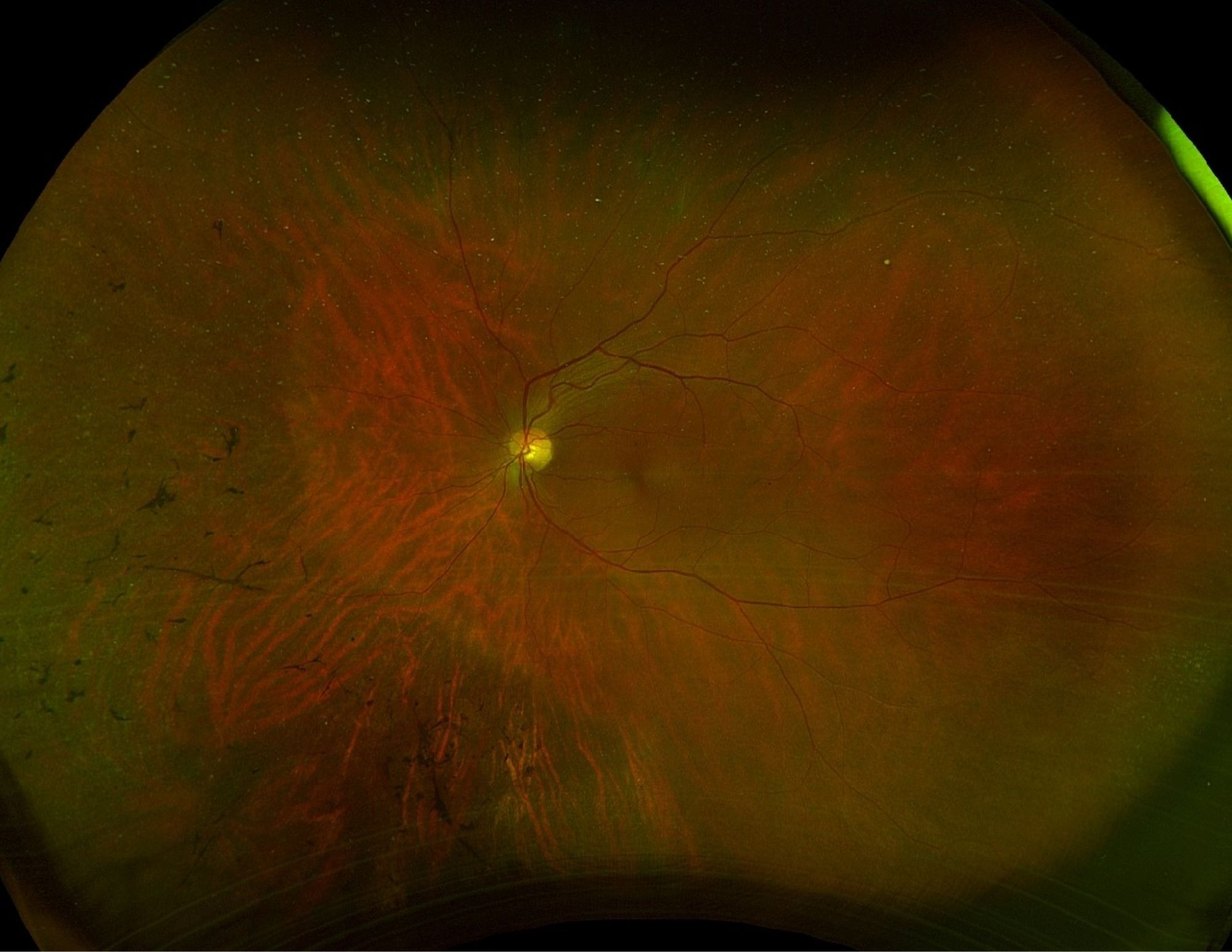
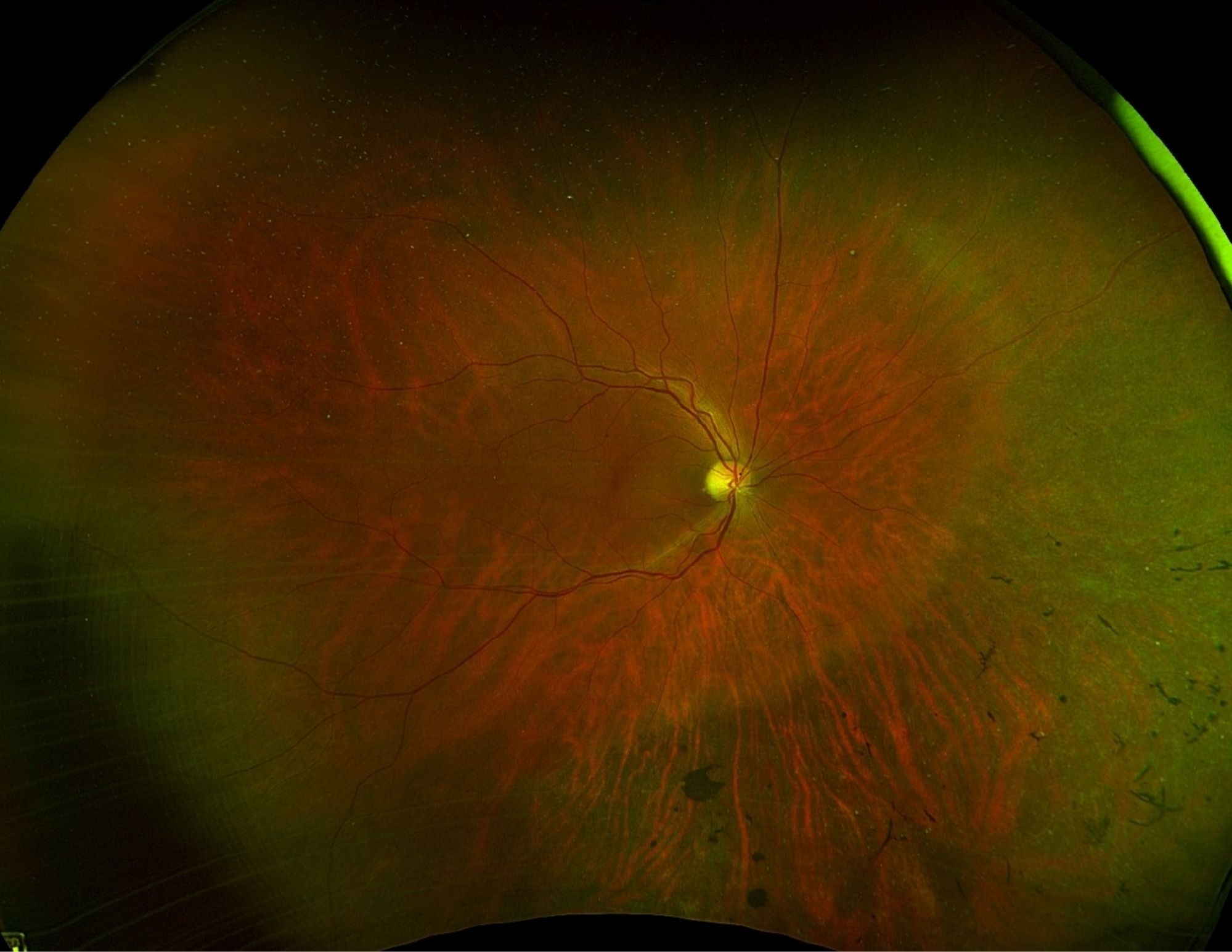
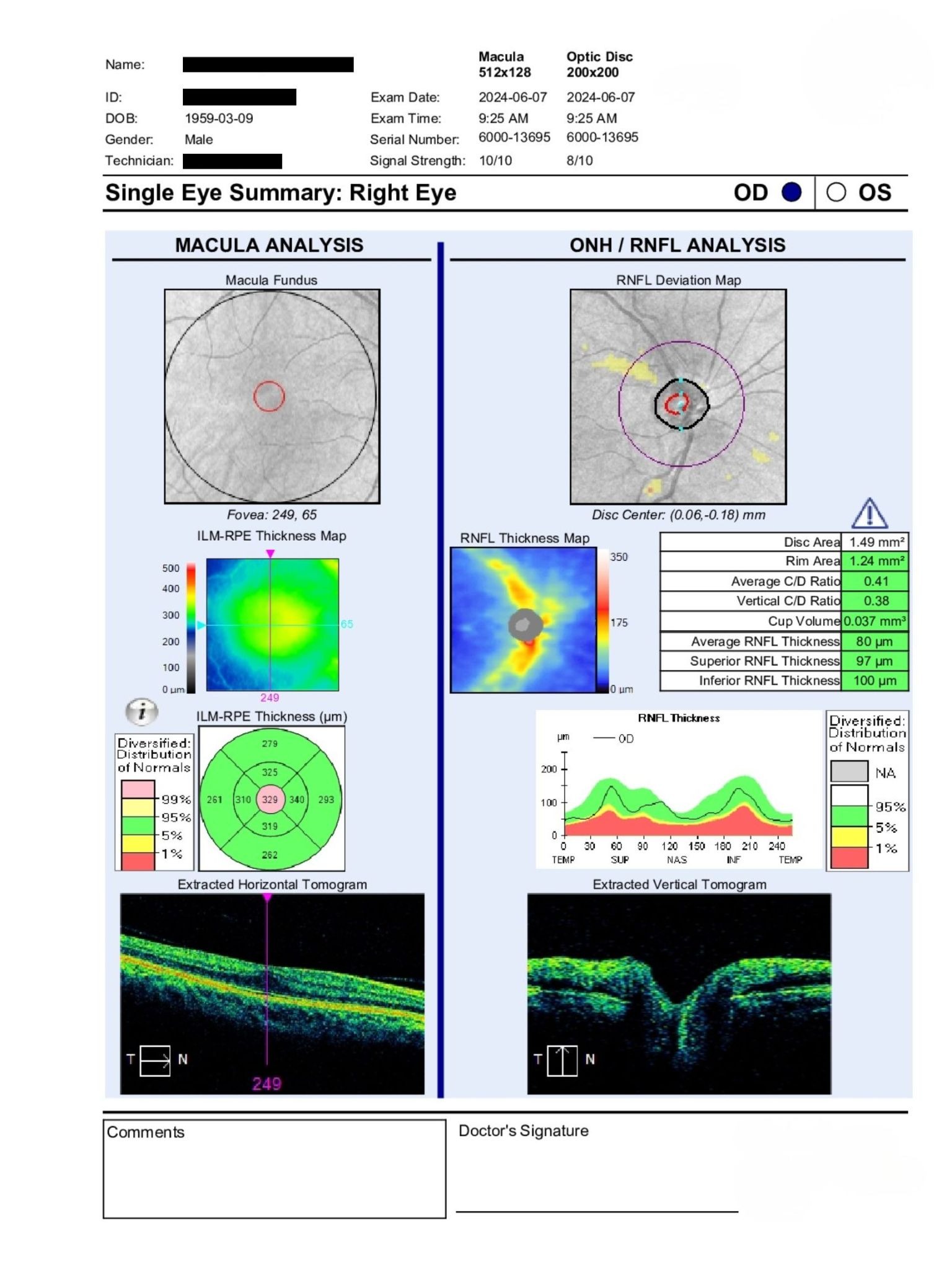
67-year-old man with peripheral bone spicule retinal changes and reduced vision requiring further hereditary retinal disease assessment.
Special Edition - Case Study: Bone Spicules on Fundus Exam
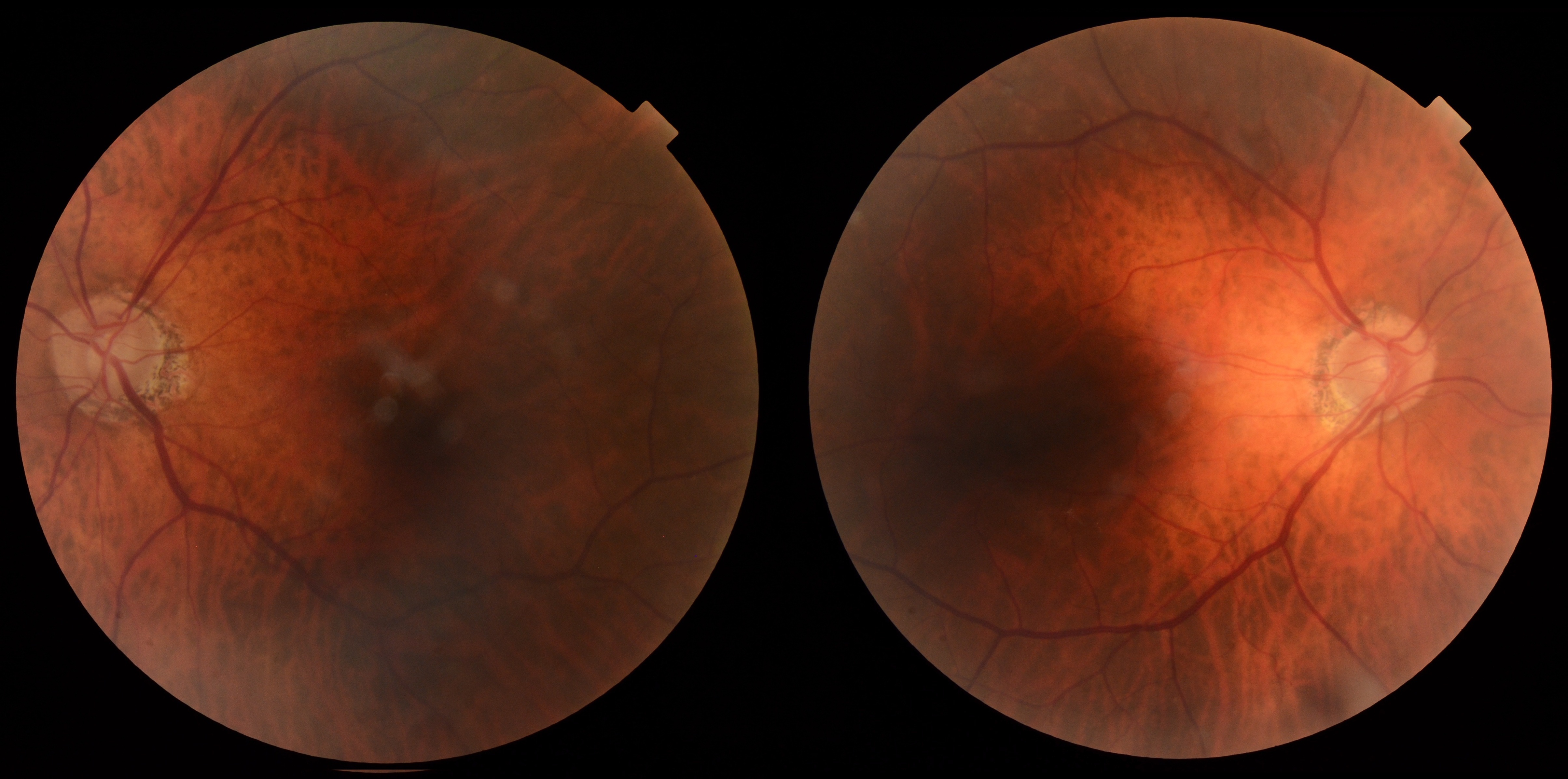
When this 67-year-old patient came to see me, he was not concerned about his vision. He had been seeing optometrists for more than 20 years and believed his eyes were healthy. During my examination, however, I noticed retinal findings that raised concern for a hereditary retinal condition.
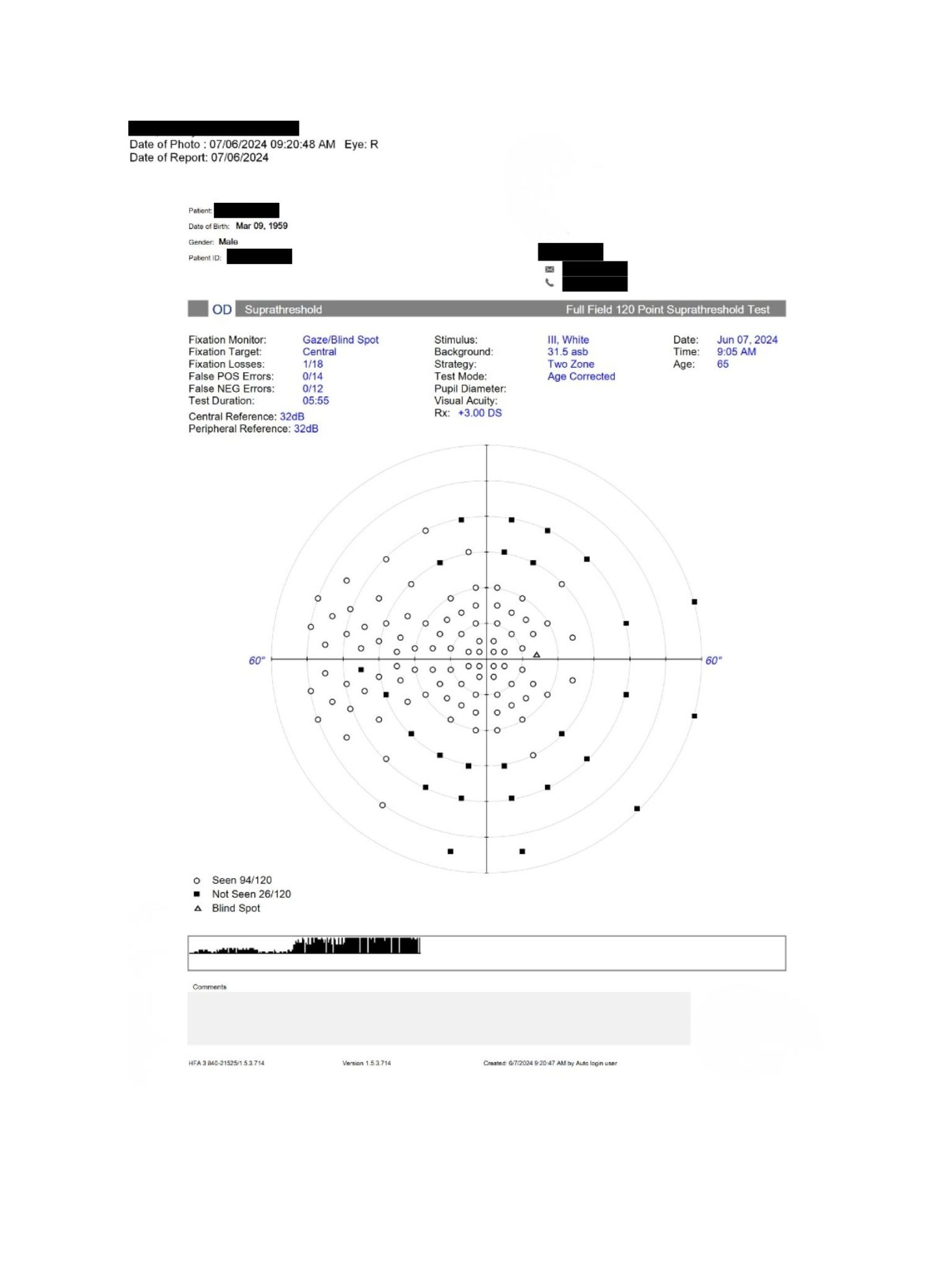
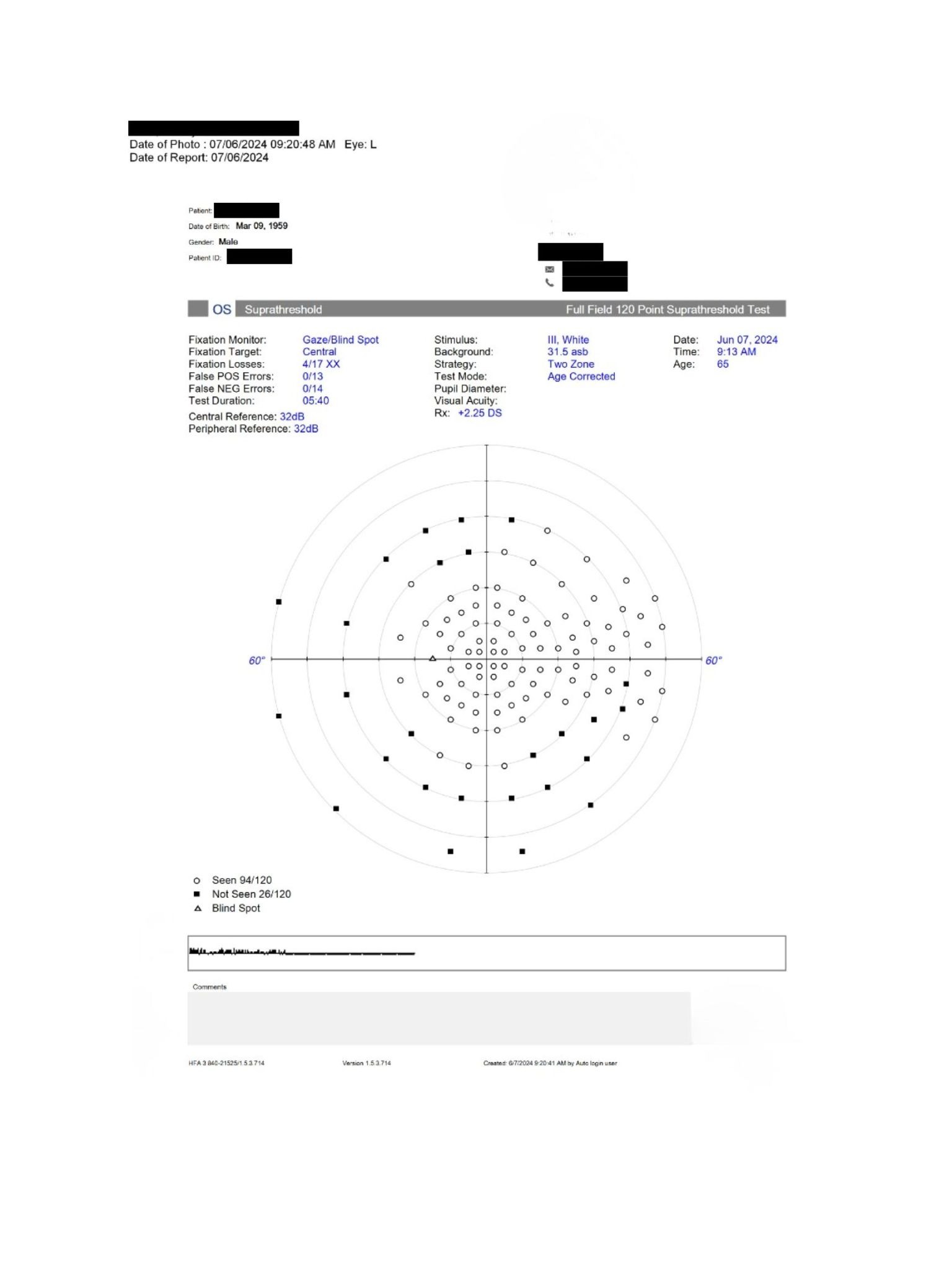
I asked about night vision, and he reported no difficulty. Although his visual field showed defects, he remained confident that he had no vision problems and simply wanted a new pair of glasses.
Because I was new to the patient and wanted to build his trust, I explained the findings and recommended an in-person retinal consultation. He declined, believing there was nothing wrong. I then offered to upload the case to Care1 so we could obtain a specialist opinion without requiring him to travel.
The Care1 consultation confirmed the concern and recommended retinal specialist assessment and genetic investigation. When I shared the specialist's feedback with the patient, his perspective changed. He began asking why this had never been brought to his attention before and what the findings could mean for his future and his family.
A Diagnosis With Family Implications
The conversation did not end with the patient.
The ophthalmology recommendation included investigating the condition from a genetic perspective, not only for the patient's prognosis but also for his children and grandchildren. After discussing the findings with his family, the patient learned that one of his sons had similar findings and was also being investigated.
For me, this was one of the most meaningful aspects of the case. What initially appeared to be an asymptomatic retinal finding became an opportunity to investigate a potential hereditary condition within the family and provide information that could be important for future generations.
The Case
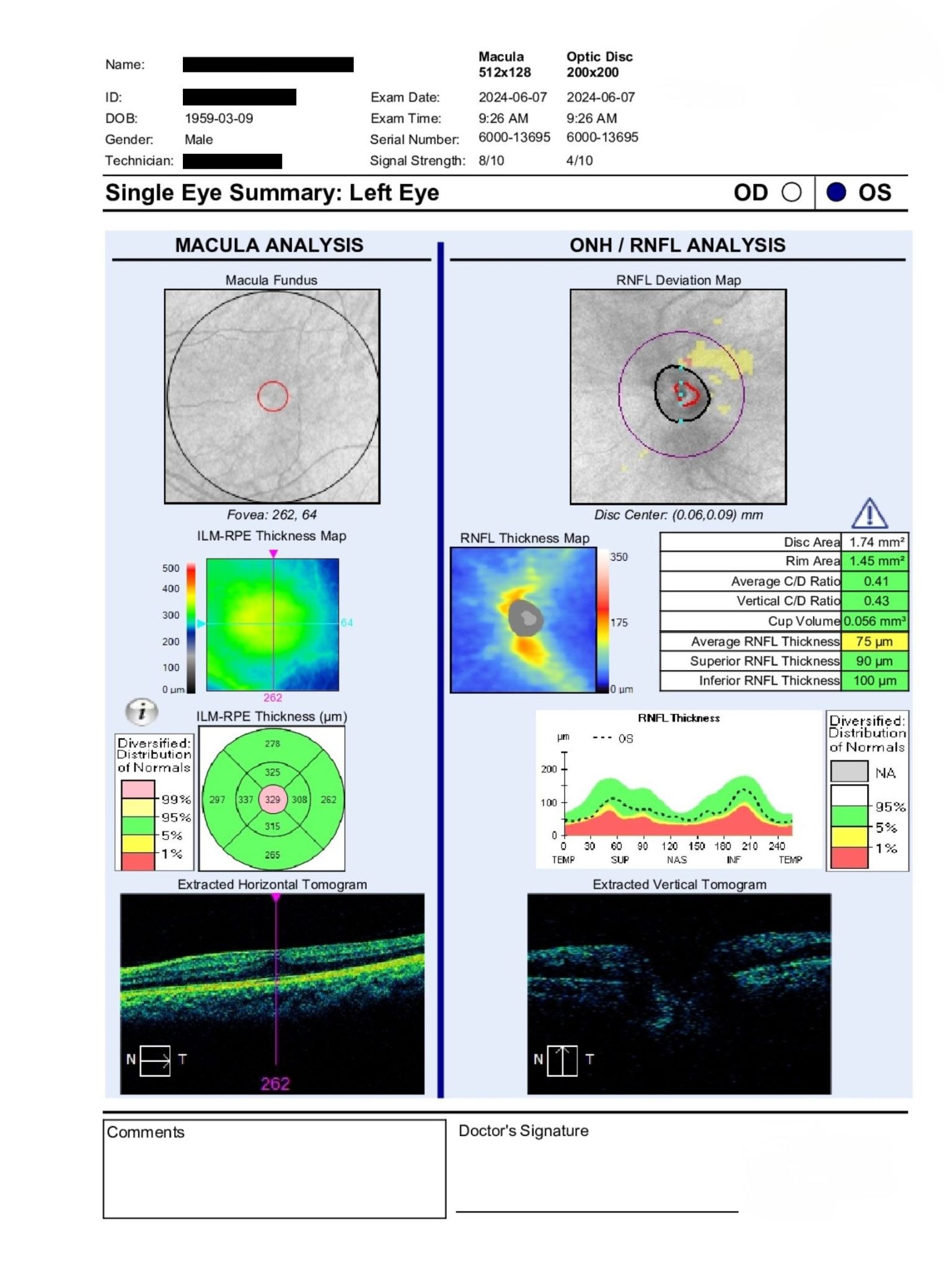
A 67-year-old man presented without significant visual complaints. Best corrected visual acuity was 20/30 OD and 20/40 OS, with IOPs of 11 and 10 mmHg. Anterior segment findings were largely unremarkable. Dilated fundus examination revealed bilateral peripheral bone spicule pigmentation with visual field defects, raising concern for an underlying hereditary retinal condition.
Rather than requiring the patient to travel for an immediate in-person consultation, I uploaded the case to Care1 for a virtual retinal assessment.
What did the specialist consultation reveal, and what could these findings mean for the patient and his family?
A retina specialist provided a virtual consult within 1-2 weeks through Care1. Scroll below to see their diagnosis.
Care1 Ophthalmologist's Teleconsult
The retinal findings were concerning for a hereditary retinal disease. Further investigation, including retinal specialist assessment, genetic testing, and evaluation of the patient's prognosis and family history, was recommended.
The specialist's opinion gave me the confirmation I needed to explain the significance of the findings to my patient. Although he had no subjective difficulty with his vision, the consultation helped demonstrate why further investigation was warranted.
The genetic component was particularly important. Understanding whether the condition was hereditary could help inform the patient's prognosis and considerations for his children and grandchildren.
Care1 AI's Clinical Insight
Inherited retinal diseases are a diverse group of disorders that can present with peripheral retinal pigmentary changes, progressive visual field loss, and impaired night vision. Diagnosis commonly combines clinical examination, retinal imaging, visual field testing, electrophysiology, and genetic testing to identify the underlying condition and support counselling for patients and families.
Unlock your full revenue potential
✔ Specialist consults within 1-2 weeks ✔ AI-powered clinical support ✔ Greater confidence in complex decision making
Modern genetic testing can identify the causative gene in a substantial proportion of inherited retinal disease cases, improving diagnostic accuracy and allowing patients to access emerging gene-specific clinical trials and therapies.
Reference: Stone EM, Andorf JL, Whitmore SS, et al. Clinically Focused Molecular Investigation of 1000 Consecutive Families with Inherited Retinal Disease. Ophthalmology. 2017;124(9):1314-1331. doi:10.1016/j.ophtha.2017.04.008.
Why This Case Matters
This case reminded me that a patient can have significant retinal findings without recognizing any change in their everyday vision.
The Care1 consultation gave me direct access to a retinal specialist's perspective, helping me communicate the significance of the findings to a patient who was initially reluctant to pursue further assessment.
Most importantly, the case demonstrated how identifying a potential hereditary retinal condition can extend beyond the individual patient. Once the genetic implications were discussed, the patient spoke with his family and one of his sons began undergoing investigation for similar findings.
For me, that is what makes this case unique. Care1 did not simply help me decide what to do with an unusual retinal finding. It helped start a conversation that could have implications for an entire family and future generations.
Clinical Pearls
Peripheral bone spicules warrant retinal investigation.