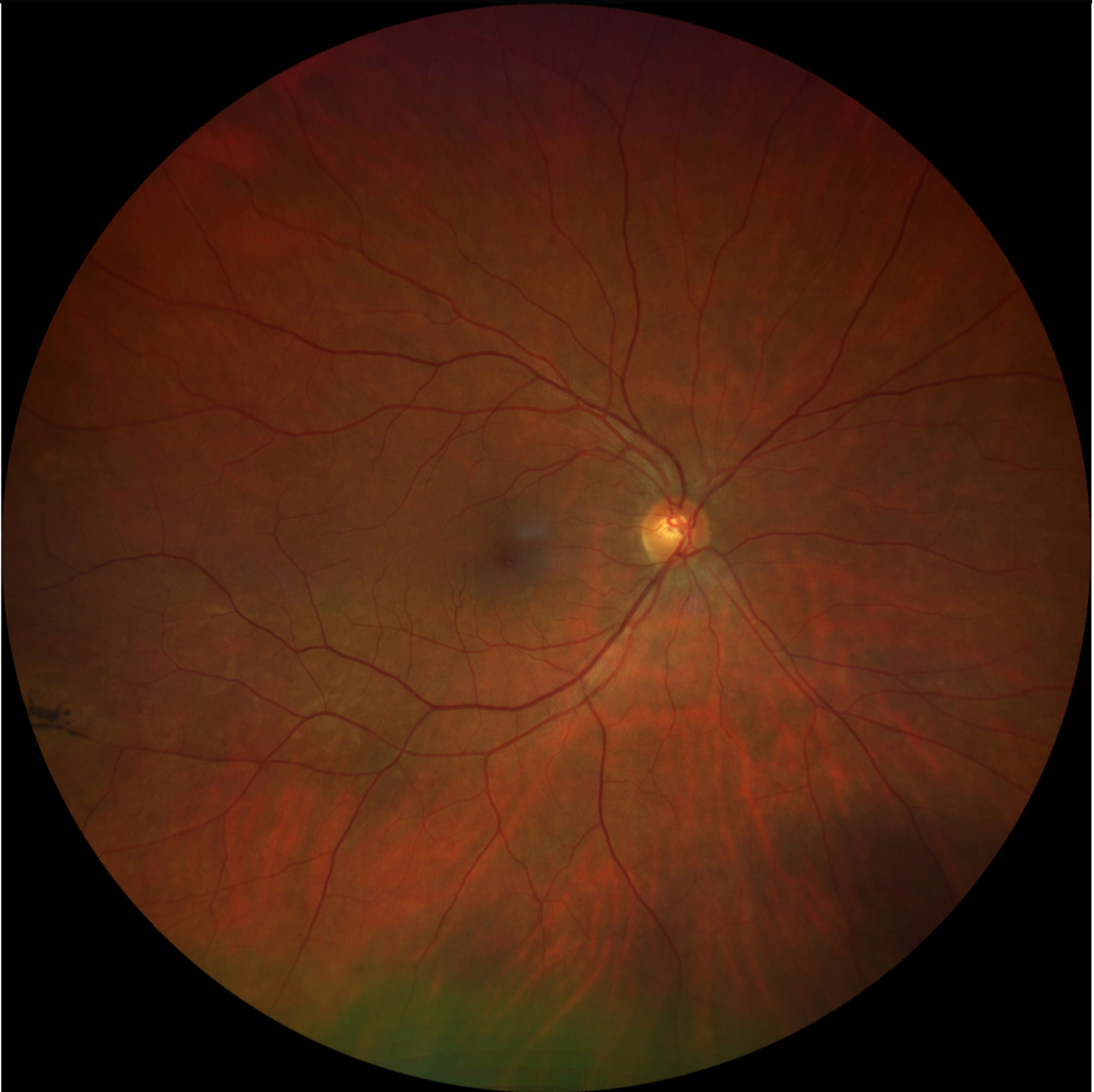
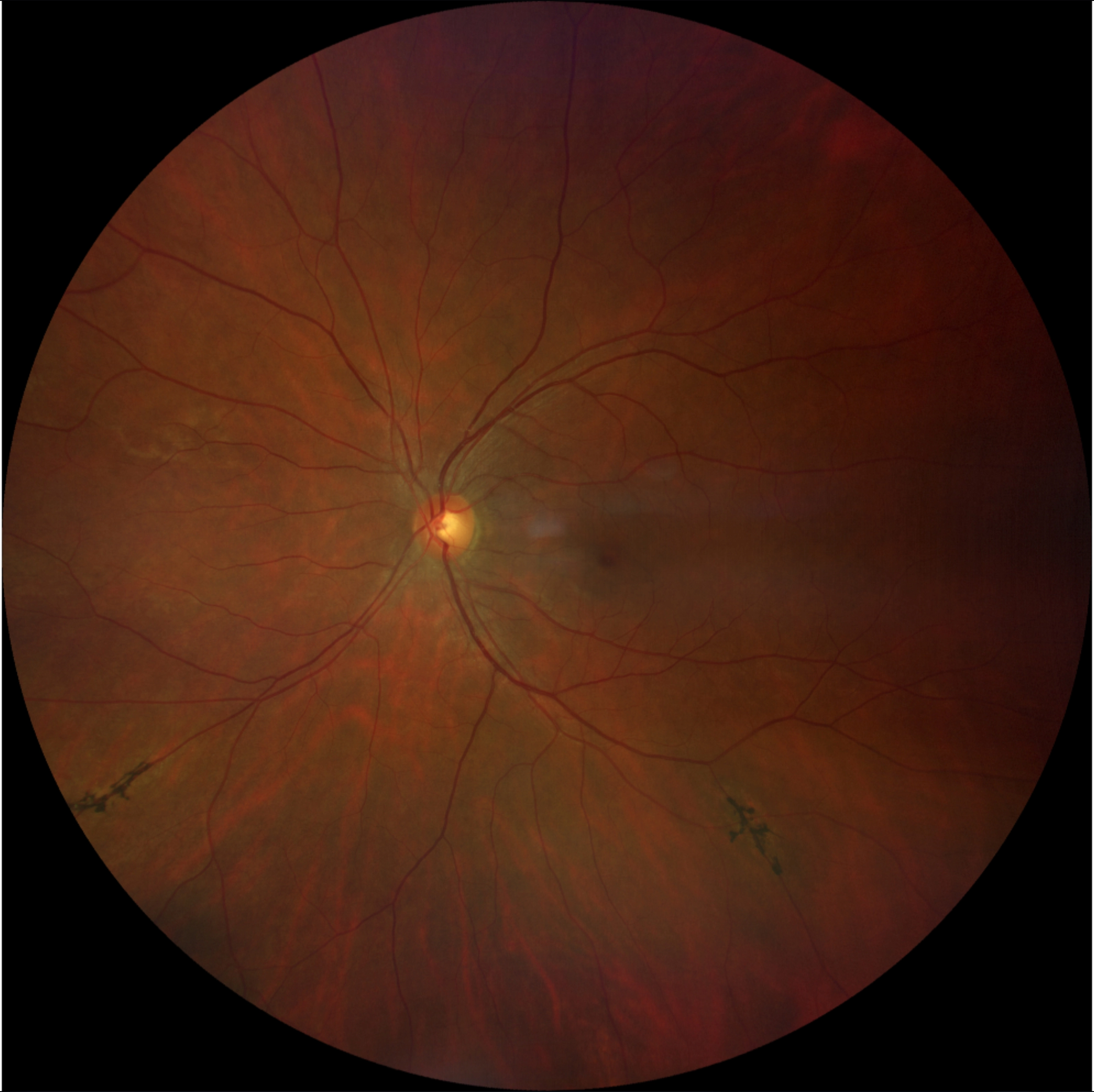
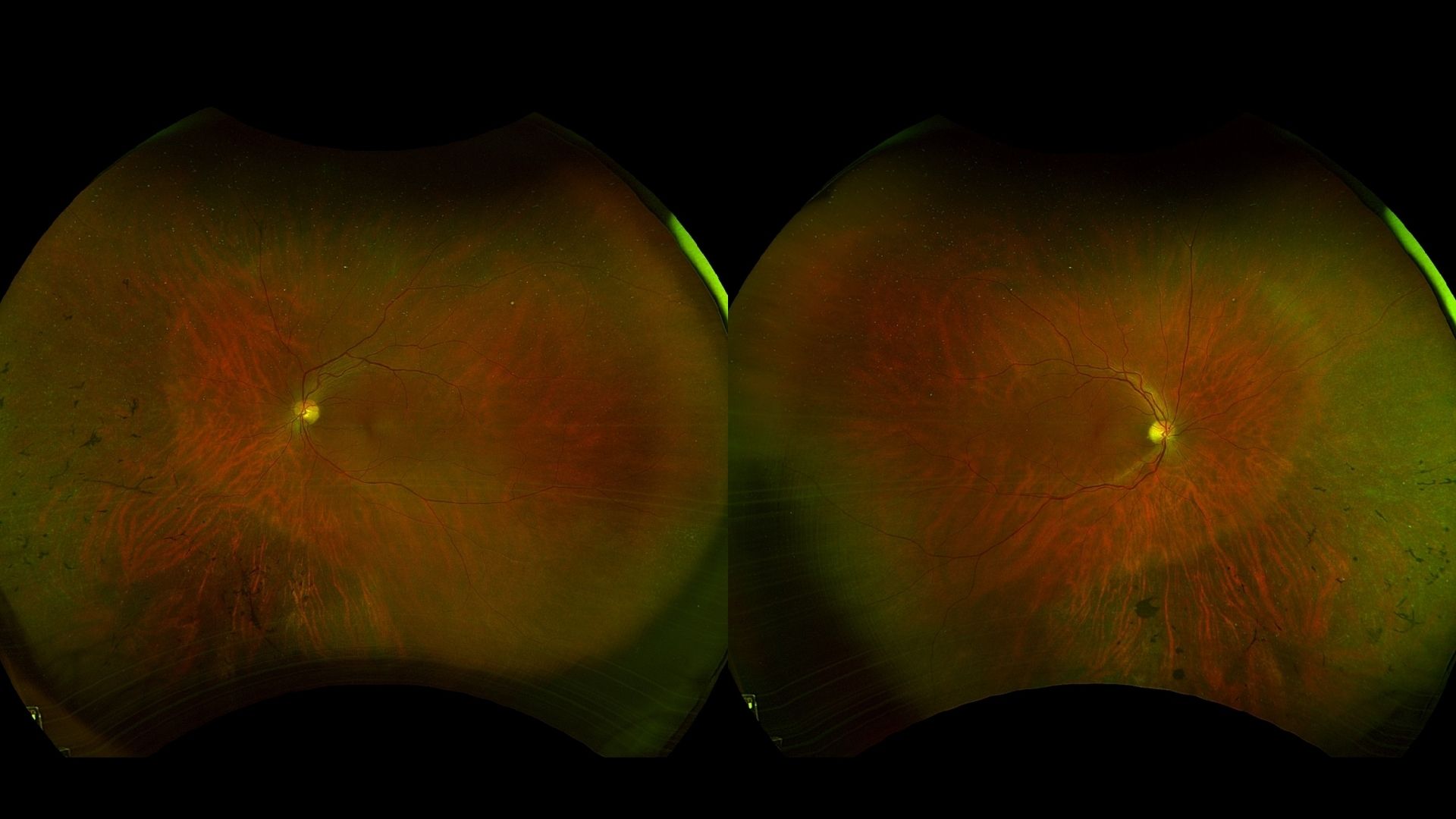
Clinical review of rare Pigmented Paravenous Retinochoroidal Atrophy, focusing on characteristic venous-linked pigment and retinal thinning.
Case Study: Pigmented Paravenous Retinochoroidal Atrophy (PPRCA)
An optometrist uploaded this case to Care1.
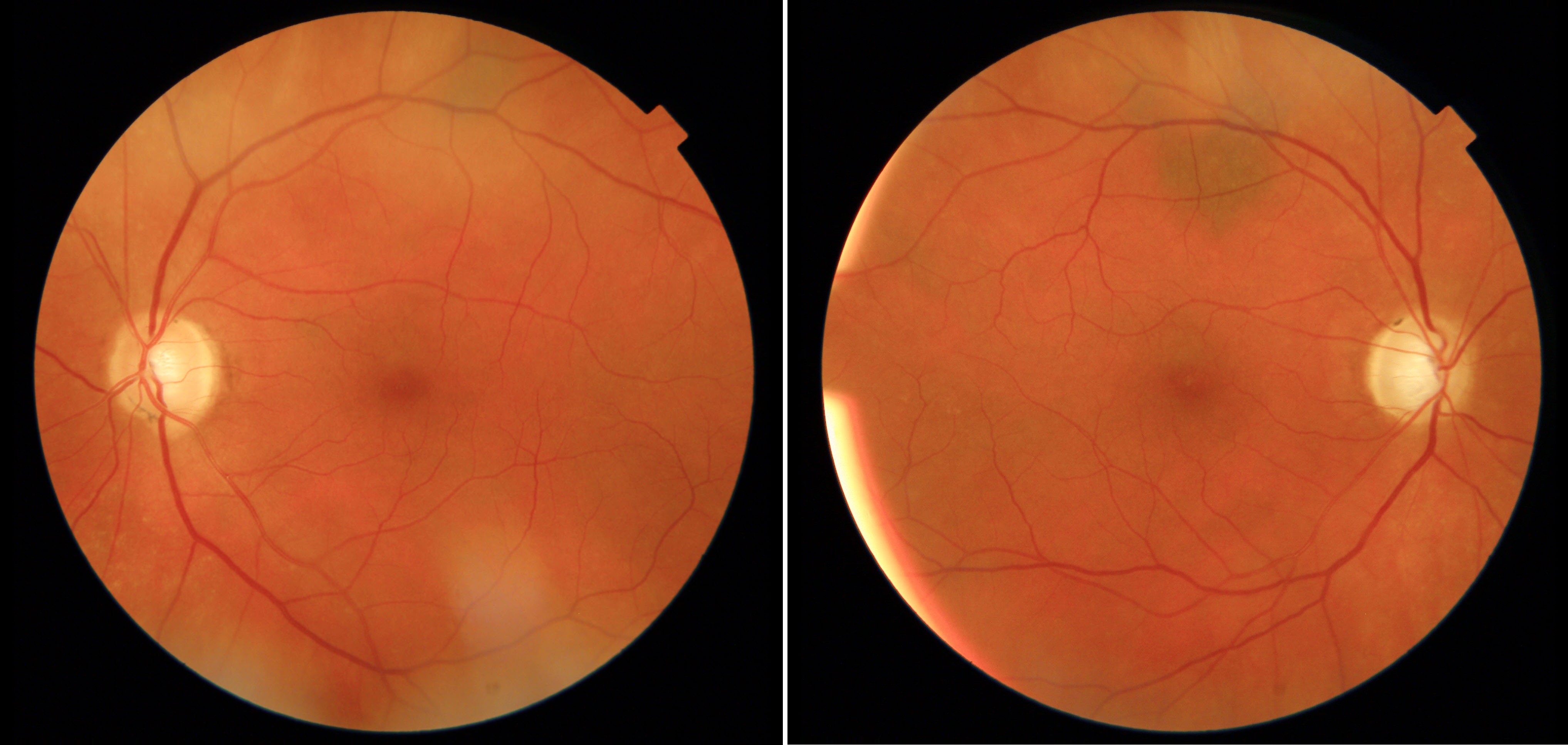
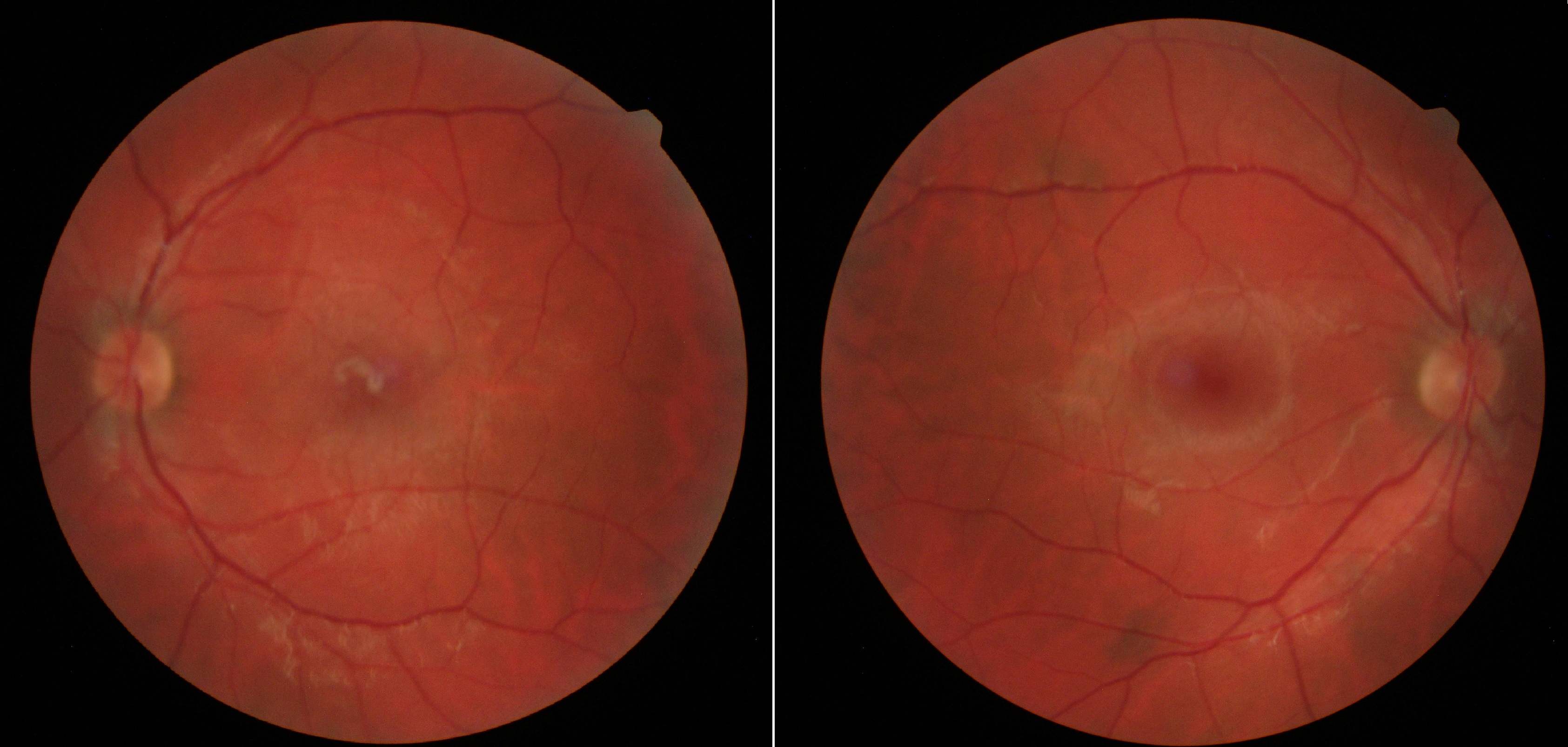
A patient was referred after new retinal pigmentary changes were noted in both eyes (OU) during a routine exam. Their last eye exam was in 2022, with a clear fundus reported. There is no known family history of ocular disease.
An ophthalmology subspecialist provided a virtual consult within 1-2 weeks through Care1. Scroll below to see their diagnosis.
Care1 Retina Surgeon’s Clinical Insight
This patient was diagnosed with pigmented paravenous retinochoroidal atrophy (PPRCA), a rare retinal condition with an unknown etiology. Although various inflammatory and infectious causes have been proposed in the literature, none have been definitively linked to PPRCA. The condition is typically slowly progressive, and in cases where the macula is not involved, the impact on visual acuity is minimal. At this time, no active intervention is required. Continued observation is recommended, and the patient should follow up with their optometrist as scheduled. The Care1 ophthalmologist will remain involved by reviewing future diagnostic imaging and clinical updates through the platform.
Care1 AI’s Clinical Insight
Pigmented paravenous retinochoroidal atrophy (PPRCA) is a rare, typically bilateral condition characterized by pigment accumulation and atrophy along the retinal veins. Its cause is unknown, though an inflammatory or infectious insult has been suggested. The disease usually follows a non-progressive course and is often found incidentally. Histopathologic features include retinal pigment epithelium and choroidal atrophy with preservation of Bruch’s membrane.
Did You Know?
Pigmented paravenous retinochoroidal atrophy (PPRCA) typically shows minimal progression and preserved vision, with its perivenular distribution helping to distinguish it from other pigmentary retinal dystrophies.