33-year-old with prior eye trauma presents with stable macular findings, OCT monitoring, and preserved visual function requiring specialist review.
Case Study: Persistent Macular Changes After Trauma
An optometrist uploaded this case to Care1.
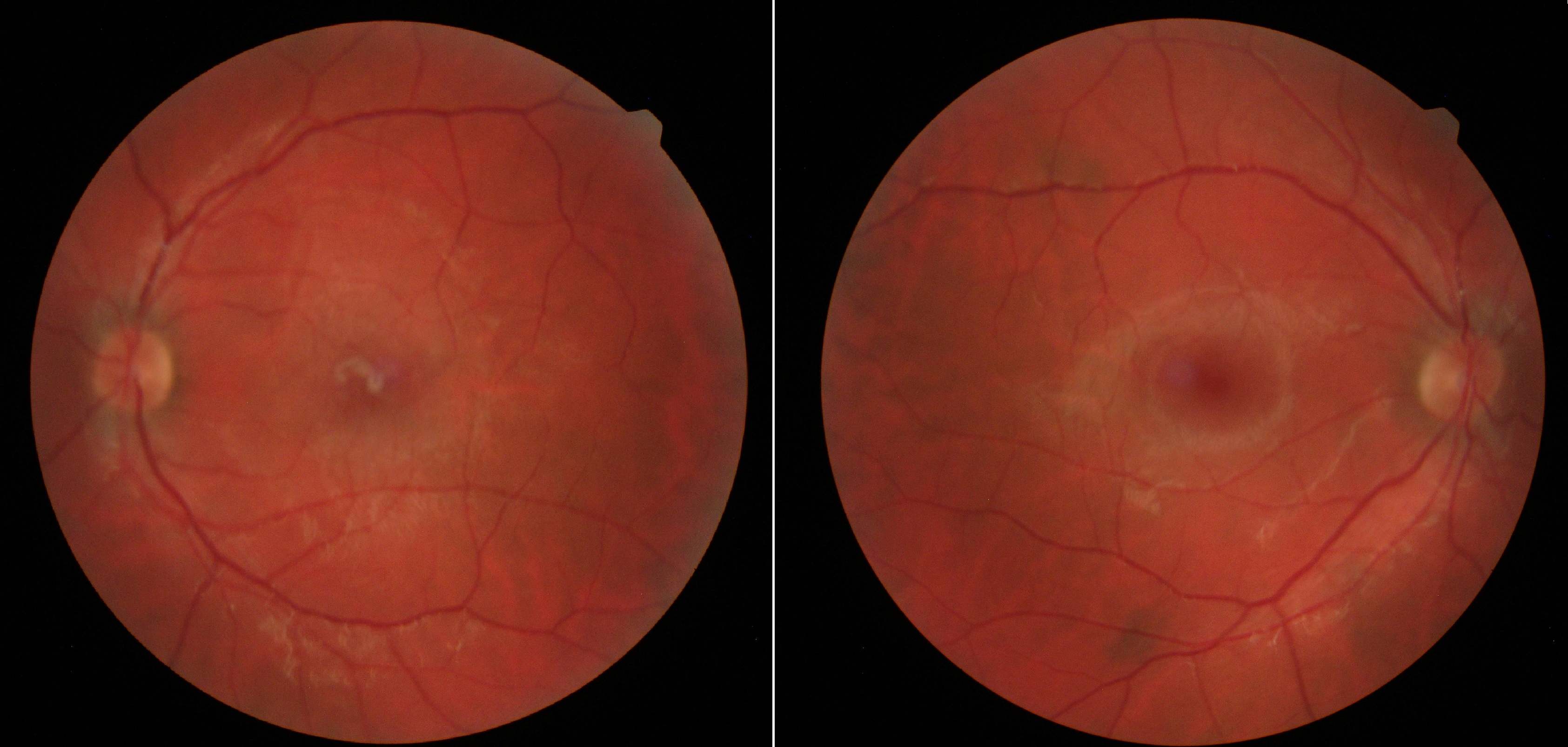
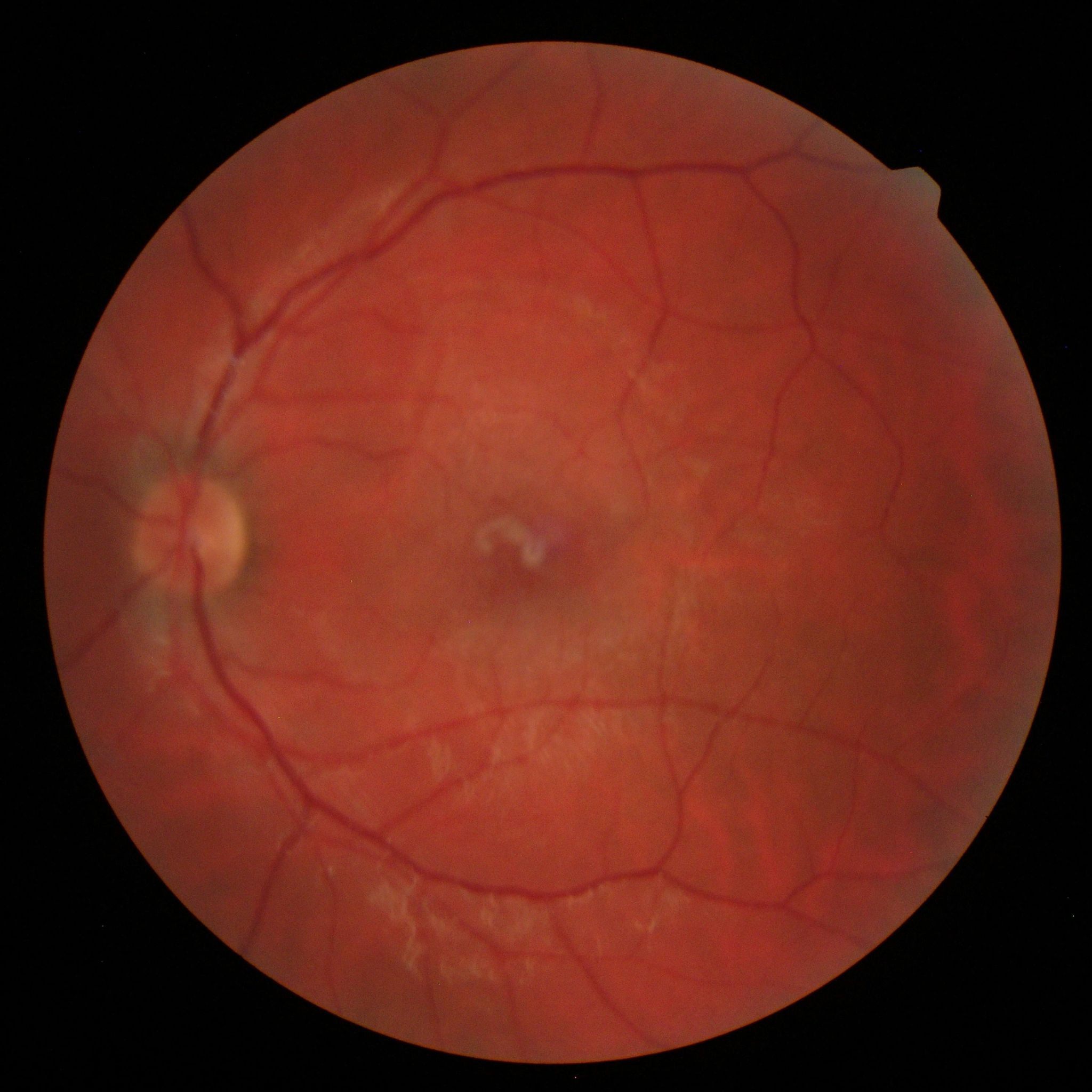
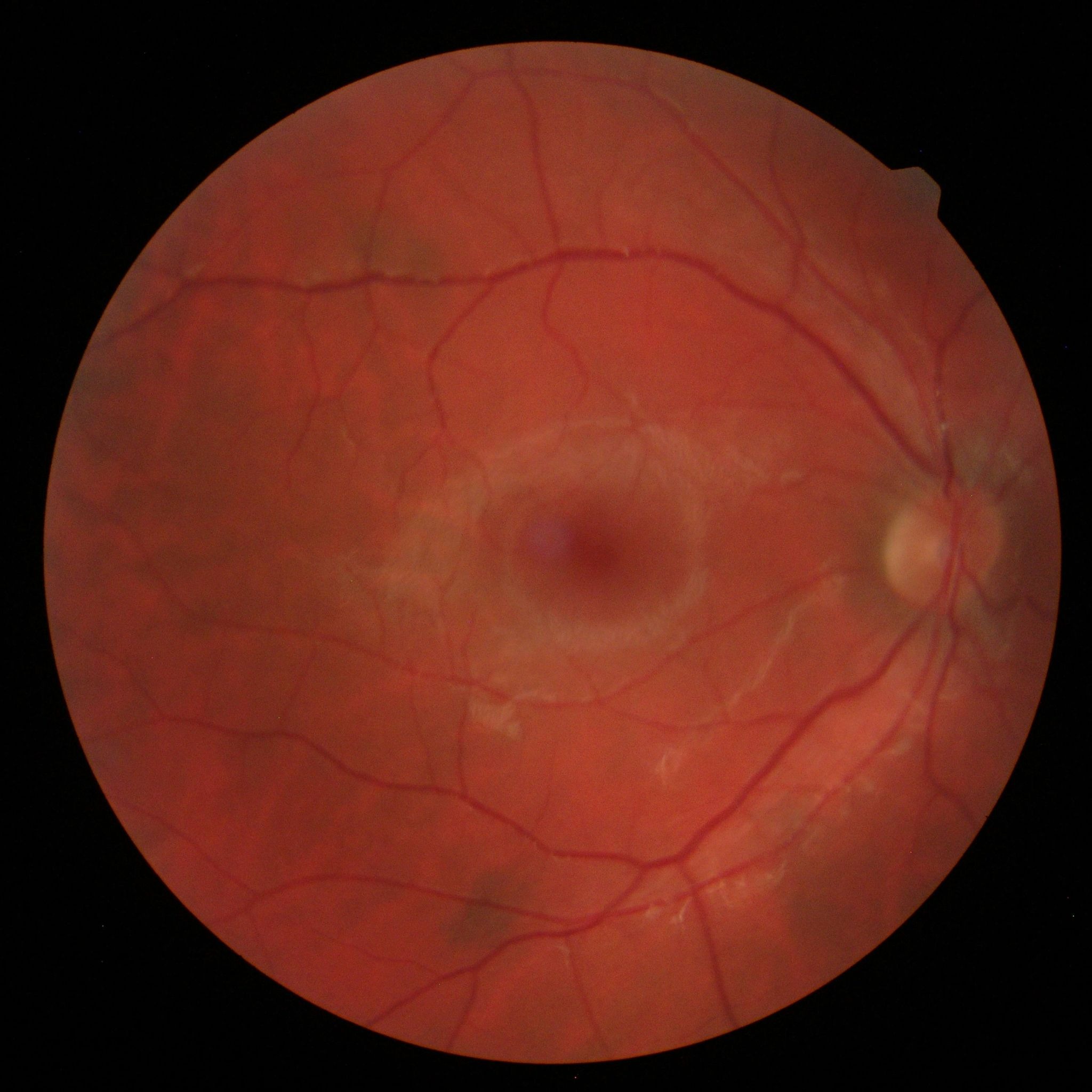
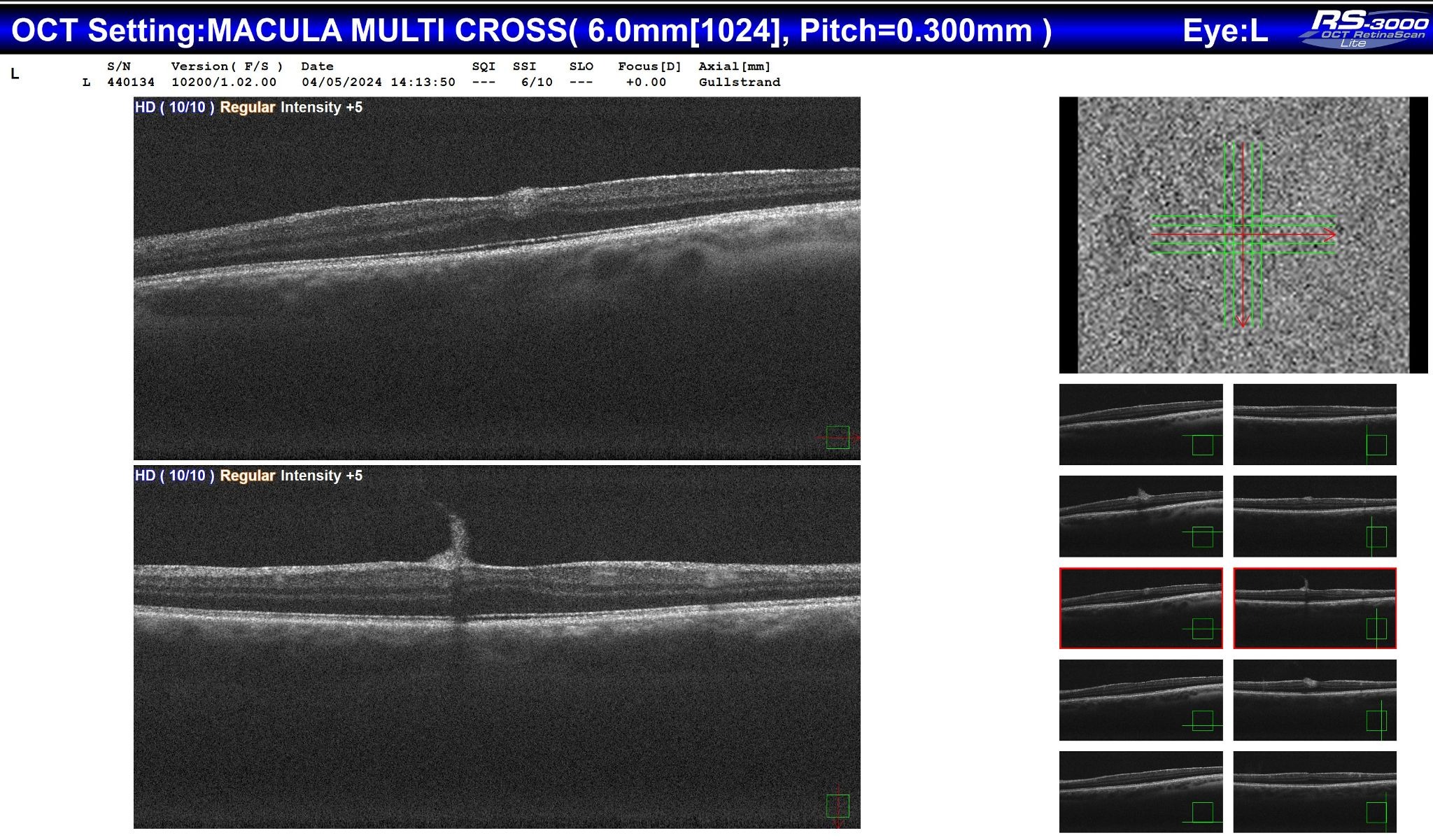
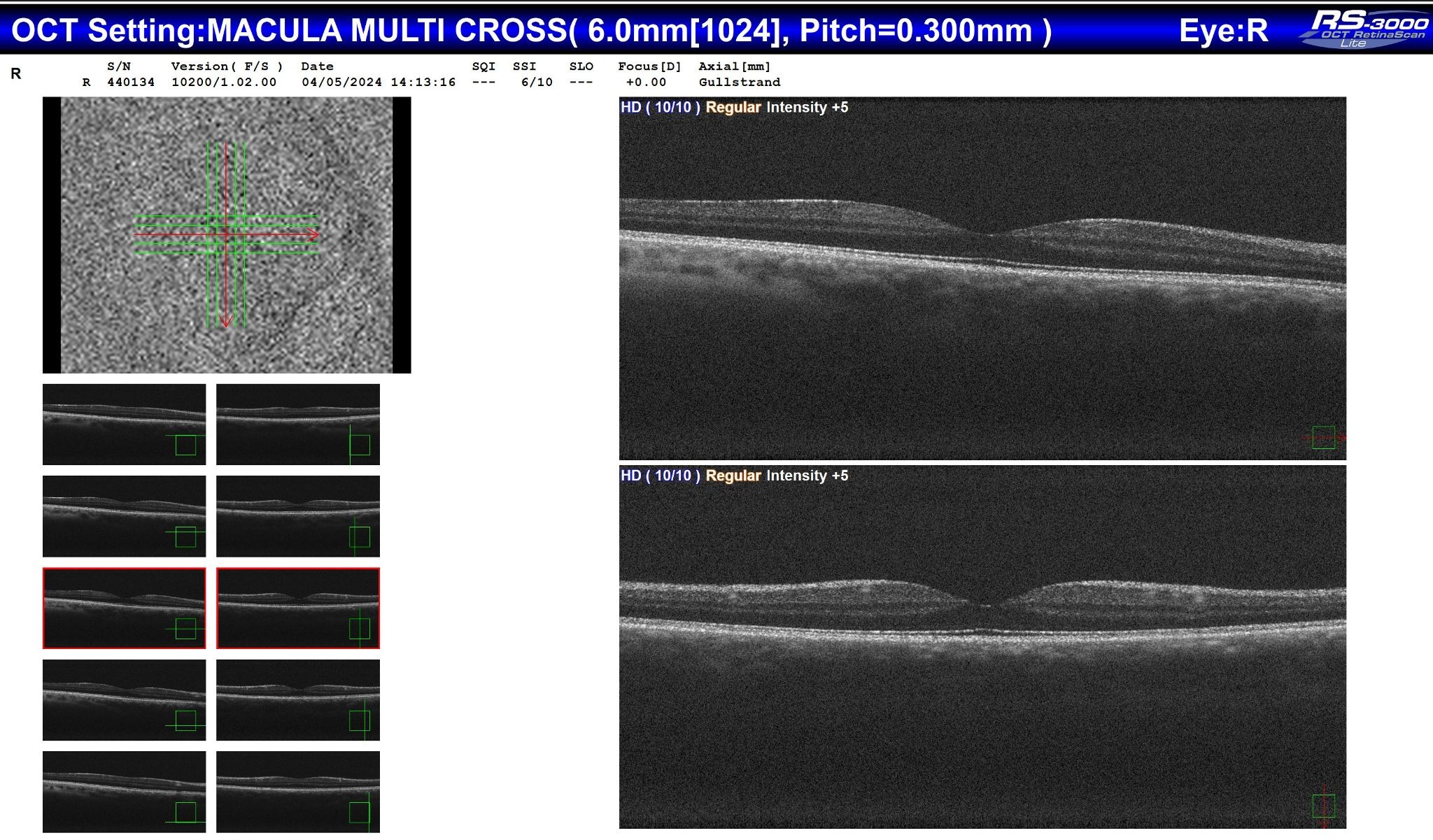
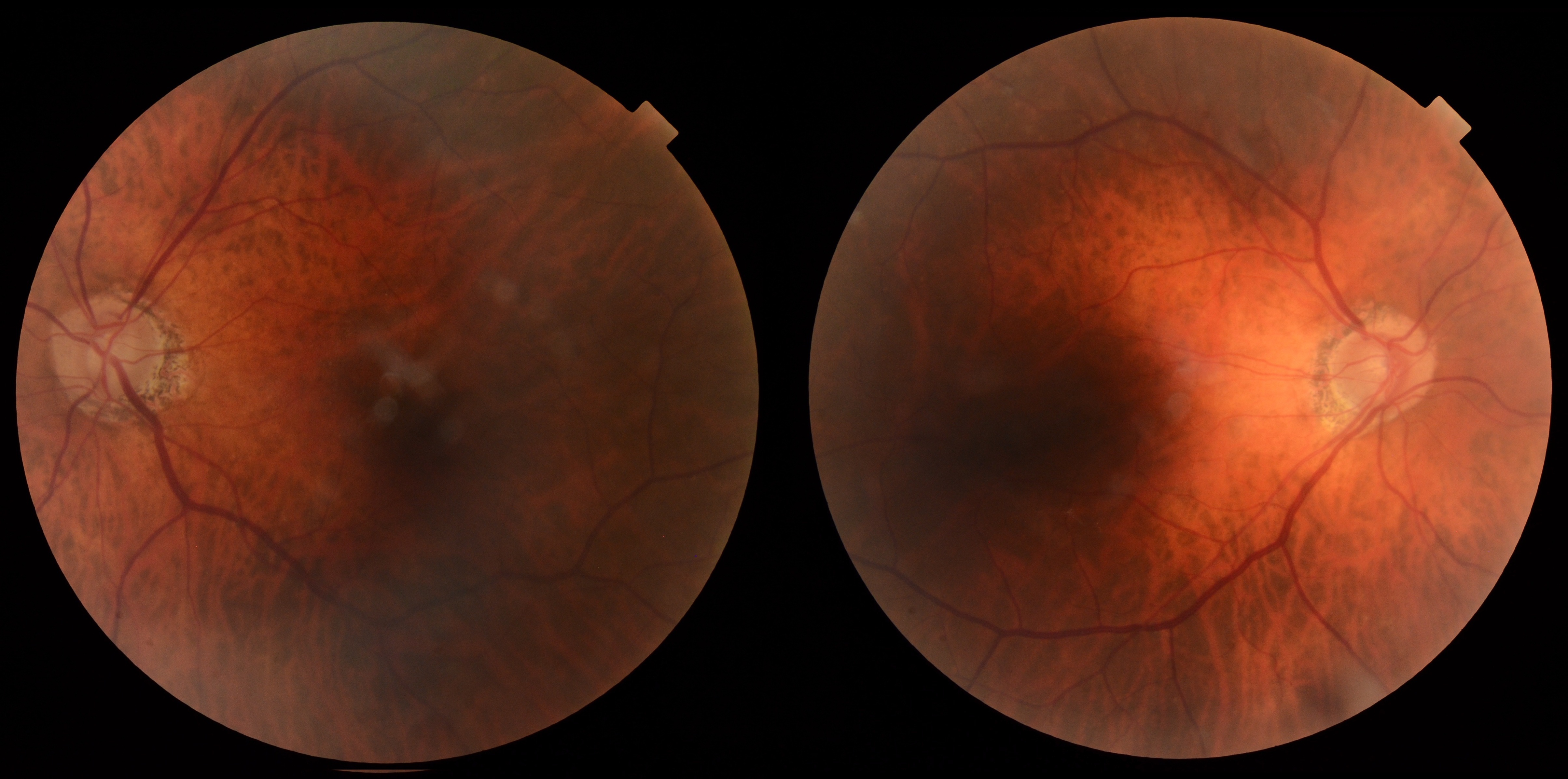
A 33-year-old male was referred for evaluation of longstanding macular changes in the left eye following childhood trauma. BCVA was 20/20 OD and 20/30 OS, with IOPs of 16 mmHg OD and 15 mmHg OS. Anterior segment examination showed clear corneas, open angles, and clear lenses OU. Posterior segment findings demonstrated stable macular changes in the left eye with normal findings in the right eye. Previous specialist assessment recommended ongoing observation.
Could these longstanding post-traumatic macular findings continue to be monitored without intervention?
A retina specialist provided a virtual consult within 1-2 weeks through Care1. Scroll below to see their diagnosis.
Care1 Ophthalmologist's Teleconsult
The patient has a history of childhood ocular trauma with previously documented macular changes in the left eye. Current examination and imaging appear stable compared with prior assessments, with preserved visual acuity and no concerning progression. Continued monitoring with routine follow-up was recommended.
Care1 AI’s Clinical Insight
Traumatic macular changes can occur after ocular injury and may result from structural alterations within the vitreomacular interface or retinal tissue. Evaluation typically involves clinical examination and multimodal imaging, including OCT, to assess stability and monitor for changes over time. Long-term follow-up may be required depending on the severity and clinical findings.
Unlock your full revenue potential
✔ Specialist consults within 1-2 weeks ✔ AI-powered clinical support ✔ Greater confidence in complex decision making
Traumatic changes affecting the vitreoretinal interface can remain stable for many years after the initial injury. Optical coherence tomography has improved detection of subtle retinal structural changes that may not be visible through clinical examination alone.
Reference: Johnson MW. Traumatic macular holes: observations, pathogenesis, and management. American Journal of Ophthalmology. 2001;132(5):630-639. doi:10.1016/S0002-9394(01)01174-3