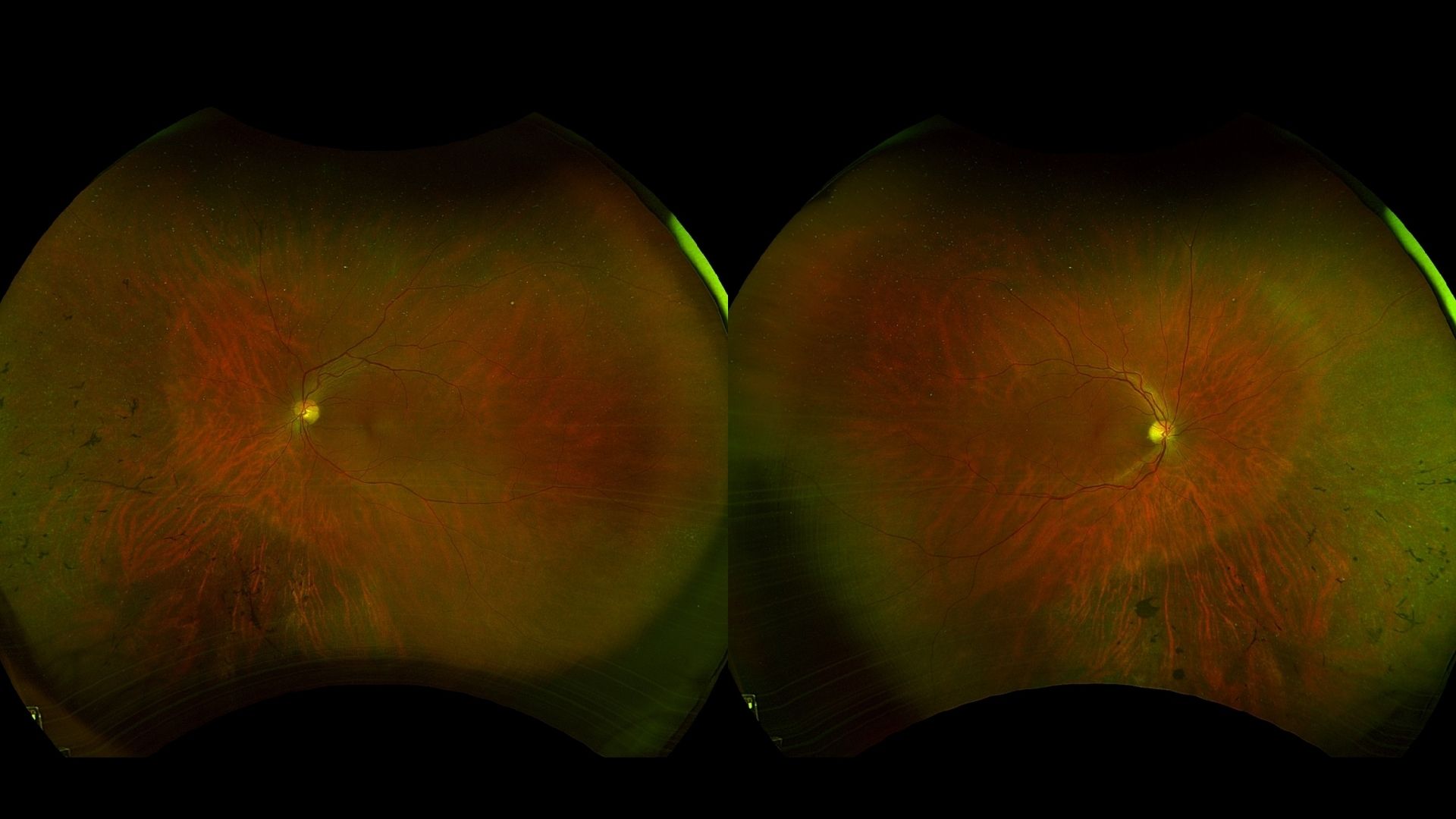
A 58-year-old with diabetes had clear retinal findings, strong vision, and imaging reviewed through Care1 for ongoing monitoring.
Case Study: Routine Diabetes Eye Screening
An optometrist uploaded this case to Care1.
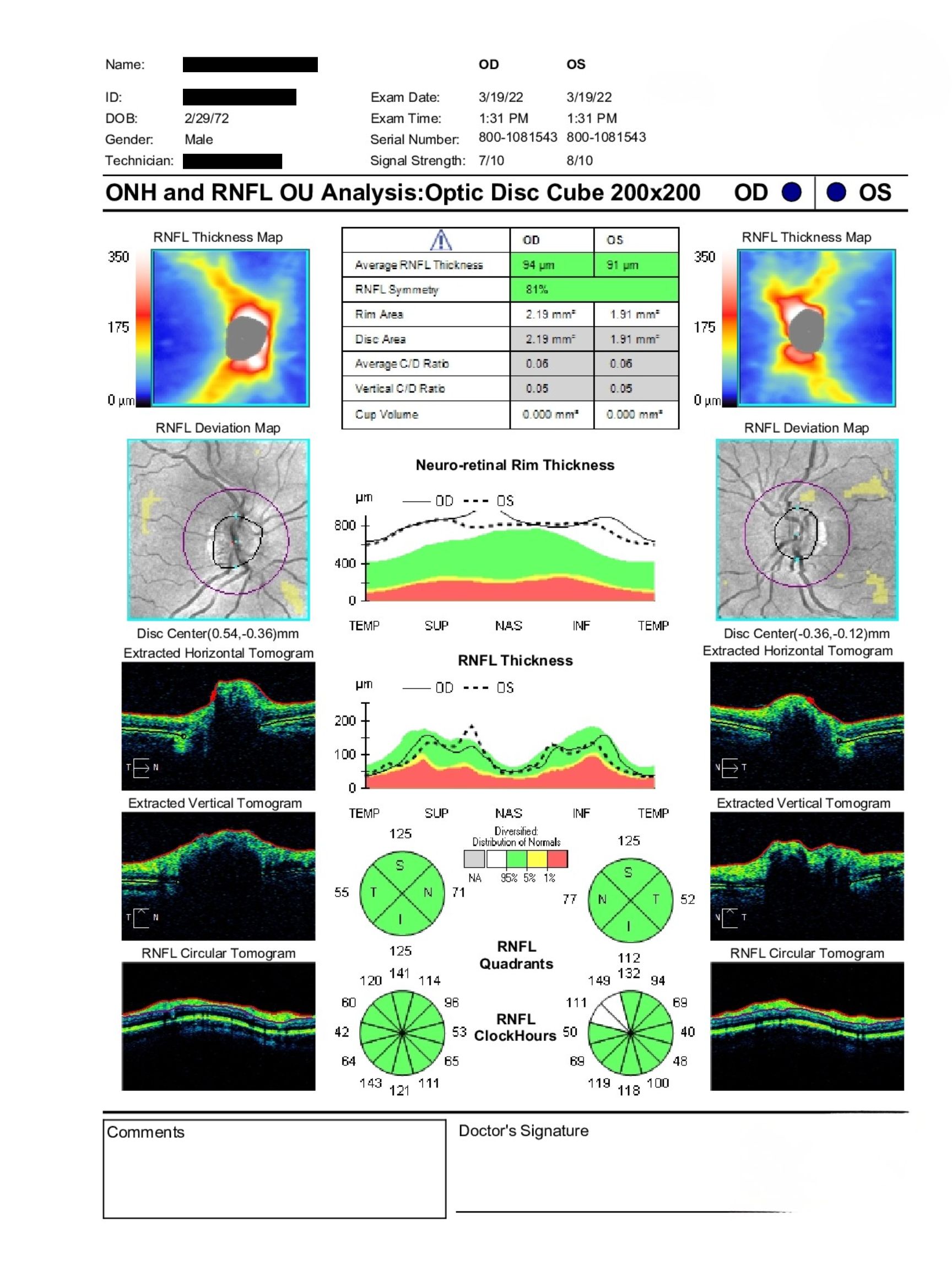
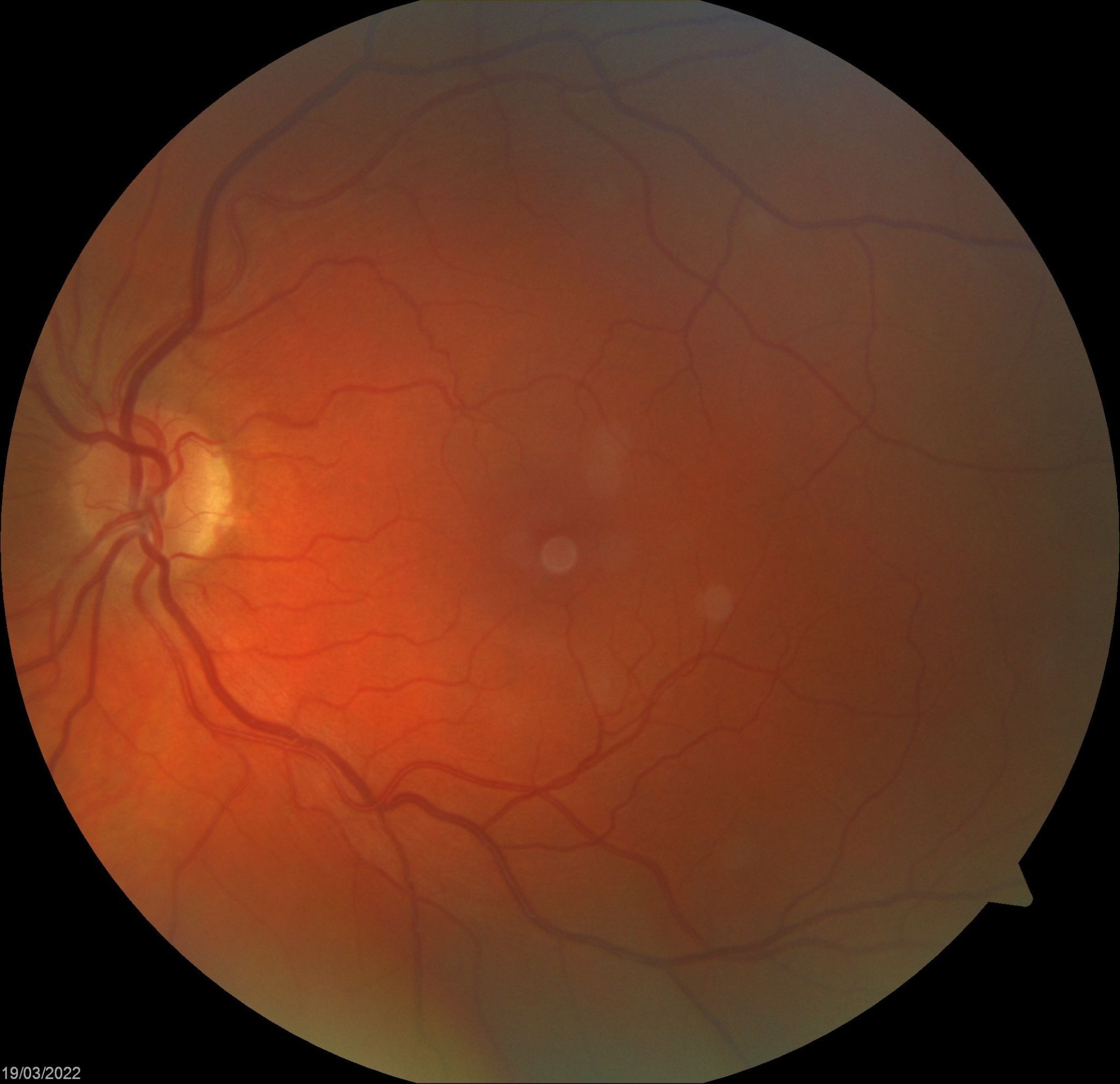
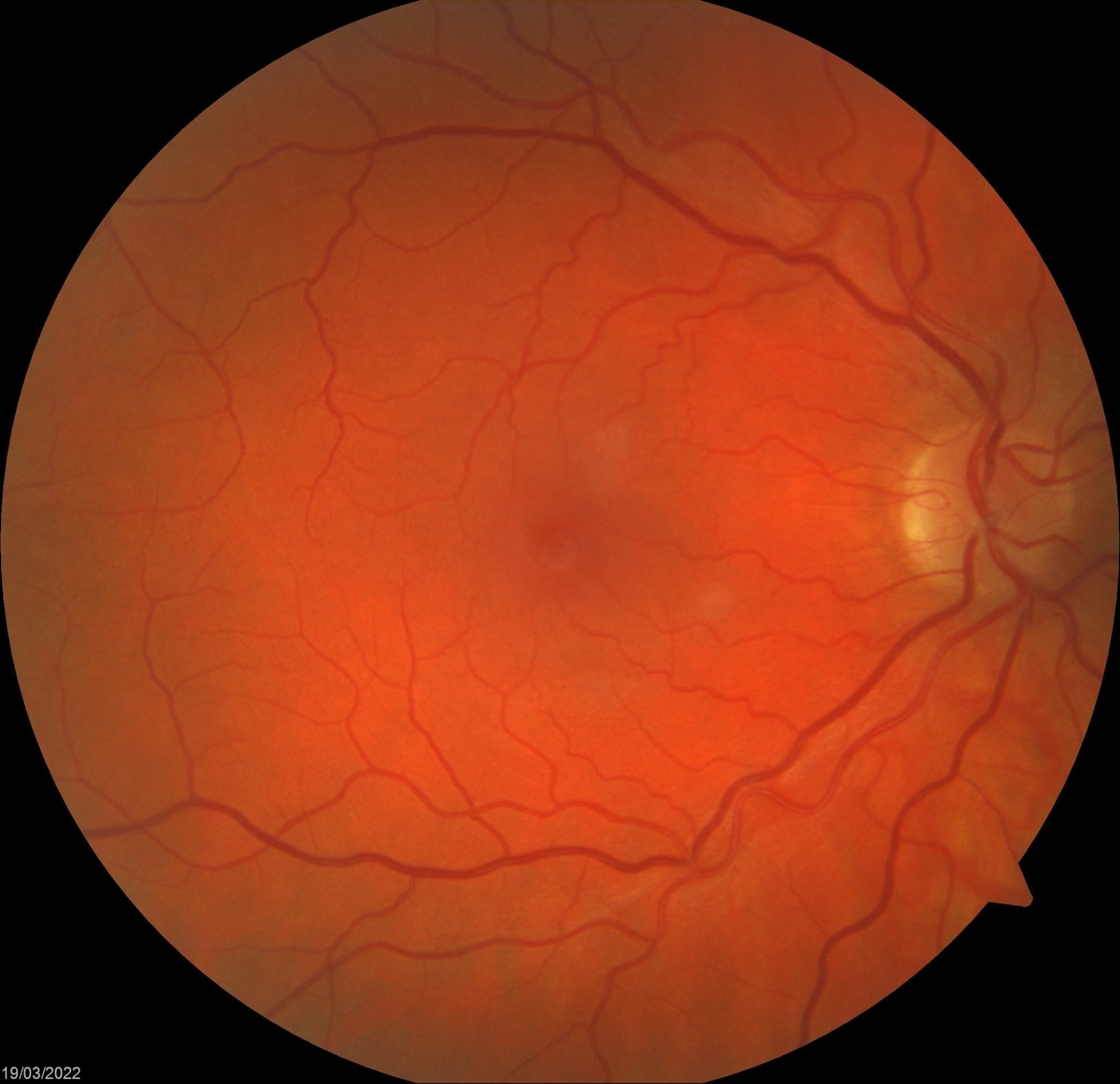
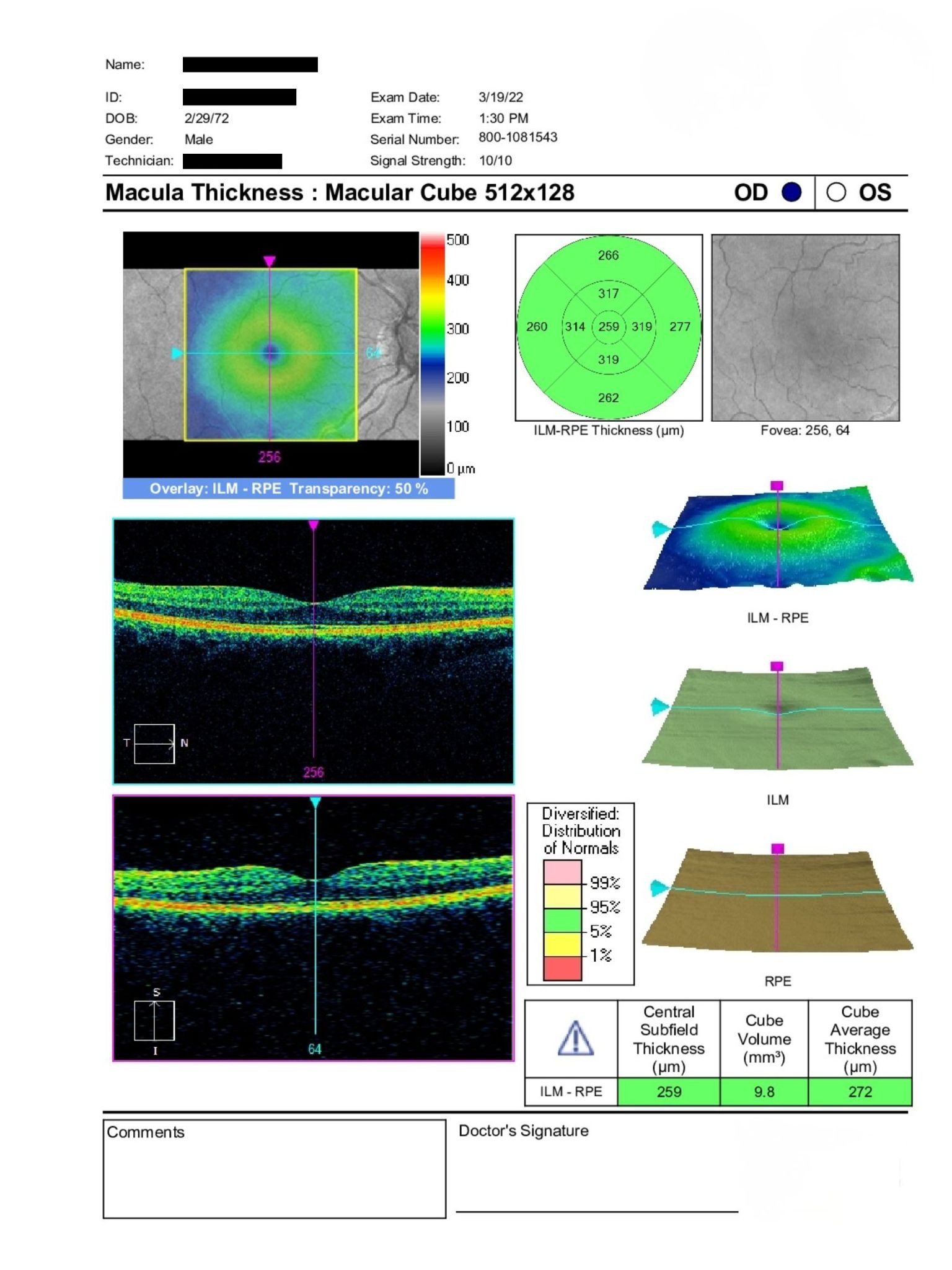
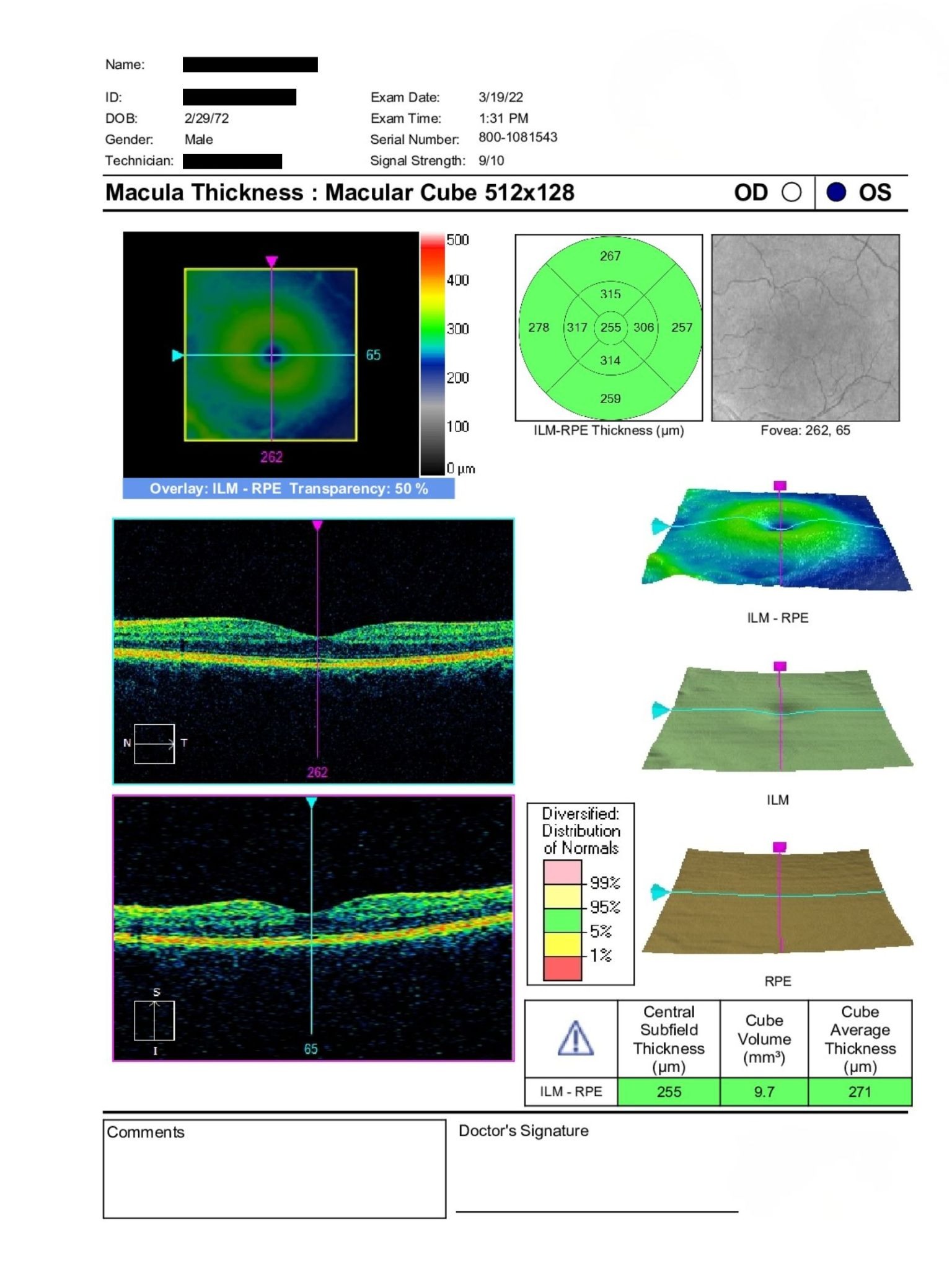
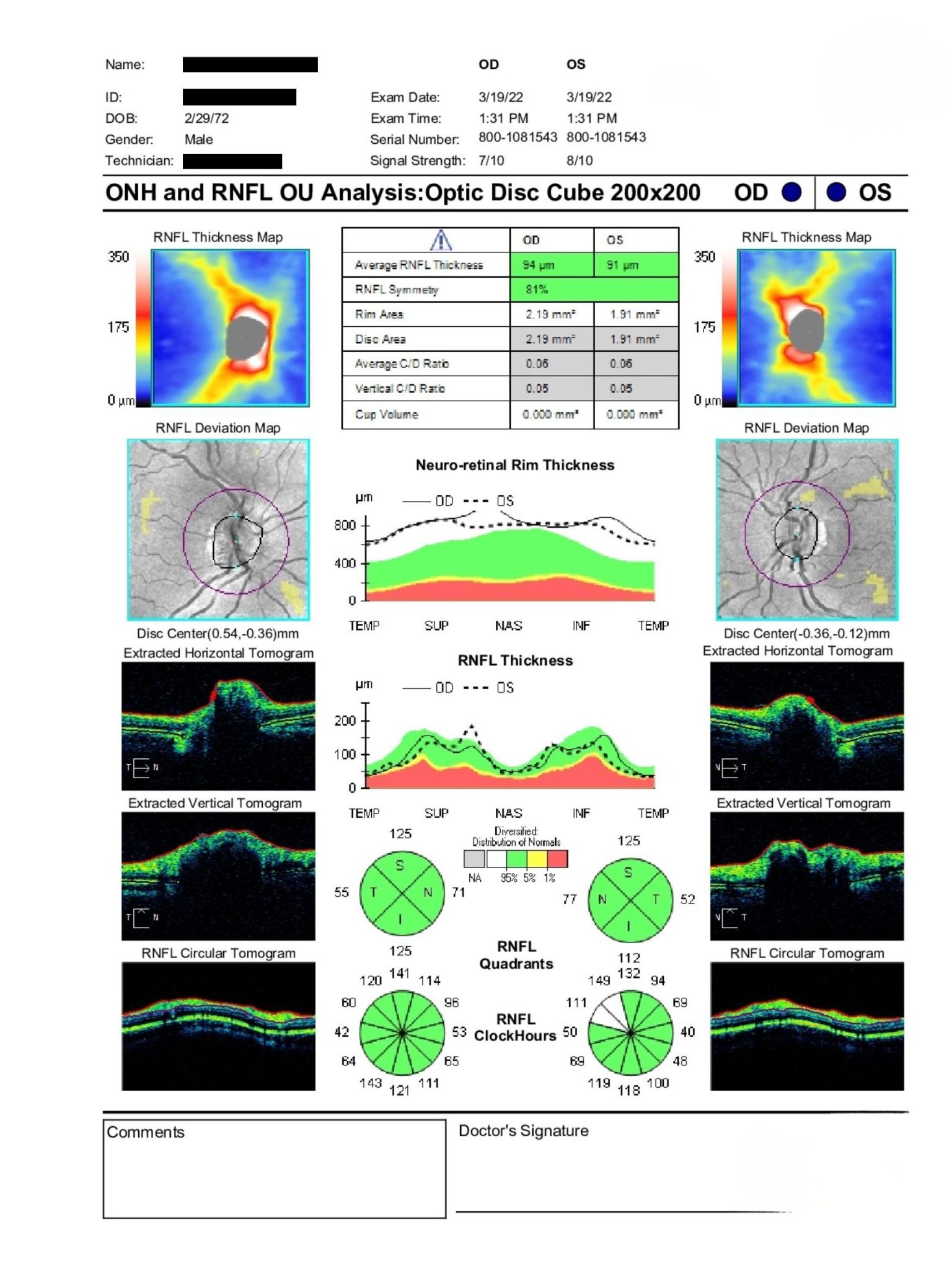
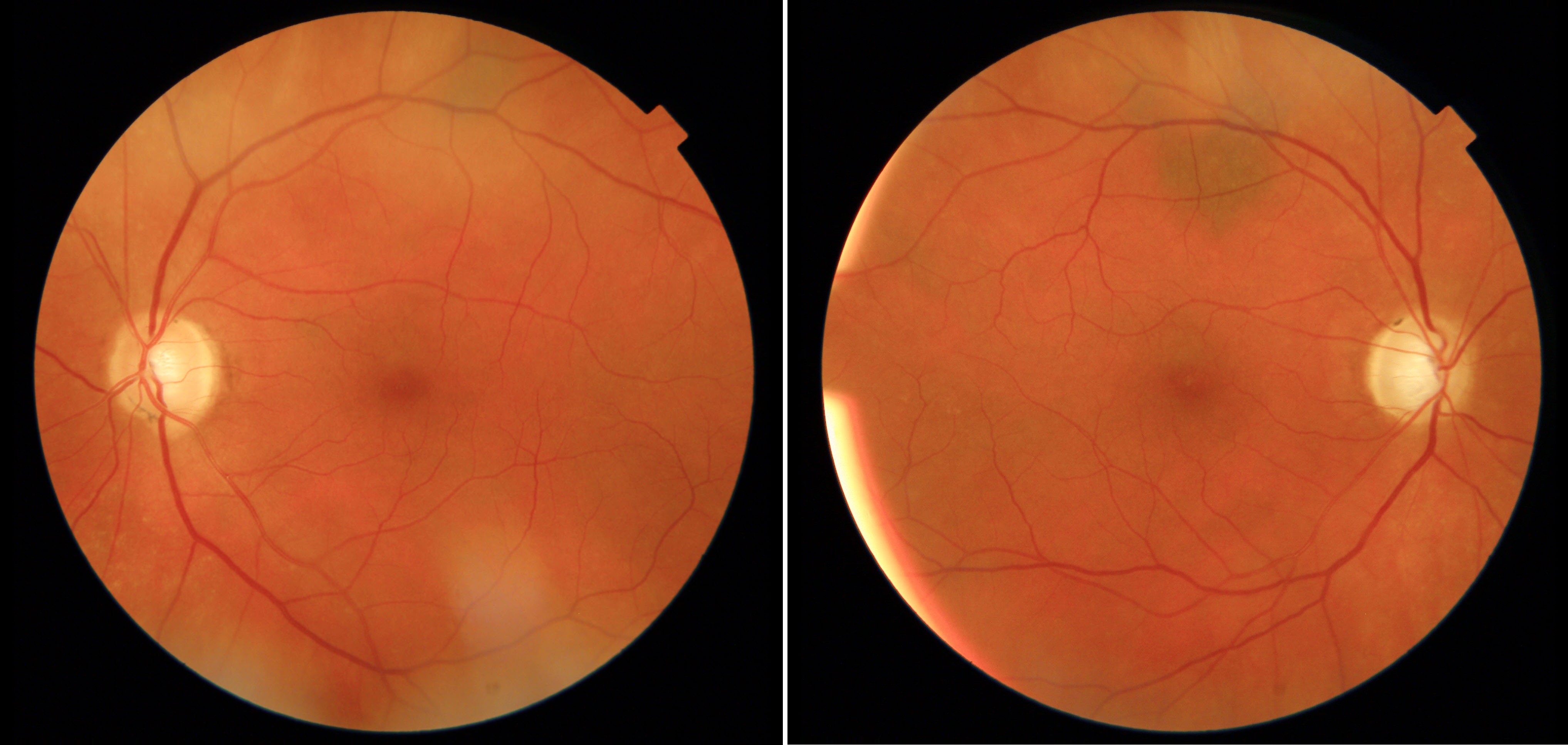
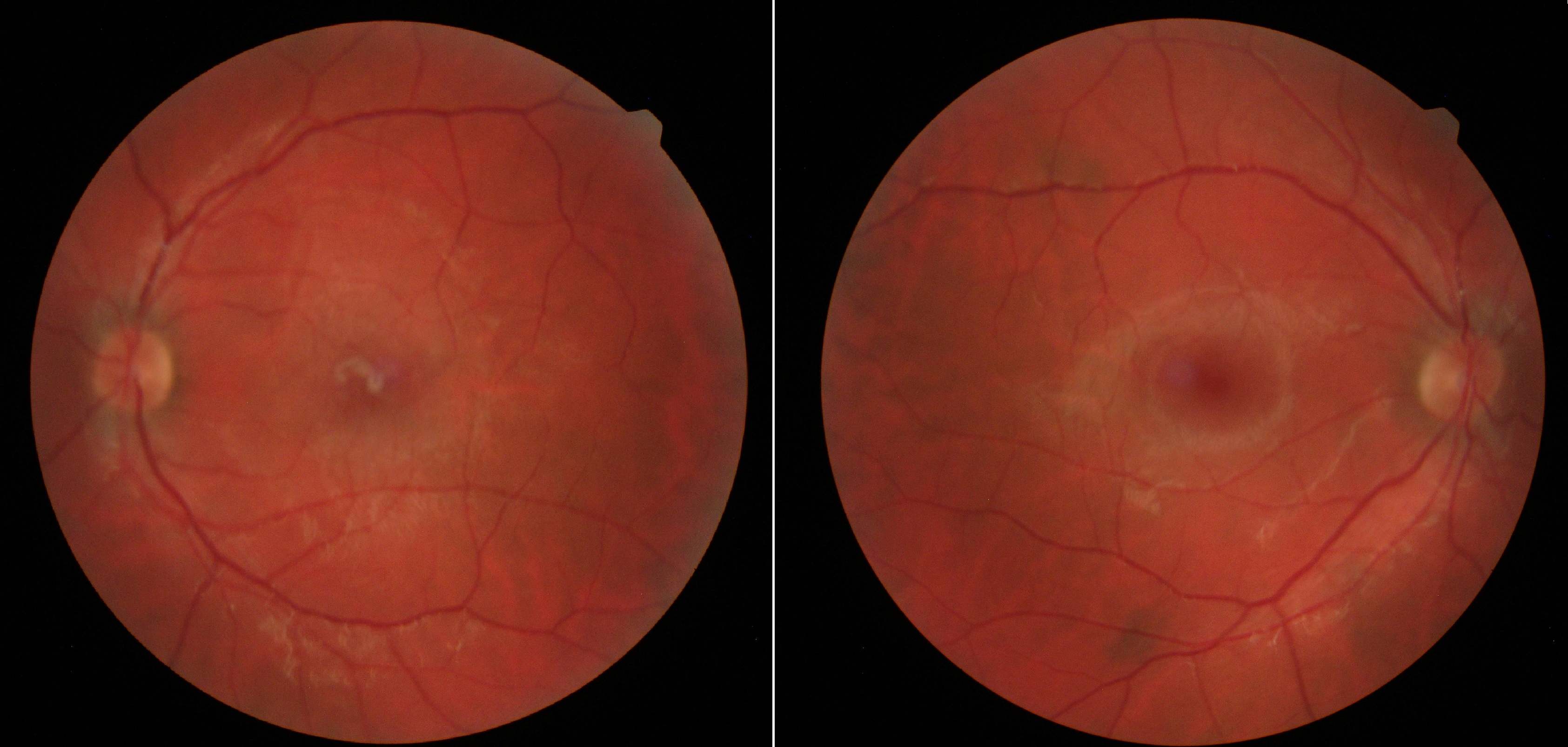
A 58-year-old patient presented for a routine eye examination to monitor for diabetes. BCVA was 20/20 OU with IOPs of 13 mmHg OD and 14 mmHg OS. The anterior segment showed clear corneas, open angles, and clear lenses OU. Posterior segment examination and imaging demonstrated normal retinal findings without concerning changes. The patient was advised to maintain good blood glucose control and continue regular monitoring.
What additional retinal findings would require specialist intervention or closer follow-up?
A retina specialist provided a virtual consult within 1-2 weeks through Care1. Scroll below to see their diagnosis.
Care1 Ophthalmologist's Teleconsult
The Care1 ophthalmologist reviewed the retinal imaging and confirmed there were no high-risk findings requiring intervention at this time. Continued emphasis was placed on maintaining good blood glucose control, medication compliance, and routine eye examinations. Annual monitoring was recommended to continue surveillance for future retinal changes.
Care1 AI’s Clinical Insight
Diabetic retinal disease develops from long-term microvascular changes associated with diabetes. Risk increases with factors such as longer disease duration, elevated blood glucose levels, and hypertension. Regular retinal screening helps identify changes early and supports timely management when needed.
Deepen your doctor-patient relationships
✔️ Shorter wait times for specialist input
✔️ More confident, transparent patient conversations
The Diabetes Control and Complications Trial found that intensive blood glucose management reduced the development of retinal complications in people with type 1 diabetes and slowed the progression of existing complications.
Reference: The Diabetes Control and Complications Trial Research Group. The effect of intensive treatment of diabetes on the development and progression of long-term complications in insulin-dependent diabetes mellitus. N Engl J Med. 1993;329:977–986. doi:10.1056/NEJM199309303291401
Clinical Pearls
• Screen diabetes patients regularly • Monitor glucose control and risk factors • Review retinal imaging for changes