68-year-old with intermittent sharp ocular pain, narrow angles, and reassuring IOP and optic nerve findings underwent multimodal imaging and visual field testing.
Case Study: Intermittent Ocular Pain and Narrow Angles
An optometrist uploaded this case to Care1.
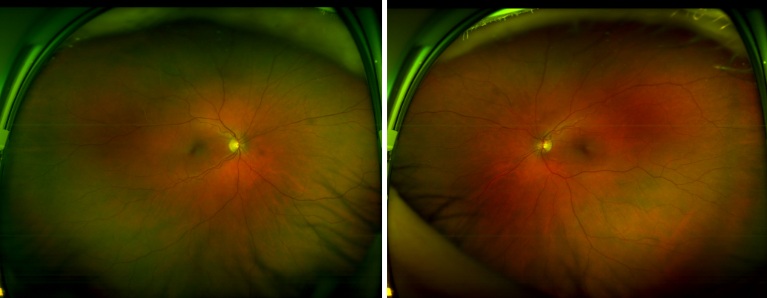
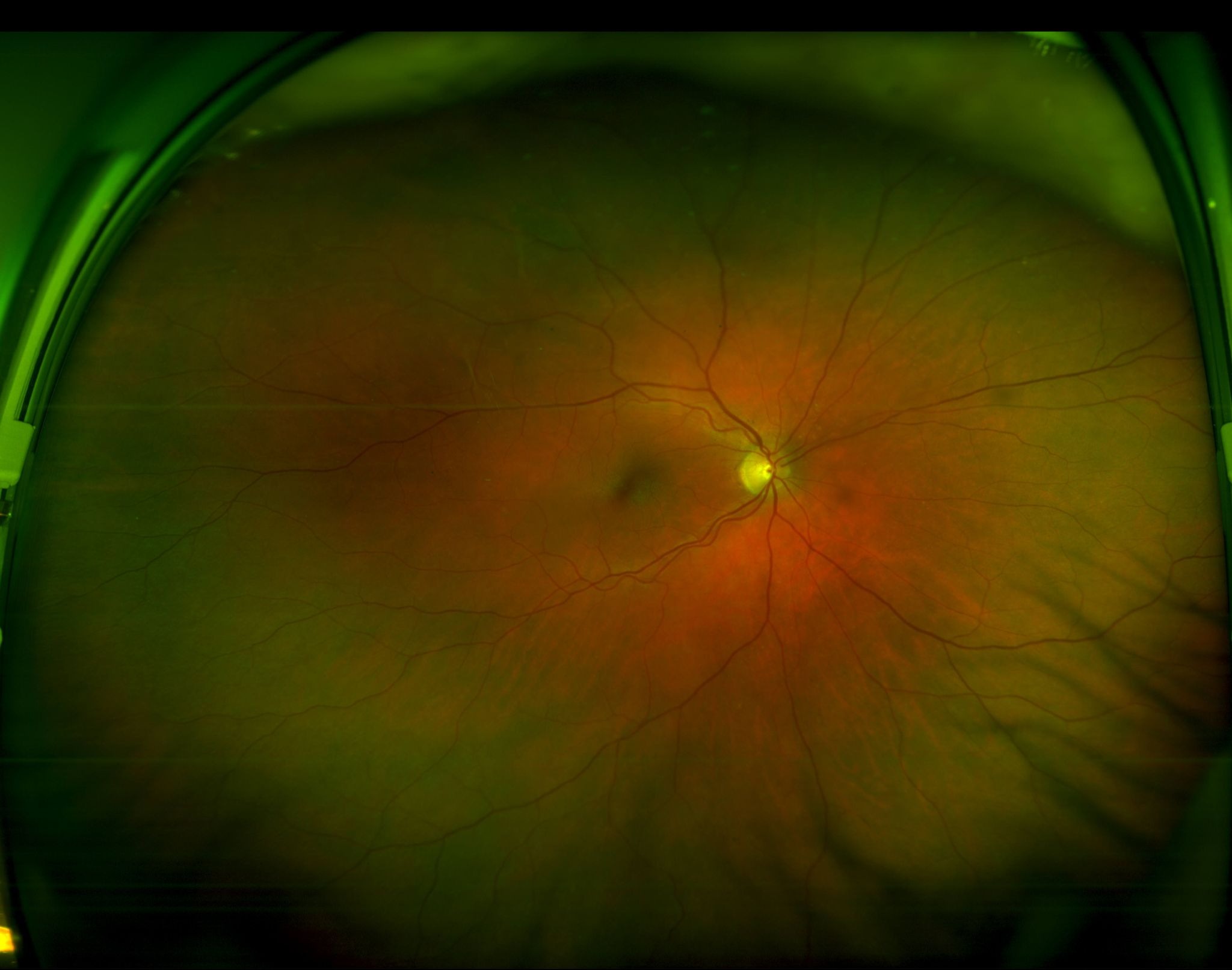
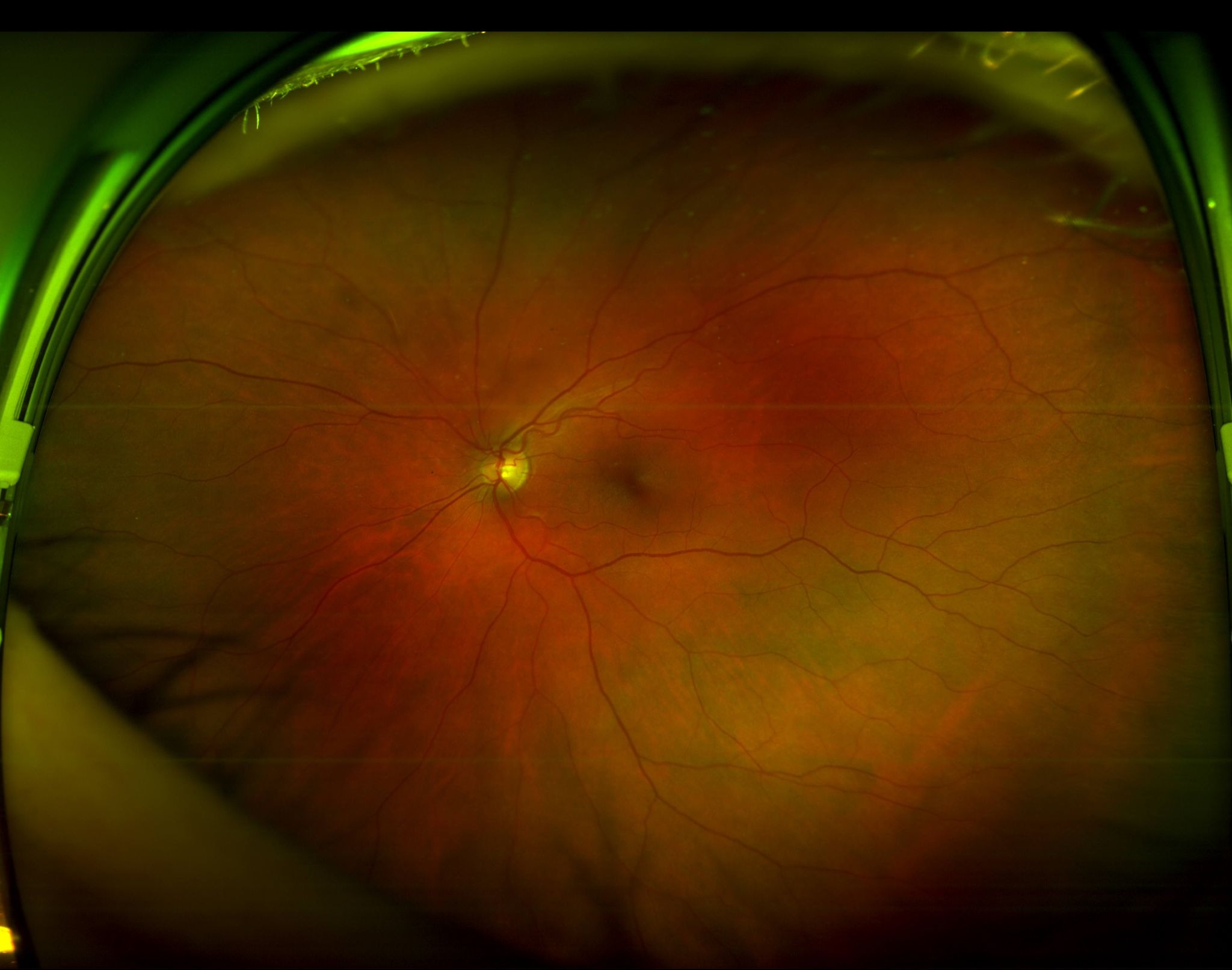
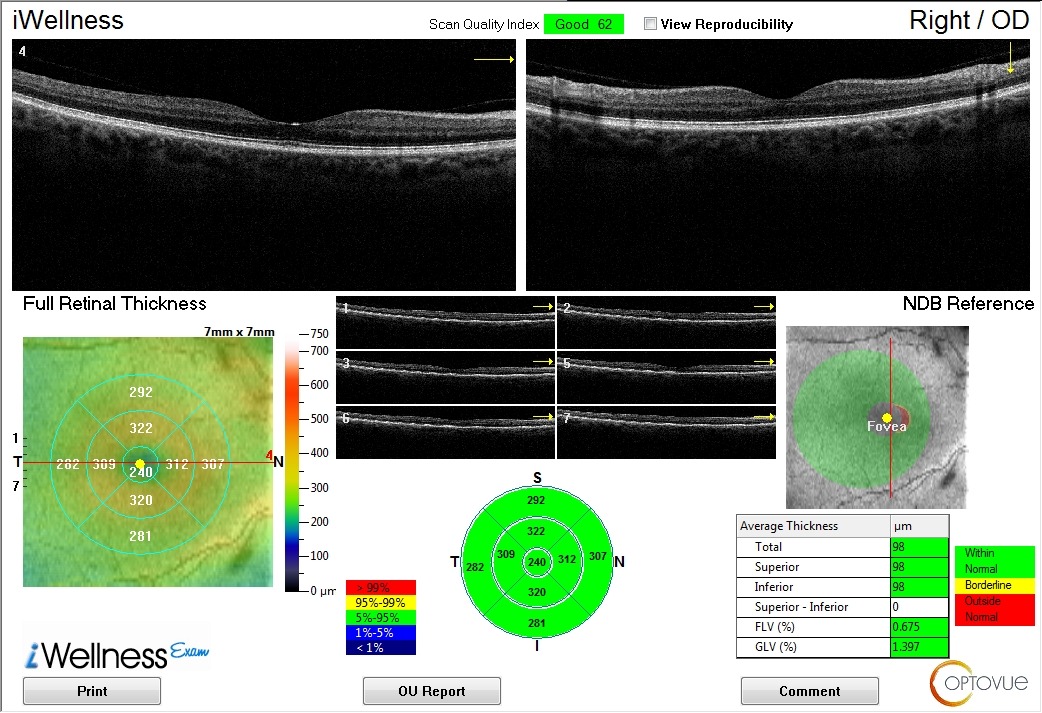
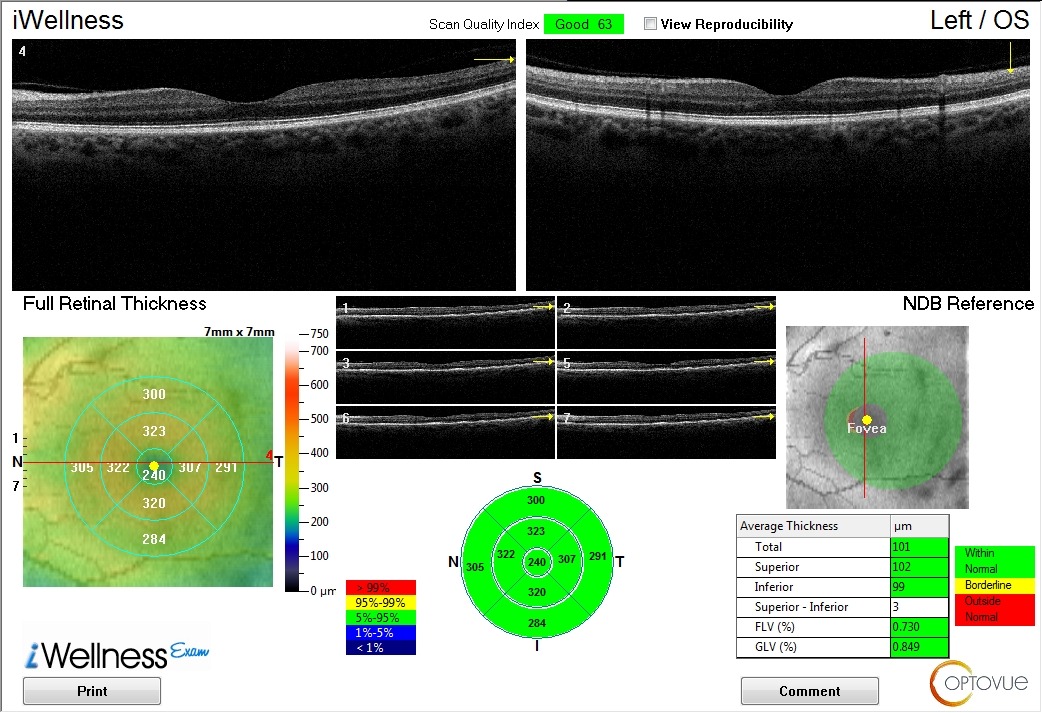
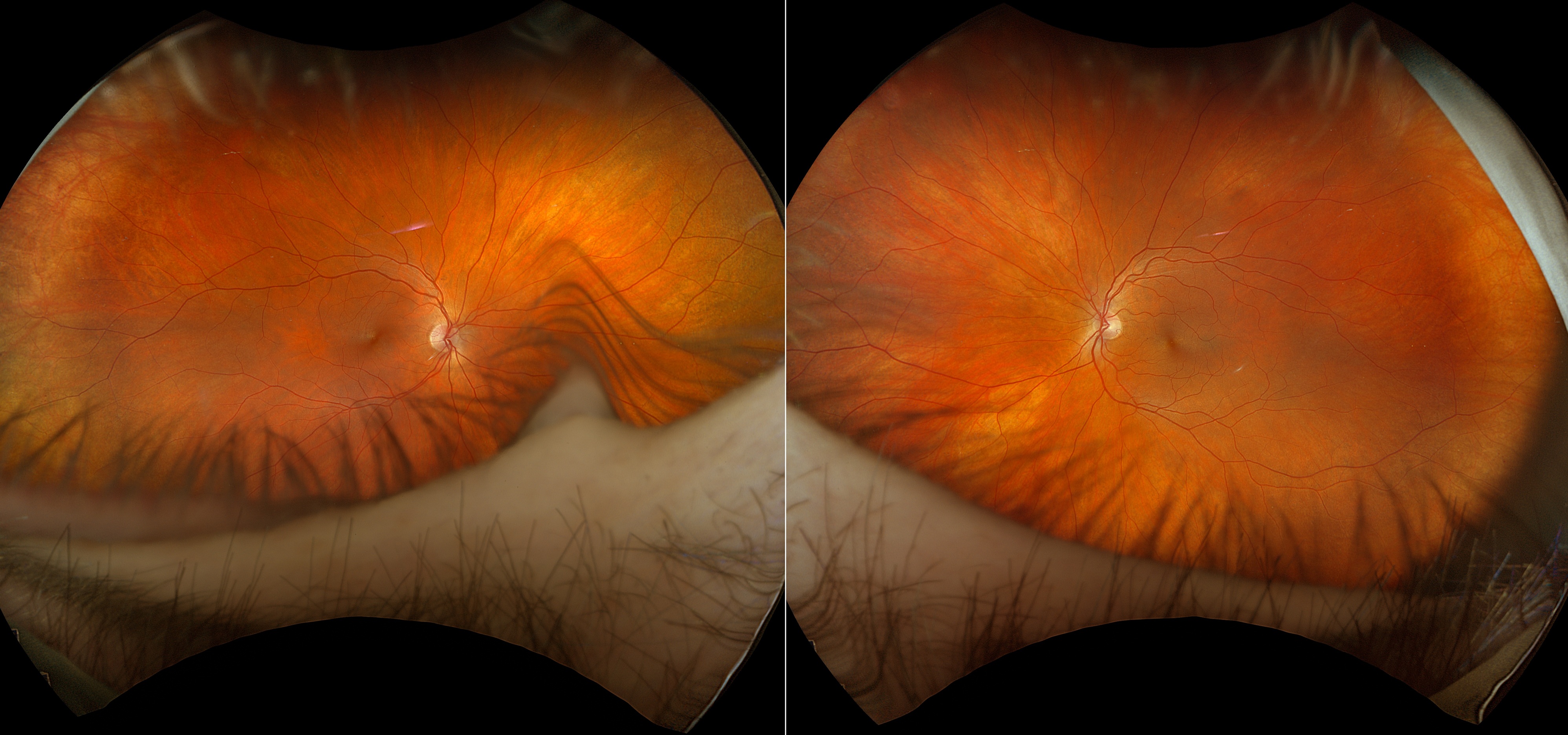
A 68-year-old patient presented with intermittent sharp, shooting pain in both eyes and was referred for assessment of the anterior chamber angles. Baseline IOP was 13–18 mmHg OD and 13–17 mmHg OS without glaucoma medication, with BCVA of 20/20 OU. Fundus photography, OCT RNFL, OCT macula, and visual field testing were obtained, while the clinical examination otherwise remained reassuring.
How should intermittent ocular pain influence the assessment of a patient with narrow anterior chamber angles?
An ophthalmology subspecialist provided a virtual consult within 1-2 weeks through Care1. Scroll below to see their diagnosis.
Care1 Ophthalmologist's Teleconsult
The patient has anatomically narrow angles with intermittent sharp, shooting pain in both eyes, despite a reassuring baseline IOP of 13–18 mmHg OD and 13–17 mmHg OS without glaucoma medication. The optic nerve and pressure findings were considered reassuring, and the OCT macula appeared clean. Given the angle findings and symptoms, referral to Dr. Behn was recommended to assess the angles and discuss potential lens-based treatment options, including clear lens extraction.
Care1 AI's Clinical Insight
Intermittent symptoms with normal IOP
Anatomically narrow angles can exist with normal IOP, optic nerve findings, and visual fields, particularly before established angle closure or glaucomatous damage develops. EyeWiki notes that intermittent or subacute angle-closure episodes can cause milder symptoms such as eye pain, brow ache, headache, or transient visual disturbances as the angle temporarily closes and then reopens.
Deepen your doctor-patient relationships
✔️ Shorter wait times for specialist input
✔️ More confident, transparent patient conversations
A prospective island-wide study in Singapore found that acute primary angle-closure glaucoma occurred at a rate of 12.2 cases per 100,000 people per year among adults aged 30 and older. The risk was 9.1 times higher in people aged 60 and older, highlighting advancing age as an important risk factor for angle-closure disease.
Reference: Seah SKL, Foster PJ, Chew PTK, et al. Incidence of acute primary angle-closure glaucoma in Singapore: an island-wide survey. Archives of Ophthalmology. 1997;115(11):1436–1440. doi:10.1001/archopht.1997.01100160606014.