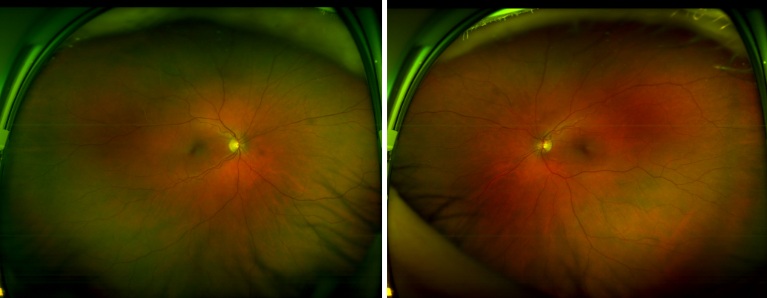
74-year-old with IOP reaching 30 mmHg OU during steroid use, thin corneas, and normal visual fields. How should risk be assessed?
Case Study: Elevated IOP After Steroid Use
An optometrist uploaded this case to Care1.
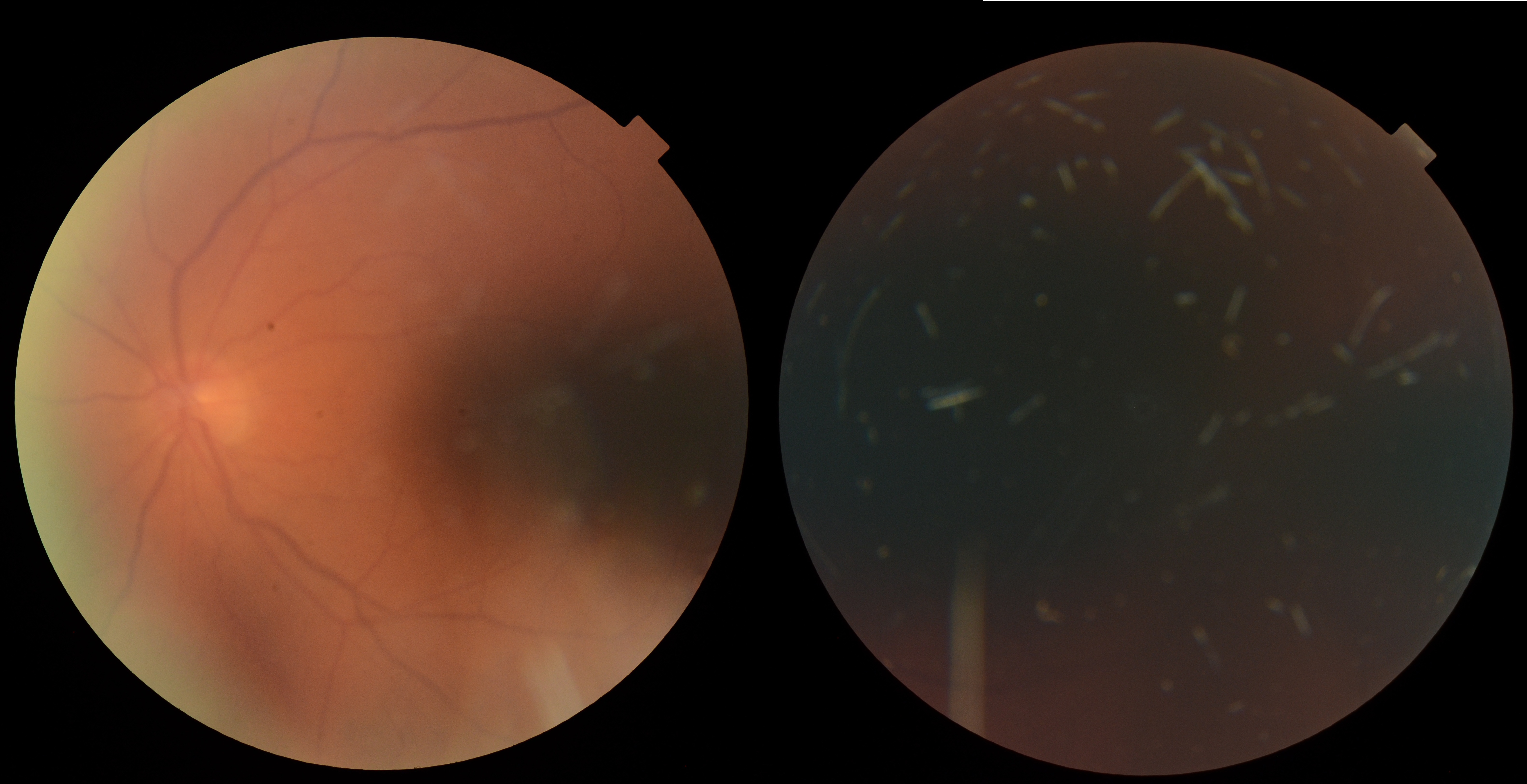
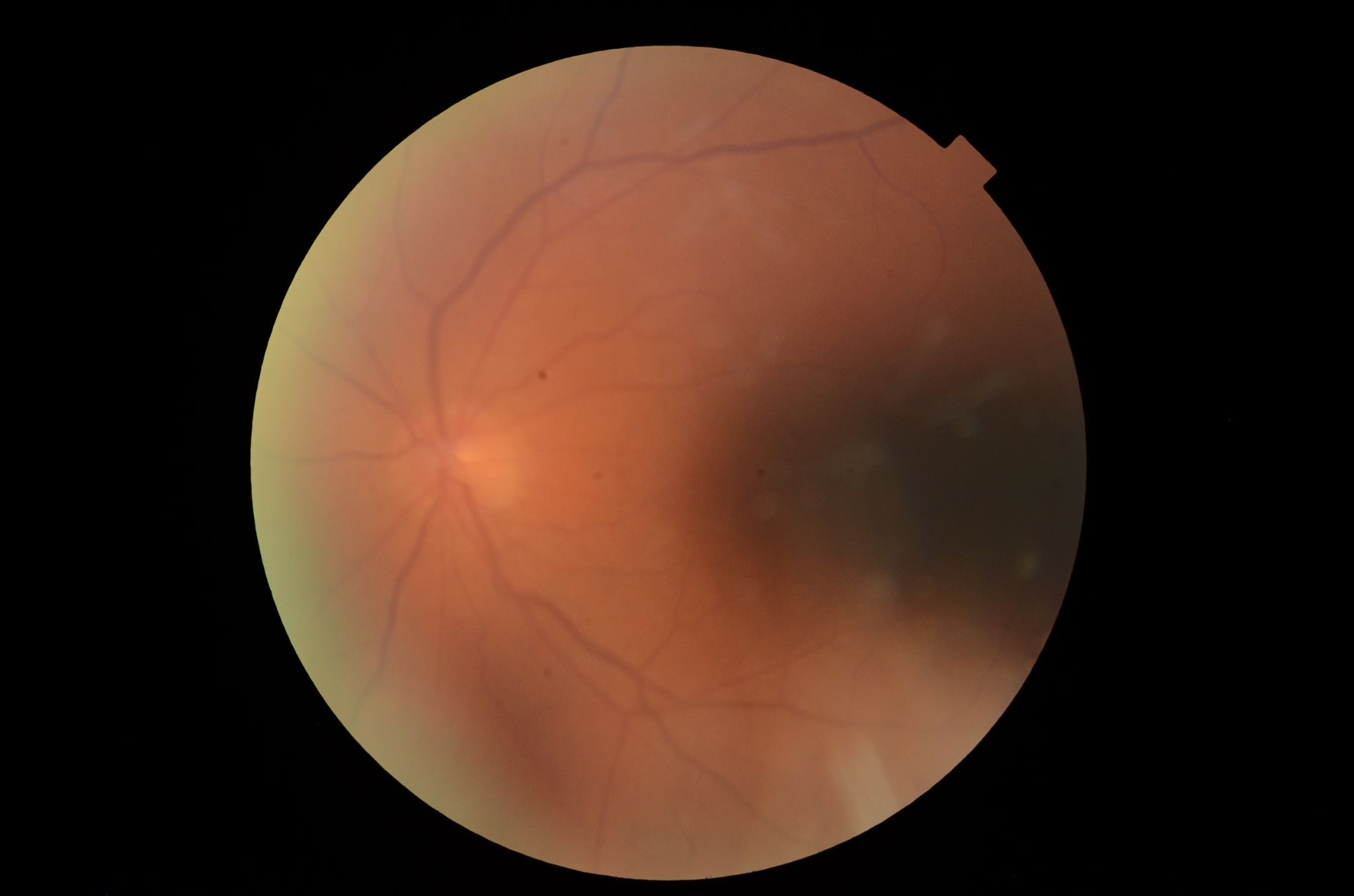
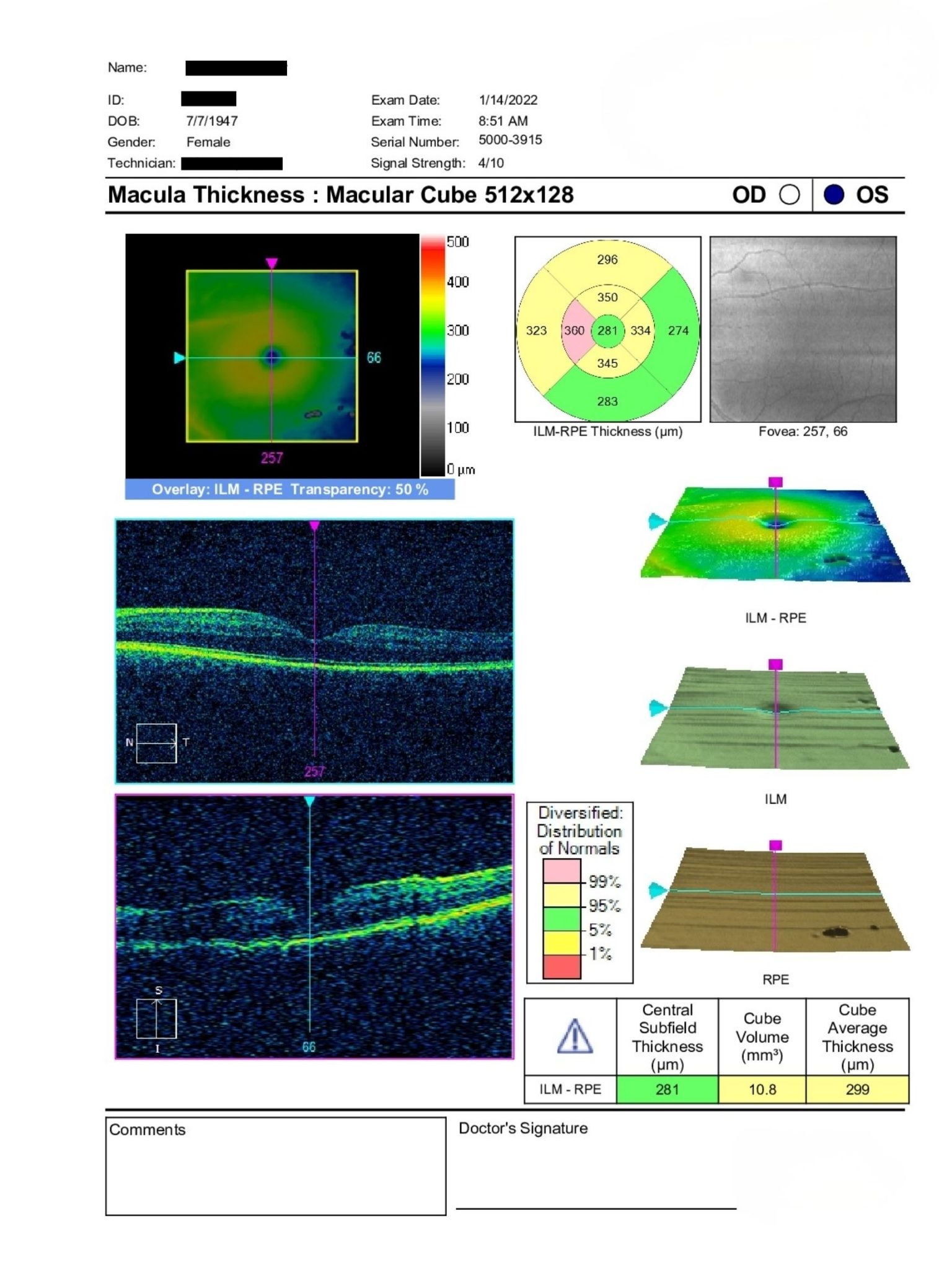
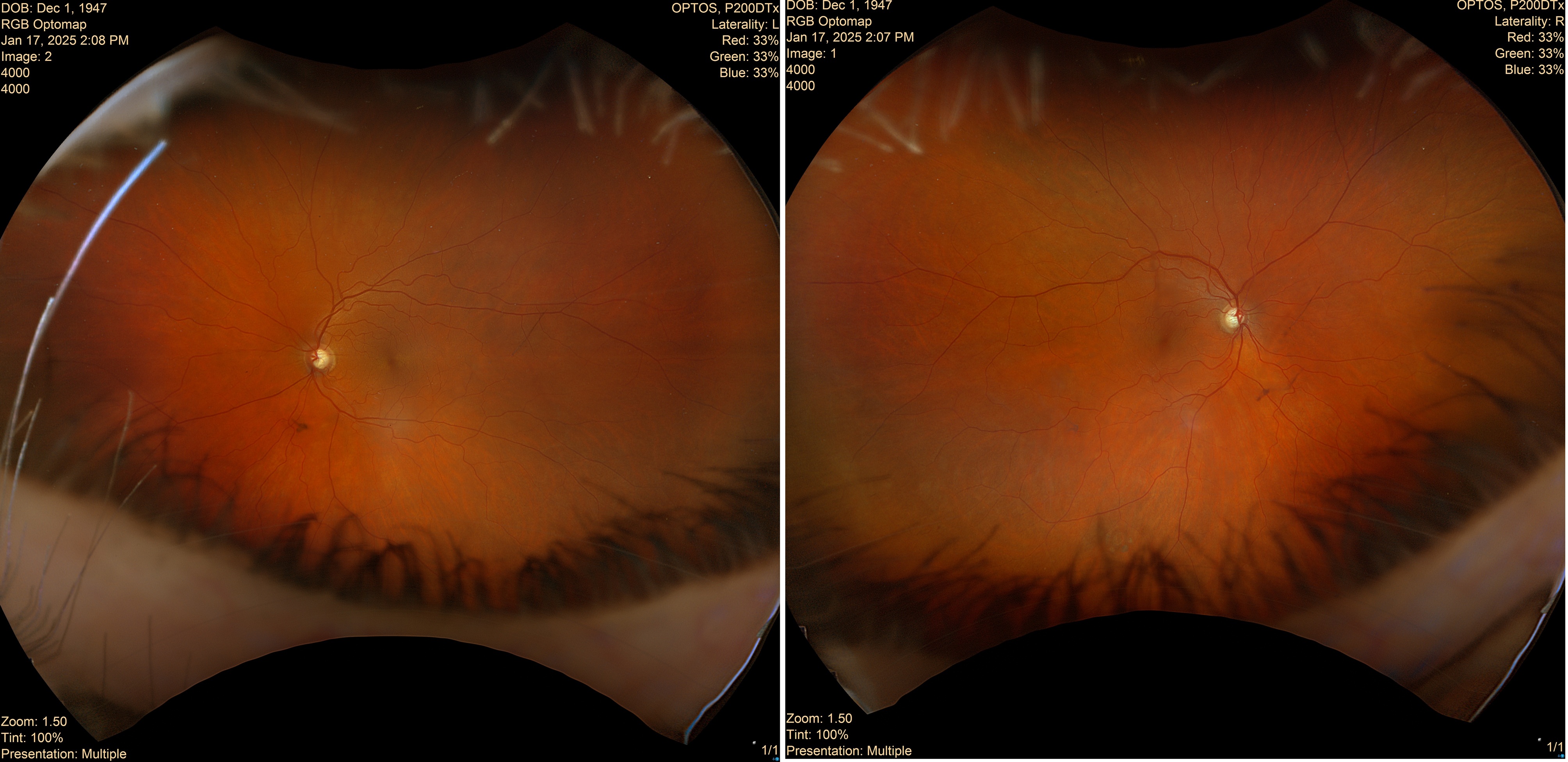
A 74-year-old patient was referred for elevated intraocular pressure during steroid use, with a history of cataracts OU. BCVA was 20/20 OU, with IOP of 18 mmHg OD and 21 mmHg OS at the January 2022 visit. Anterior segment findings included open angles, clear corneas, a mature cataract OD, and a small cataract OS. The posterior segment was documented as normal.
How should the history of markedly elevated IOP, steroid exposure, and thin corneas influence ongoing monitoring and management?
An ophthalmology subspecialist provided a virtual consult within 1-2 weeks through Care1. Scroll below to see their diagnosis.
Care1 Ophthalmologist's Teleconsult
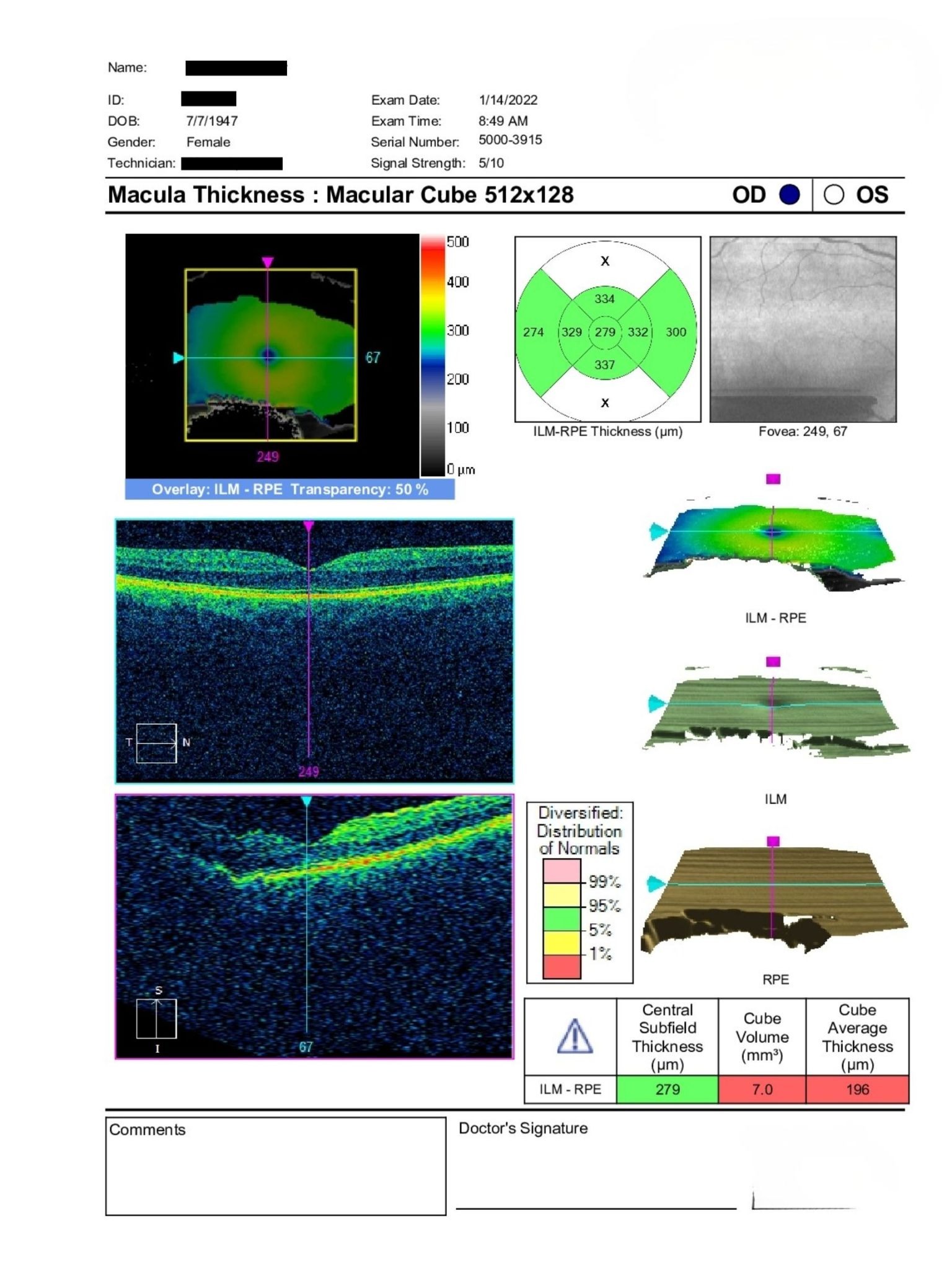
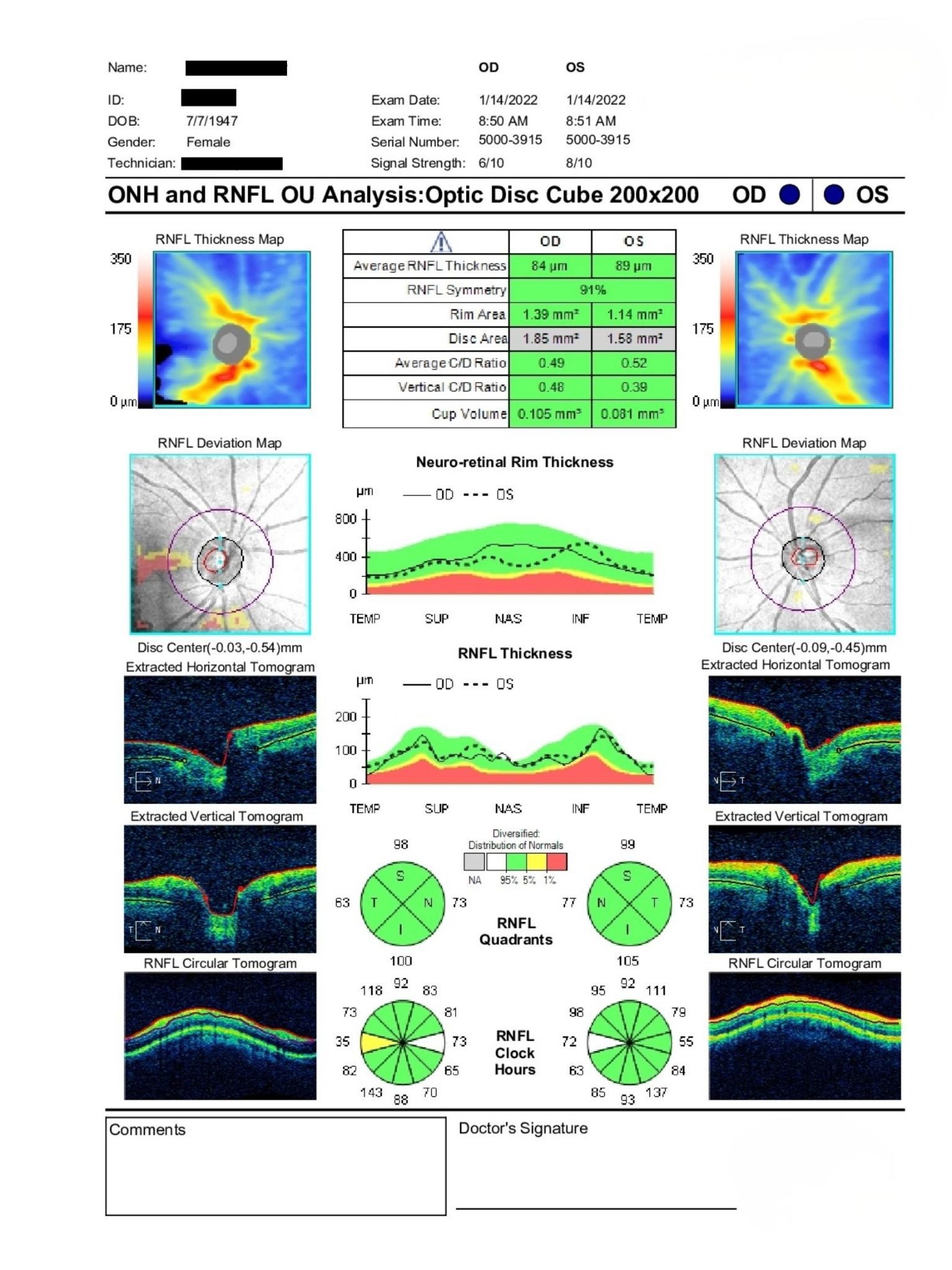
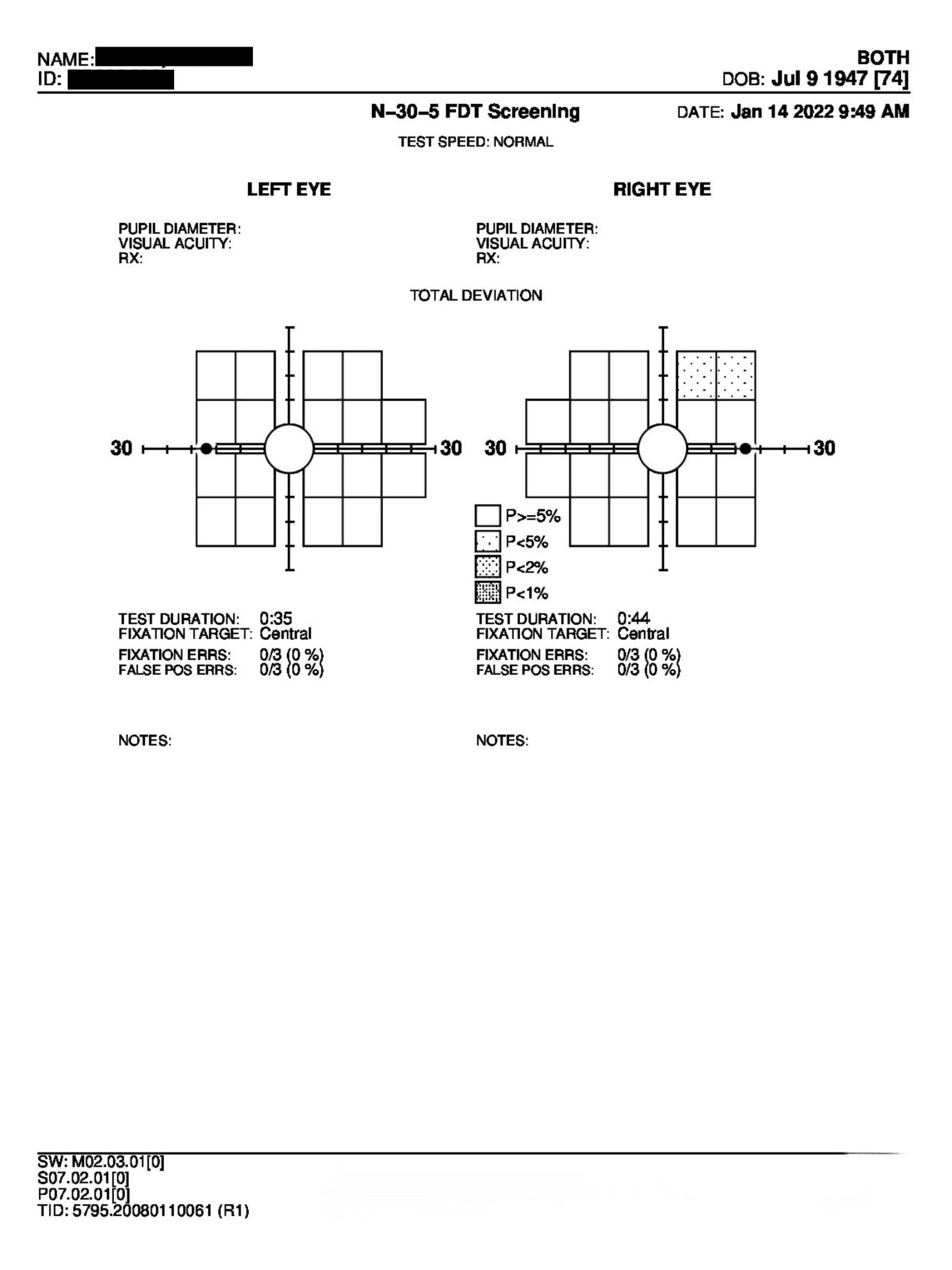
Historical IOP reached 30 mmHg OD and 27 mmHg OS in April 2020 in a patient identified as a steroid responder while using Tobradex. Additional suspicious findings included possible large cup-to-disc ratios OU and a thin right cornea. Visual field testing was documented as within normal limits, and the ophthalmologist recommended stopping Tobradex when appropriate, considering temporary pressure-lowering treatment, and repeating OCT and visual field testing.
At the January 2022 review, IOP measured 18 mmHg OD and 21 mmHg OS, with central corneal thicknesses of 516 µm OD and 529 µm OS. Cataracts were the primary documented concern, and referral for an in-person ophthalmology assessment was recommended, with follow-up in six months or sooner if advised.
Care1 AI's Clinical Insight
Corticosteroids can increase intraocular pressure by increasing resistance to aqueous outflow through changes in the trabecular meshwork. The magnitude and timing of this response vary with steroid potency, dose, duration, route of administration, and individual susceptibility. A history of a previous steroid-related pressure rise is an important risk factor for future responses and supports careful IOP monitoring.
Deepen your doctor-patient relationships
✔️ Shorter wait times for specialist input
✔️ More confident, transparent patient conversations
Among people exposed to topical ocular steroids, approximately 5% to 6% are classified as high steroid responders, with an IOP increase exceeding 15 mmHg. This highlights why a patient's response to corticosteroids can be clinically significant even when most patients experience little or no substantial pressure elevation.