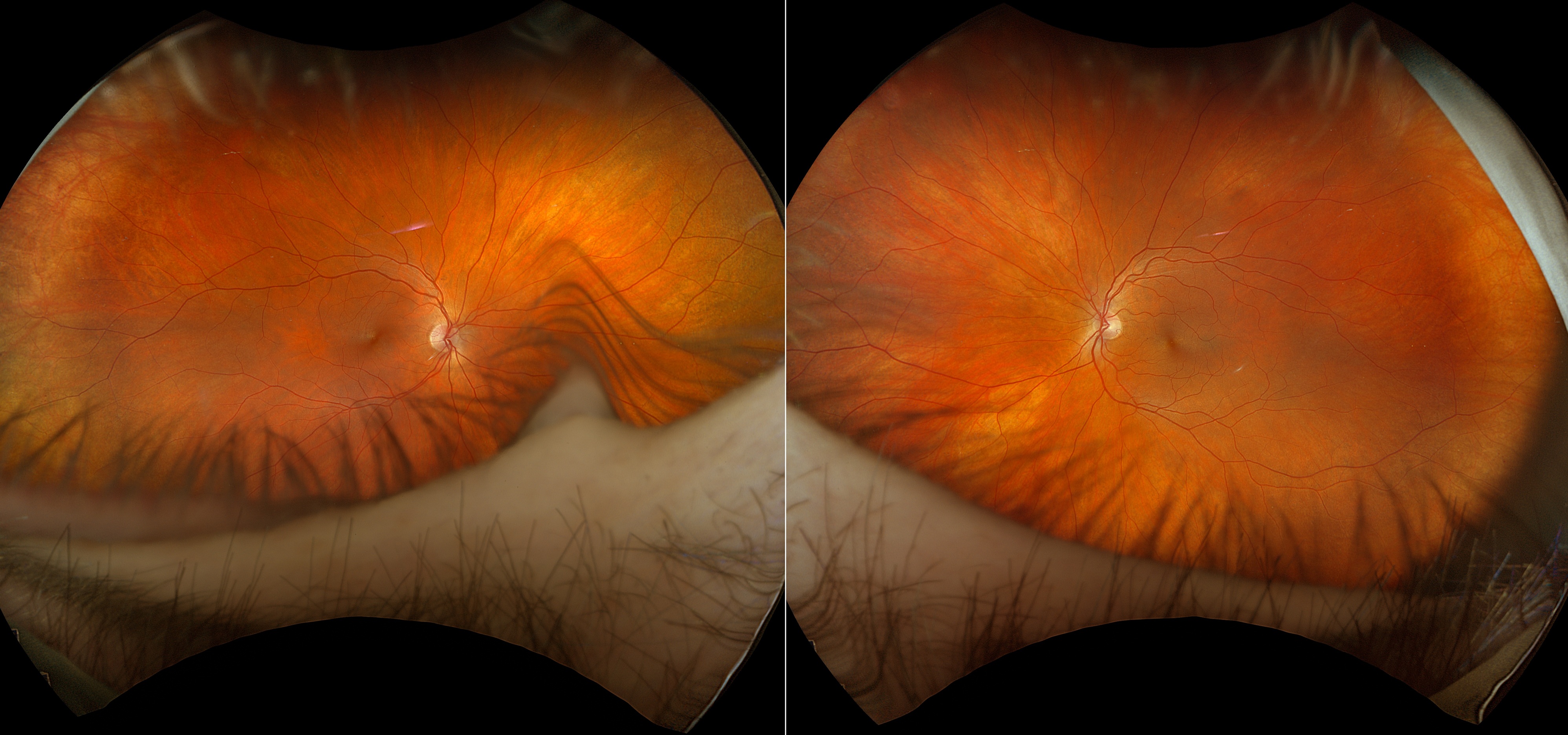
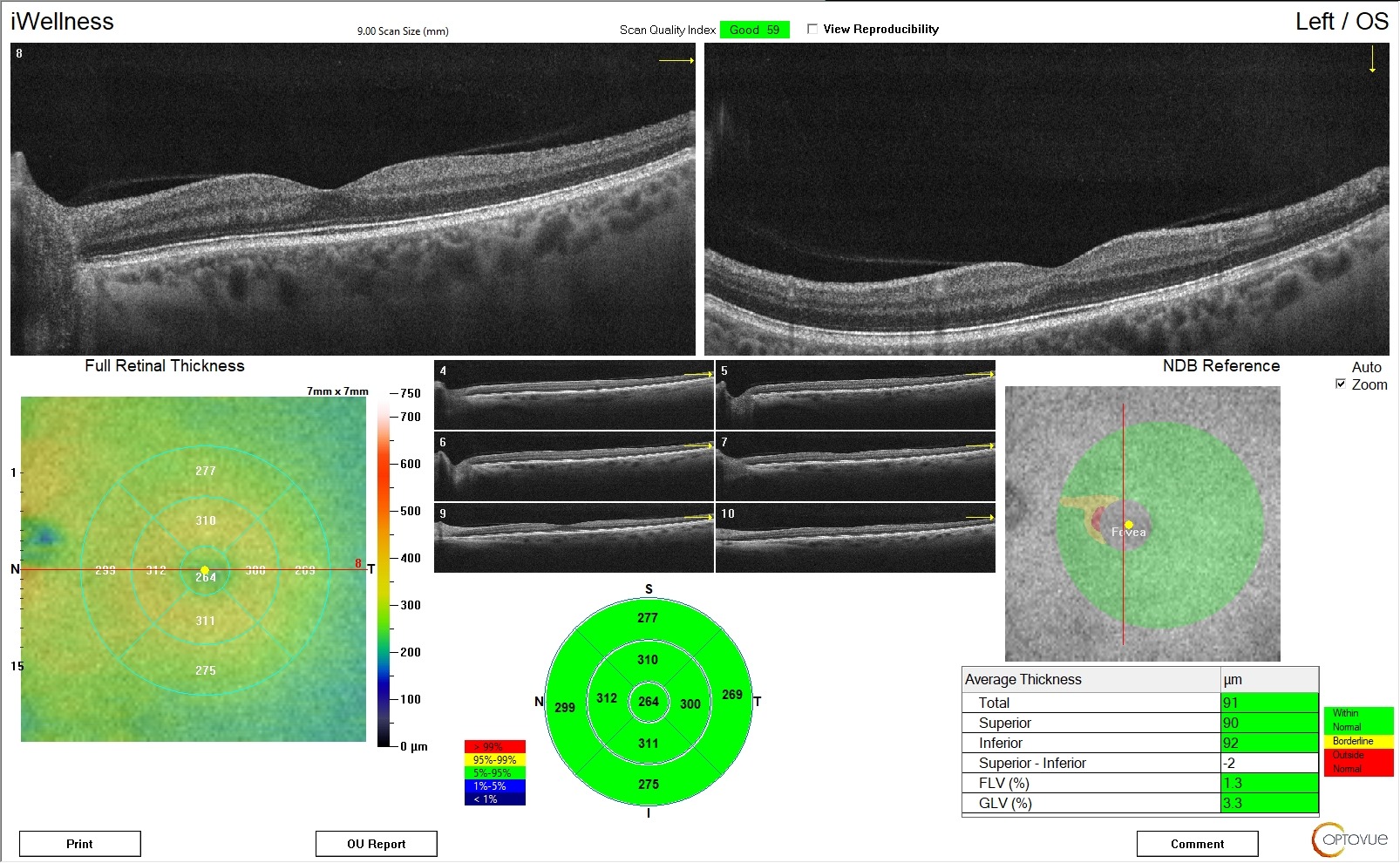
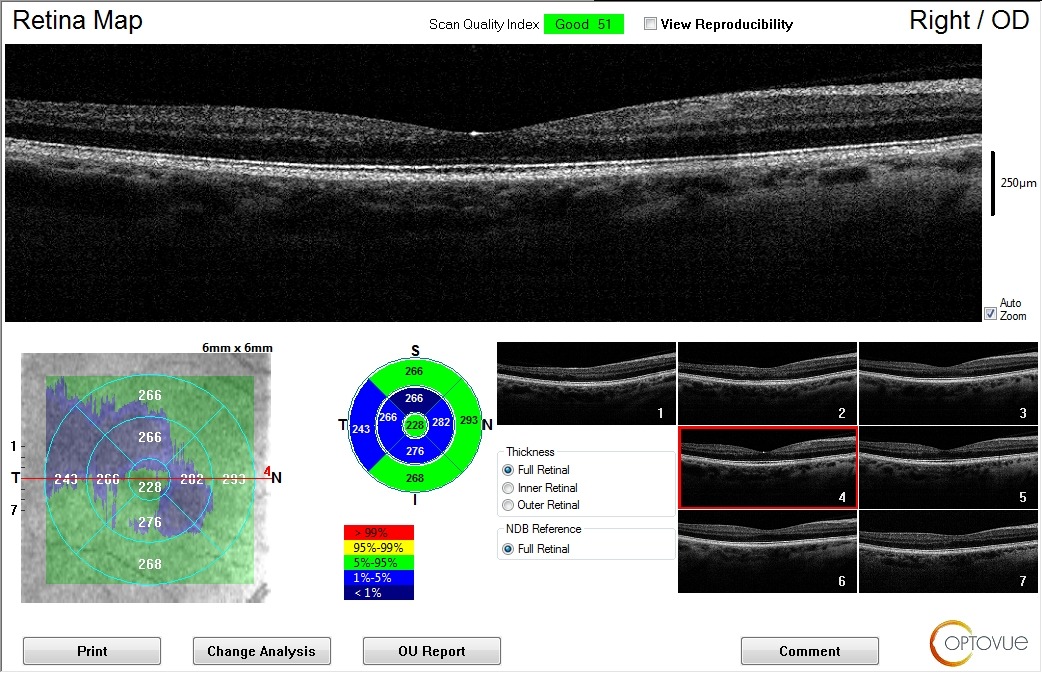
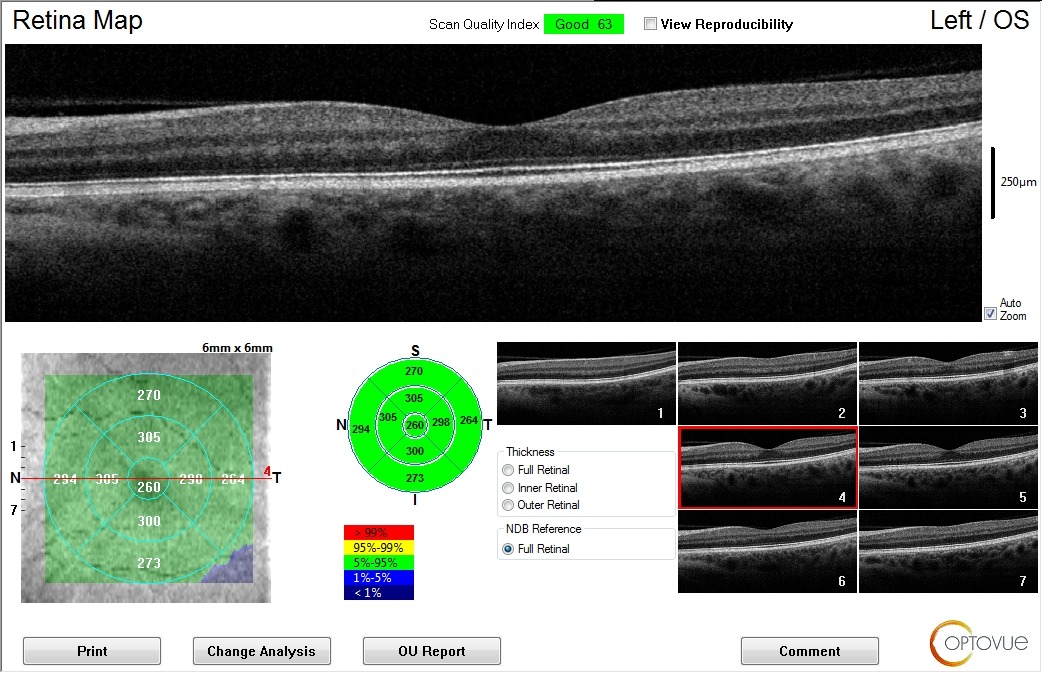
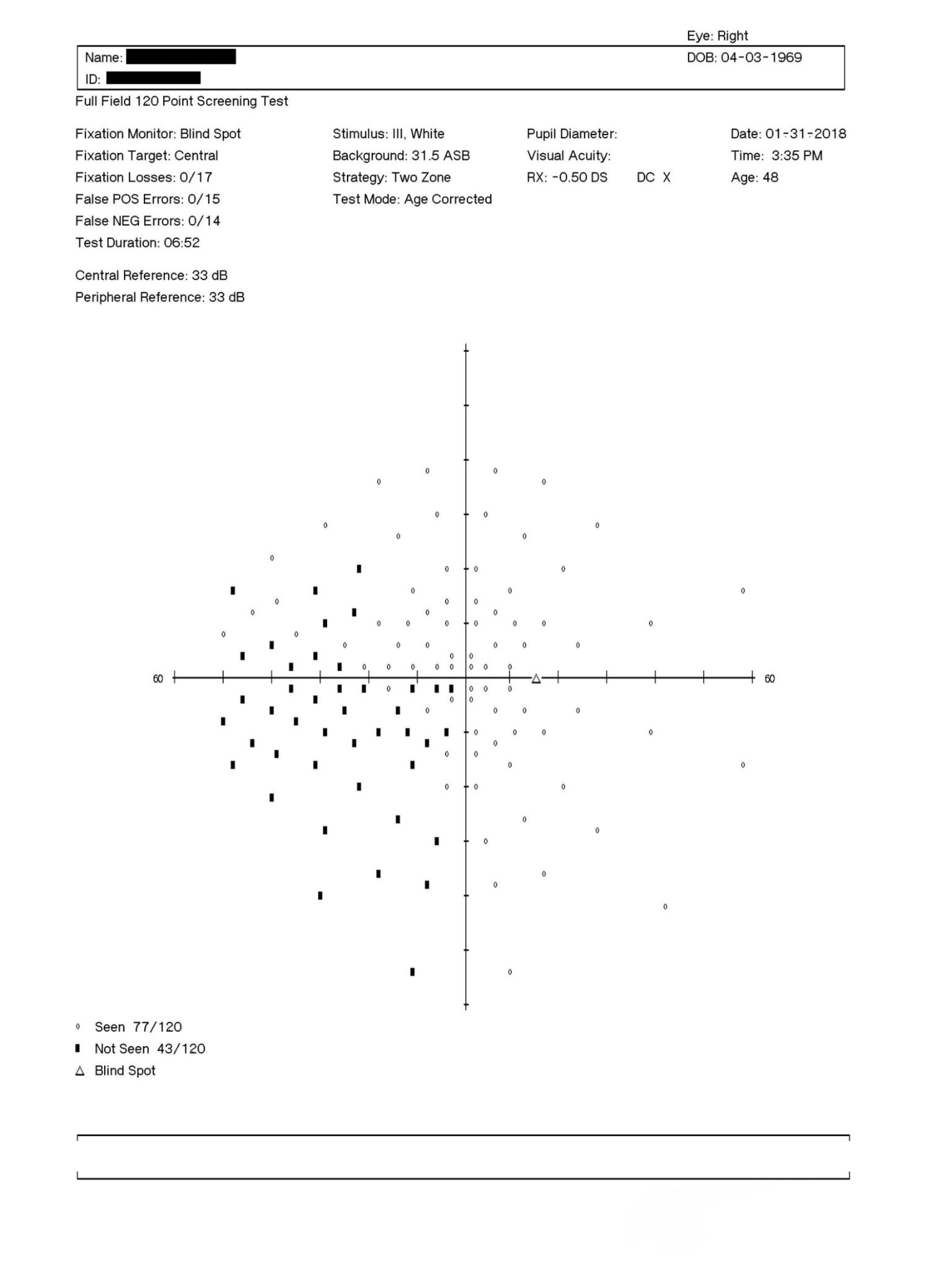
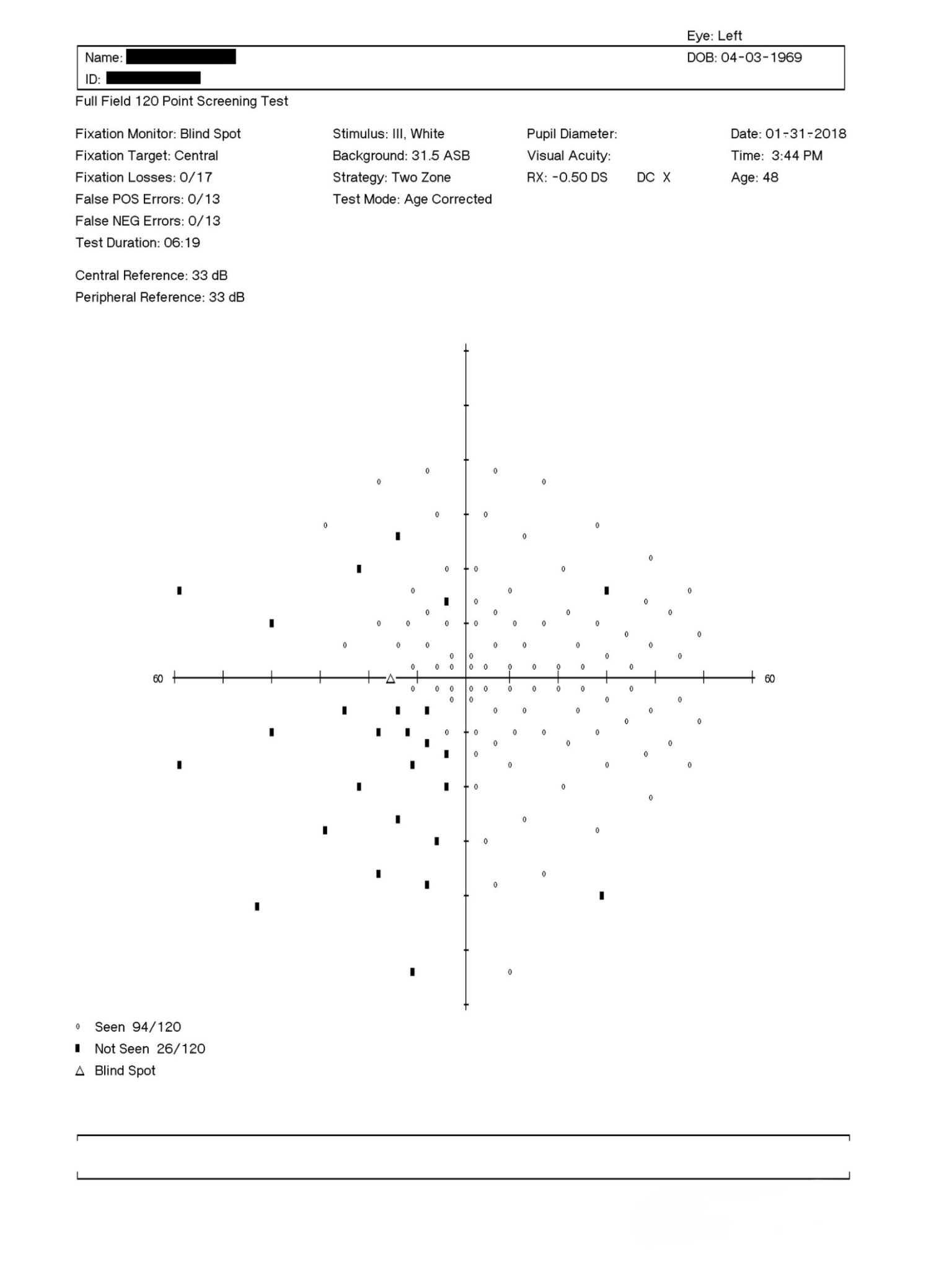
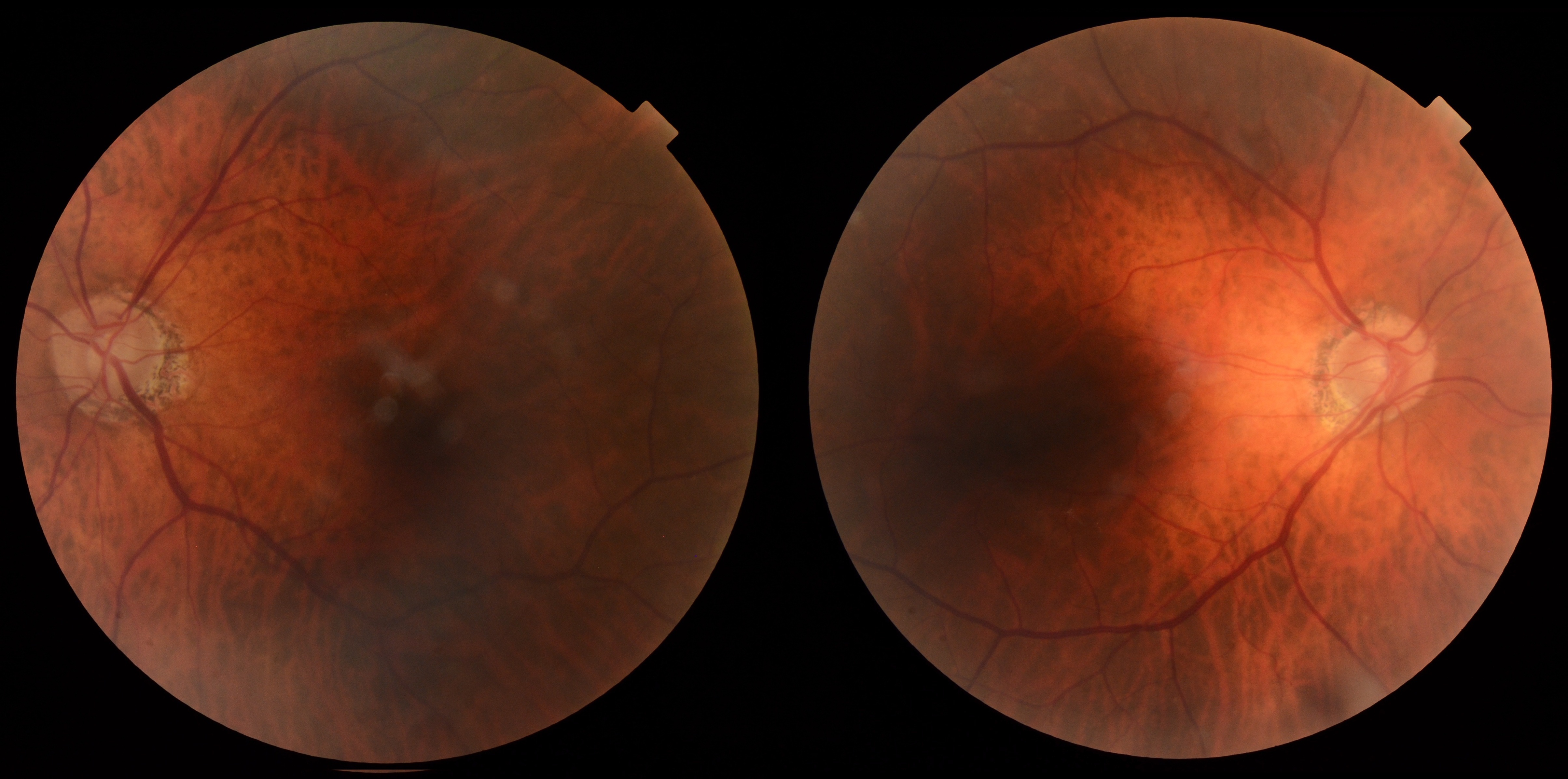
57-year-old with diabetes and a history of stroke presents for retinal monitoring, with preserved visual acuity and longstanding visual field changes.
Case Study: Long-Term Retinal Monitoring
An optometrist uploaded this case to Care1.
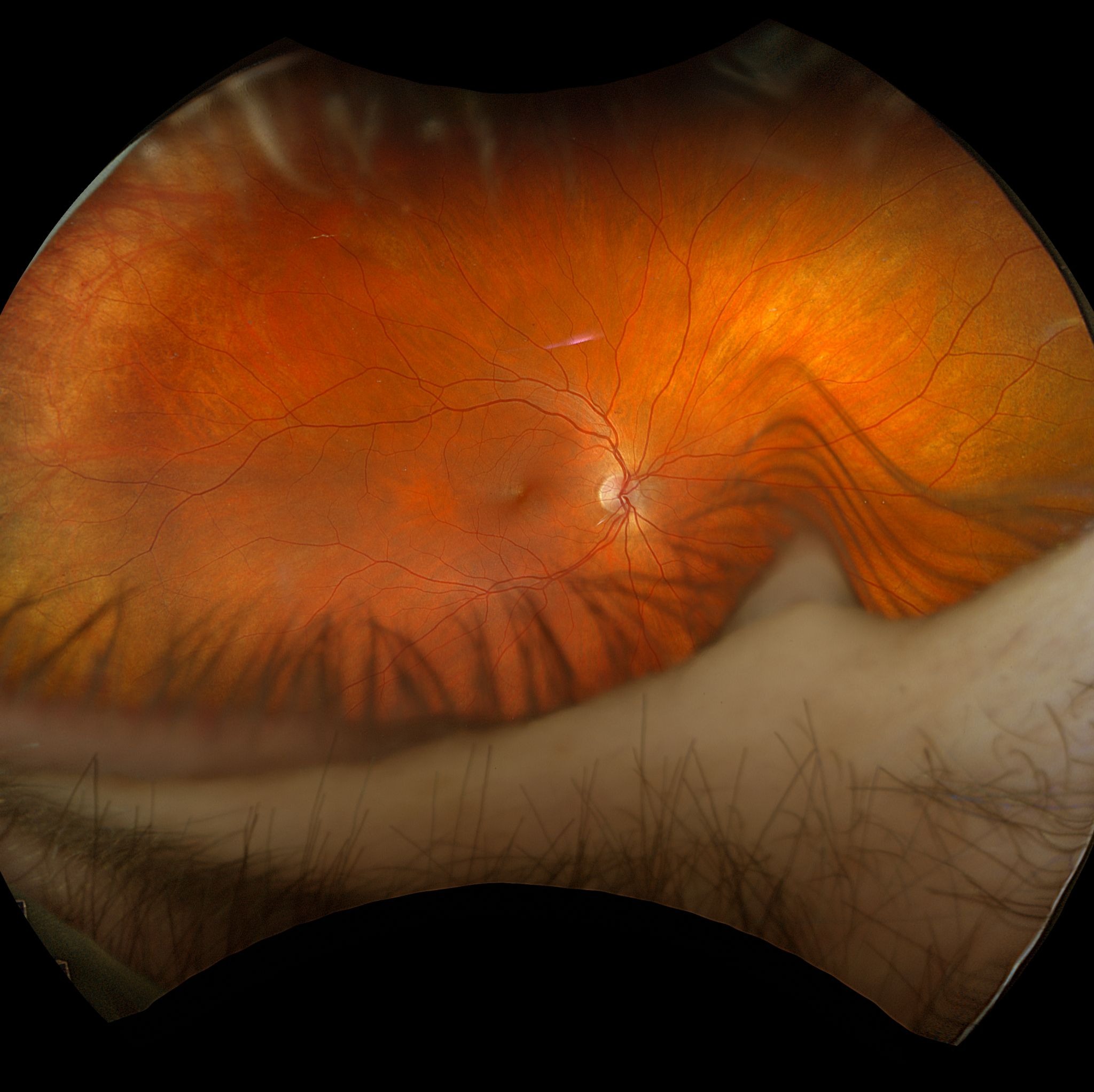
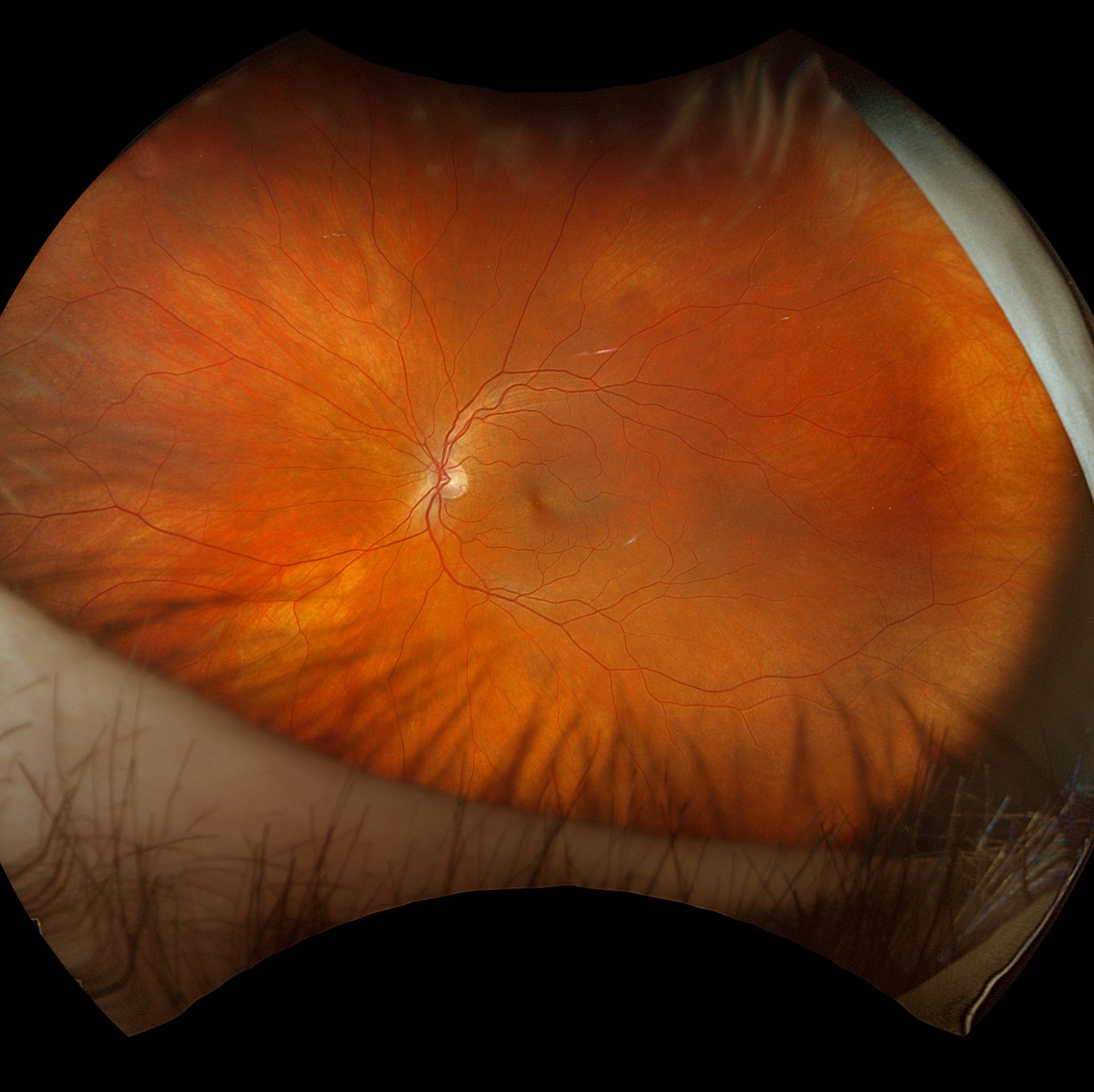
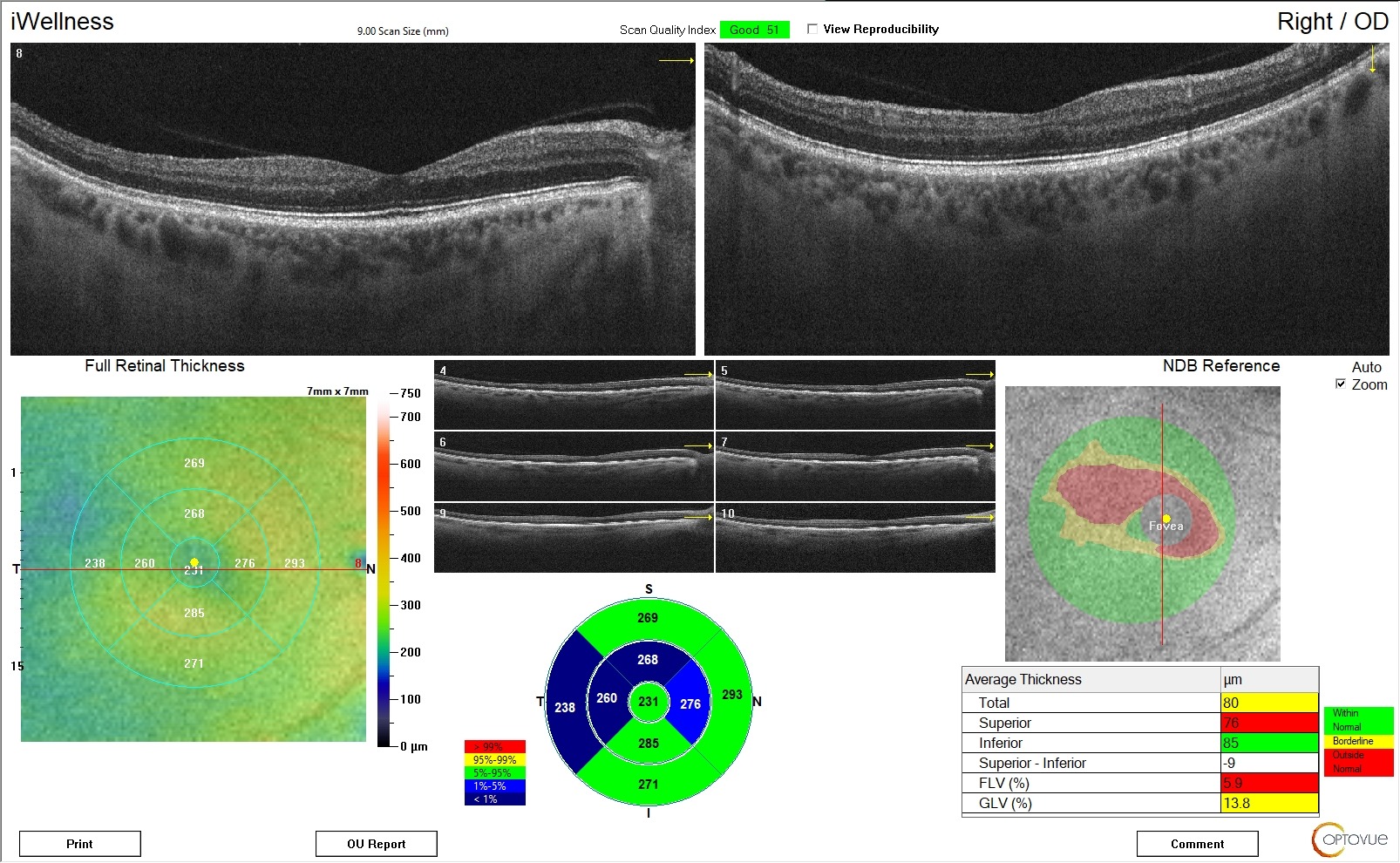
A 57-year-old female with diabetes and a history of stroke presented for retinal assessment. She maintains 20/20 visual acuity OU, with a longstanding left-sided visual field defect following her 2017 stroke. Previous assessments documented no diabetic retinal changes, while mild cataracts have been monitored over time. The May 2025 assessment included retinal imaging and ongoing monitoring.
How should optometrists approach longitudinal retinal monitoring when visual field defects coexist with systemic vascular risk factors?
A retina specialist provided a virtual consult within 1-2 weeks through Care1. Scroll below to see their diagnosis.
Care1 Ophthalmologist's Teleconsult
The Care1 ophthalmologist reviewed the patient's retinal findings and found no evidence of vision-threatening diabetic retinal changes or macular edema requiring intervention. Continued monitoring and good blood sugar control were encouraged, with annual retinal assessments recommended.
Care1 AI's Clinical Insight
Relevant topic: Diabetic Retinopathy
Diabetic retinopathy develops from damage to the retinal microvasculature associated with chronic hyperglycemia. Retinal vascular leakage, capillary closure, and ischemia can contribute to disease progression, while OCT helps identify retinal thickening and fluid associated with diabetic macular edema.
Unlock your full revenue potential
✔ Specialist consults within 1-2 weeks ✔ AI-powered clinical support ✔ Greater confidence in complex decision making
Diabetic macular edema can occur at any stage of diabetic retinopathy, meaning macular assessment remains important even when retinal disease appears relatively mild.
Reference: Wong TY, et al. Guidelines on Diabetic Eye Care: The International Council of Ophthalmology Recommendations for Screening, Follow-up, Referral, and Treatment Based on Resource Settings. Ophthalmology. 2018;125(10):1608–1622.
Clinical Pearls
Monitor retinal health longitudinally in patients with diabetes.
OCT can identify subtle macular fluid and thickening.
Consider neurological history when interpreting visual field defects.