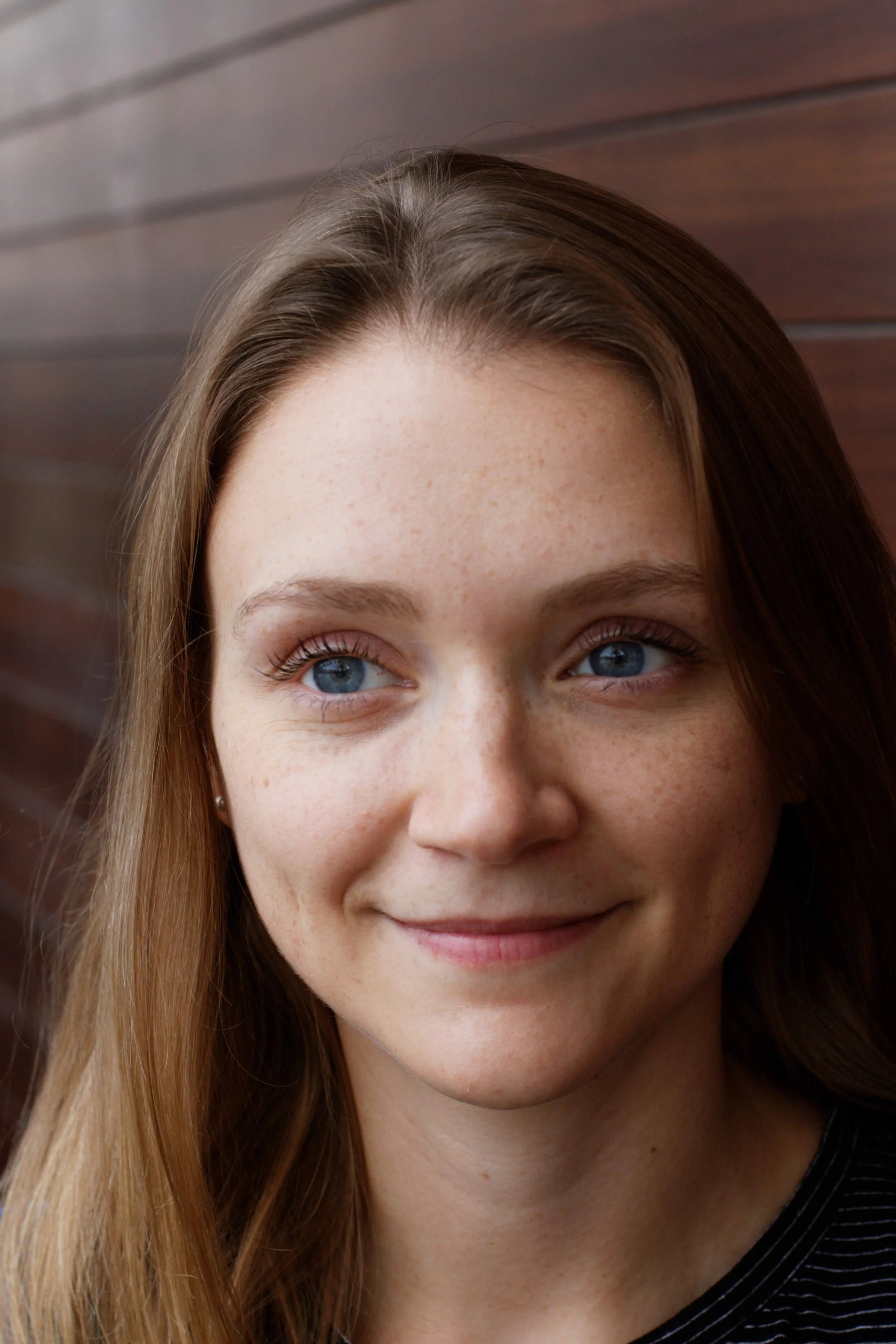
Dr. Sidonie Ward shares how Care1 has helped her build confidence managing complex cases, particularly glaucoma, in-house. Through access to ophthalmologist feedback and clinical support, Care1 helps optometrists expand their medical capabilities, strengthen patient continuity, and practice at a higher level of care.
Expanding Clinical Confidence: How Care1 Helps Optometrists Manage More Complex Cases In-House
For many optometrists, managing complex medical eye disease is an important part of expanding the scope of practice but confidence does not always come overnight.
As clinicians encounter more challenging cases, access to specialist expertise can provide an important layer of support. For Dr. Sidonie Ward, Care1 has helped create that connection, giving her greater confidence to manage complex cases while continuing to provide care within her own practice.
“Care1 has definitely given me the confidence to manage glaucoma in-house,” says Dr. Ward.
That confidence has changed not only how she approaches complex cases, but also how she thinks about the role of the optometry practice in delivering higher levels of medical care.
Building confidence through specialist collaboration
When Dr. Ward began practicing as an associate, she worked alongside an optometrist already using Care1. As a new graduate, having access to feedback from ophthalmologists provided valuable support as she developed her clinical experience.
Later, when she took over a practice where much of the medical eye care had historically been referred out, that same access to specialist input became an important part of expanding the practice's capabilities.
“It's been nice having feedback from the ophthalmologists and being able to let the patients know this is something that we can manage in-office,” she explains.
For optometrists, the ability to collaborate with ophthalmologists can help bridge the gap between encountering a complex case and feeling confident managing it. Rather than automatically referring patients out, clinicians can have access to additional clinical perspective when they need it.
Build confidence managing complex cases in-house with specialist collaboration, clinical support, and Care1.
Supporting more confident glaucoma management
Glaucoma is one area where this additional support has made a particular difference for Dr. Ward.
Earlier in her career, she had not encountered a large volume of glaucoma cases. With access to feedback from ophthalmologists through Care1, she became more comfortable managing glaucoma in-house and more confident in determining when a referral was truly necessary.
“I'm definitely more likely to keep a patient here before I decide to make the referral, if I even decide to make the referral,” she says.
With glaucoma on the rise and referral wait times increasing, Care1 can help optometry clinics meet the growing demand for glaucoma care. By supporting more informed clinical decision-making, Care1 enables optometrists to expand their glaucoma care by confidently managing more patients in-house, with ongoing monitoring and co-management, rather than referring these patients to ophthalmology.
For clinicians, that can mean expanding the range of cases they feel equipped to manage. For patients, it can mean fewer handoffs and greater continuity throughout their care journey.
Learning from every case
Clinical confidence is built over time, and every challenging case can become an opportunity to learn.
Dr. Ward describes how Care1's ophthalmologist feedback has helped her reassess findings and deepen her understanding of complex cases.
“Sometimes you think it's one thing and it ends up being something else,” she says.
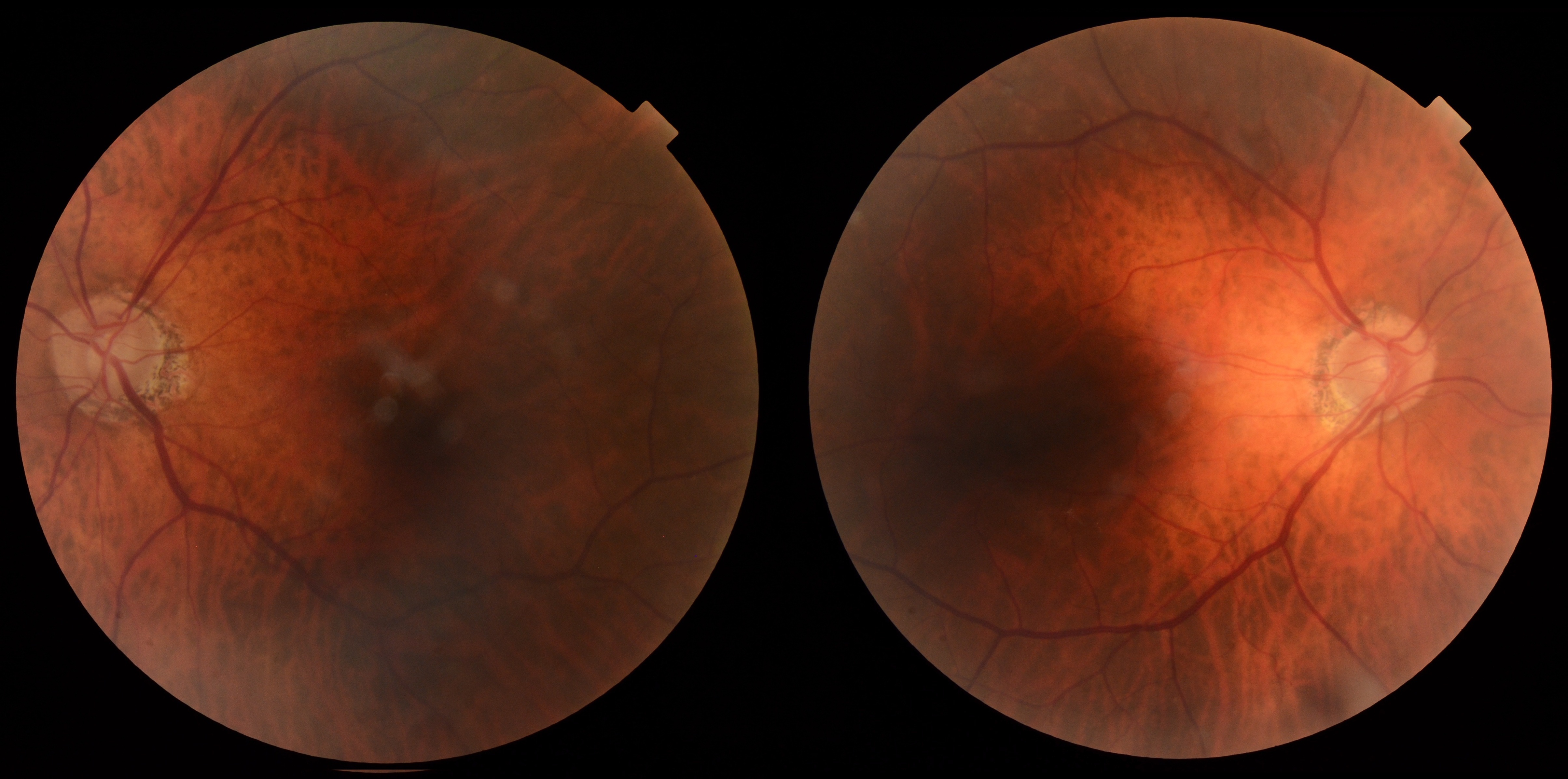
That additional perspective can be particularly valuable when reviewing imaging such as OCT scans. When a finding is unexpected or difficult to interpret, having another clinical opinion can help confirm a diagnosis, raise a new consideration, or simply provide reassurance that the clinician's approach is appropriate.
In this way, specialist collaboration becomes more than a safety net. It can become part of ongoing professional development, helping clinicians learn from the cases they are already seeing in practice.
Bringing more medical care back into the practice
For Dr. Ward, the benefits extend beyond individual cases.
Before Care1, much of the practice's medical eye care had been referred to ophthalmology. Over time, this meant that some patients would disappear from the practice for years before returning for a routine eye examination or a new pair of glasses.
With the ability to manage more glaucoma-related care in-house, the practice has been able to maintain stronger continuity with these patients.
“It's been really nice to be able to keep those patients in the practice or have them return to the practice,” Dr. Ward says.
This can create a more connected experience for patients. Instead of travelling to another office for every aspect of their care, appropriate patients can receive ongoing monitoring from a clinician they already know, with specialist input available when needed.
Practice at the highest level of medicine
✔ Specialist consults within 1-2 weeks ✔ AI-powered clinical support ✔ Greater confidence in complex decision making
The value of specialist collaboration is not only clinical. Patients also appreciate knowing that their care is supported by additional expertise.
Dr. Ward says patients can feel reassured when they understand that an ophthalmologist has also reviewed their case and agrees with the clinical assessment.
For patients who have previously been under the care of an ophthalmologist, this can be particularly meaningful. It provides continuity between their previous experience and their ongoing care in an optometry practice.
Care1 also gives clinicians opportunities to make complex information more understandable for patients. Risk assessments, imaging, and analysis can help patients see what is being monitored and why follow-up testing matters.
That transparency can make it easier for patients to understand the importance of returning for ongoing care, particularly for conditions that require monitoring over time.
Making advanced care part of the existing workflow
Introducing new technology into a practice can raise questions about workflow and efficiency. For Dr. Ward, however, Care1 has been straightforward to incorporate into the practice's existing processes.
The practice was already capturing imaging and preparing clinical correspondence. The main additional step was uploading scans to the Care1 platform.
“It's been very easy to kind of work that into things,” she says.
That ease of integration is important. The goal is not to create a separate or burdensome process, but to support the clinical work that is already taking place.
A more connected model of eye care
Dr. Ward's experience reflects a broader shift in how optometric and ophthalmic care can work together.
With access to advanced imaging, clinical analysis, and specialist collaboration, optometrists can continue to build their confidence in managing more complex cases. Patients can benefit from greater continuity, more convenient access to care, and the reassurance that additional expertise is supporting their clinical journey.
For clinicians, the result is an opportunity to continue developing their skills while expanding the level of medical care they can provide within their practice.
As Dr. Ward puts it, access to ophthalmologist feedback has been “really, really helpful in growing my confidence and managing more complicated cases.”
Ultimately, practicing at the highest levels of medicine is not about working in isolation. It is about having the tools, technology, and clinical collaboration needed to make confident decisions and ensuring that patients receive the right care, in the right place, at the right time.
Care1 helps make that more connected approach possible.