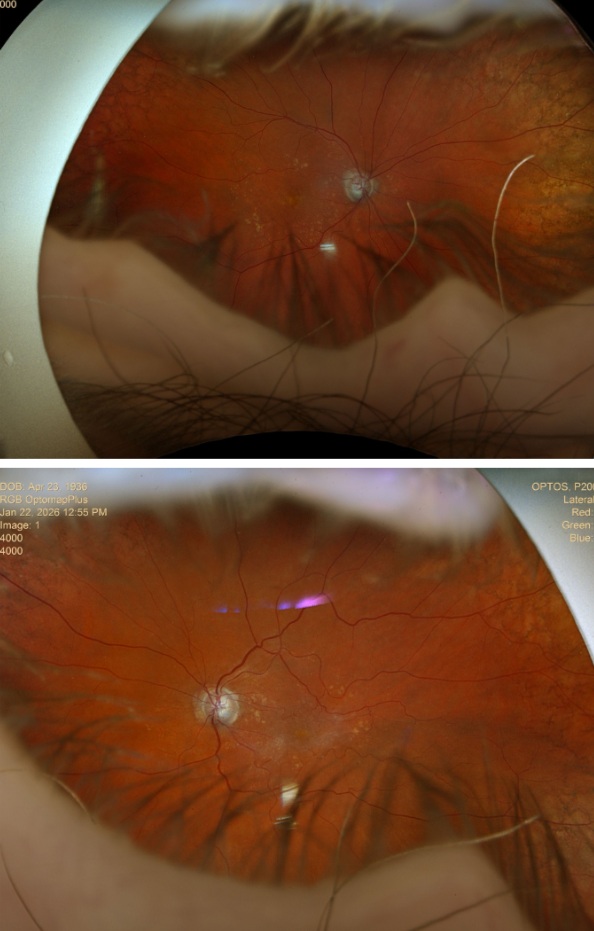
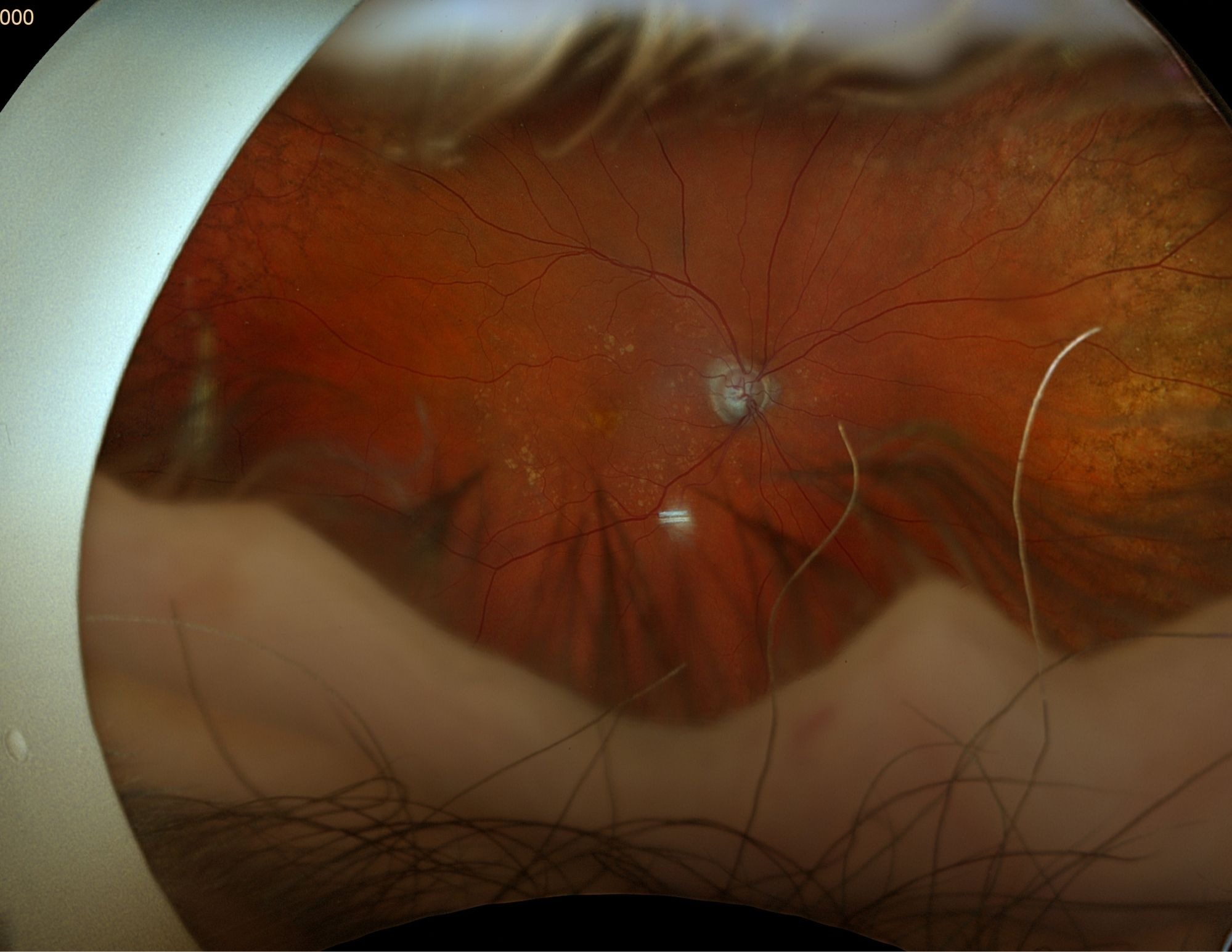
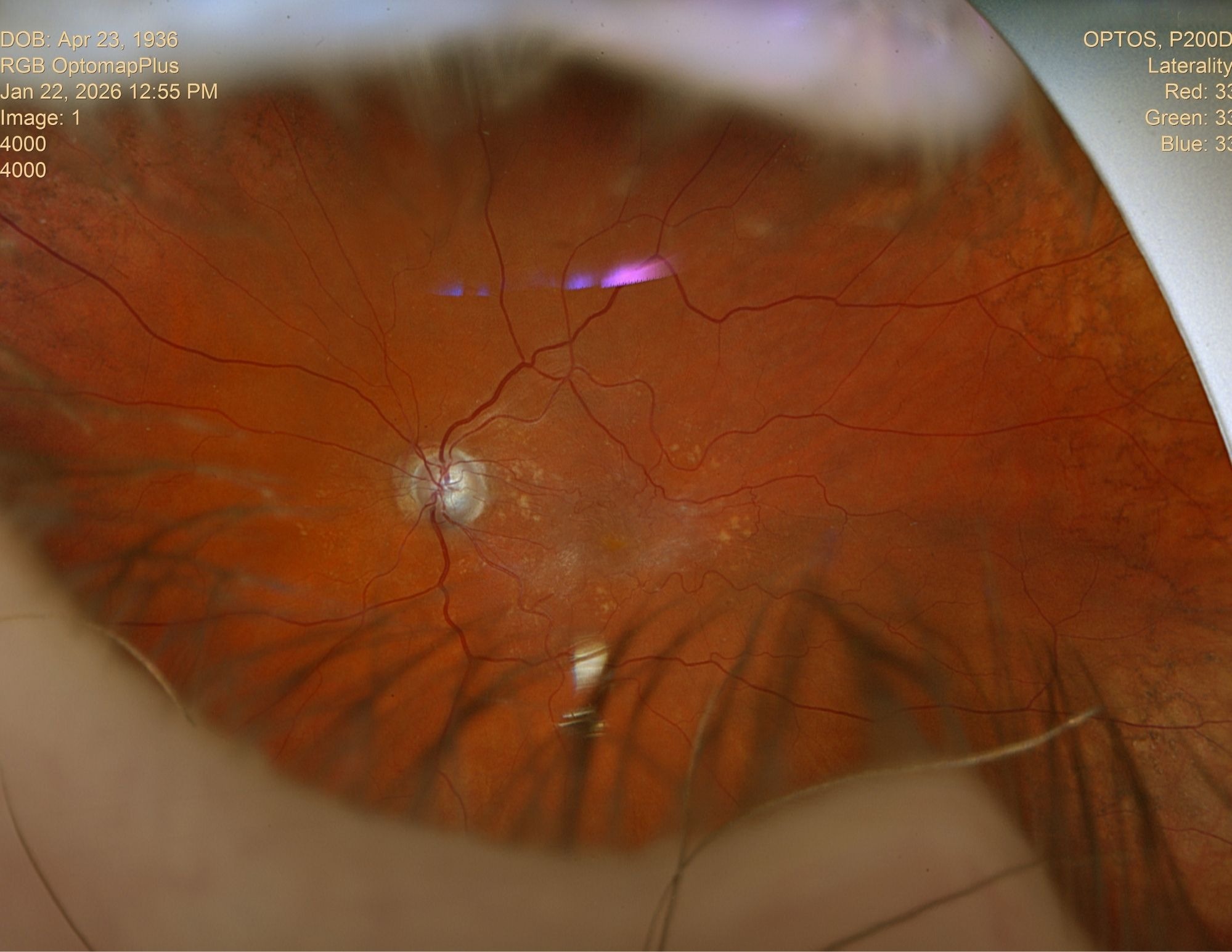
89-year-old with reduced vision OS, tractional macular changes, BCVA 20/40, and imaging findings prompting retina evaluation.
Case Study: Large Cupping With Normal VF
An optometrist uploaded this case to Care1.
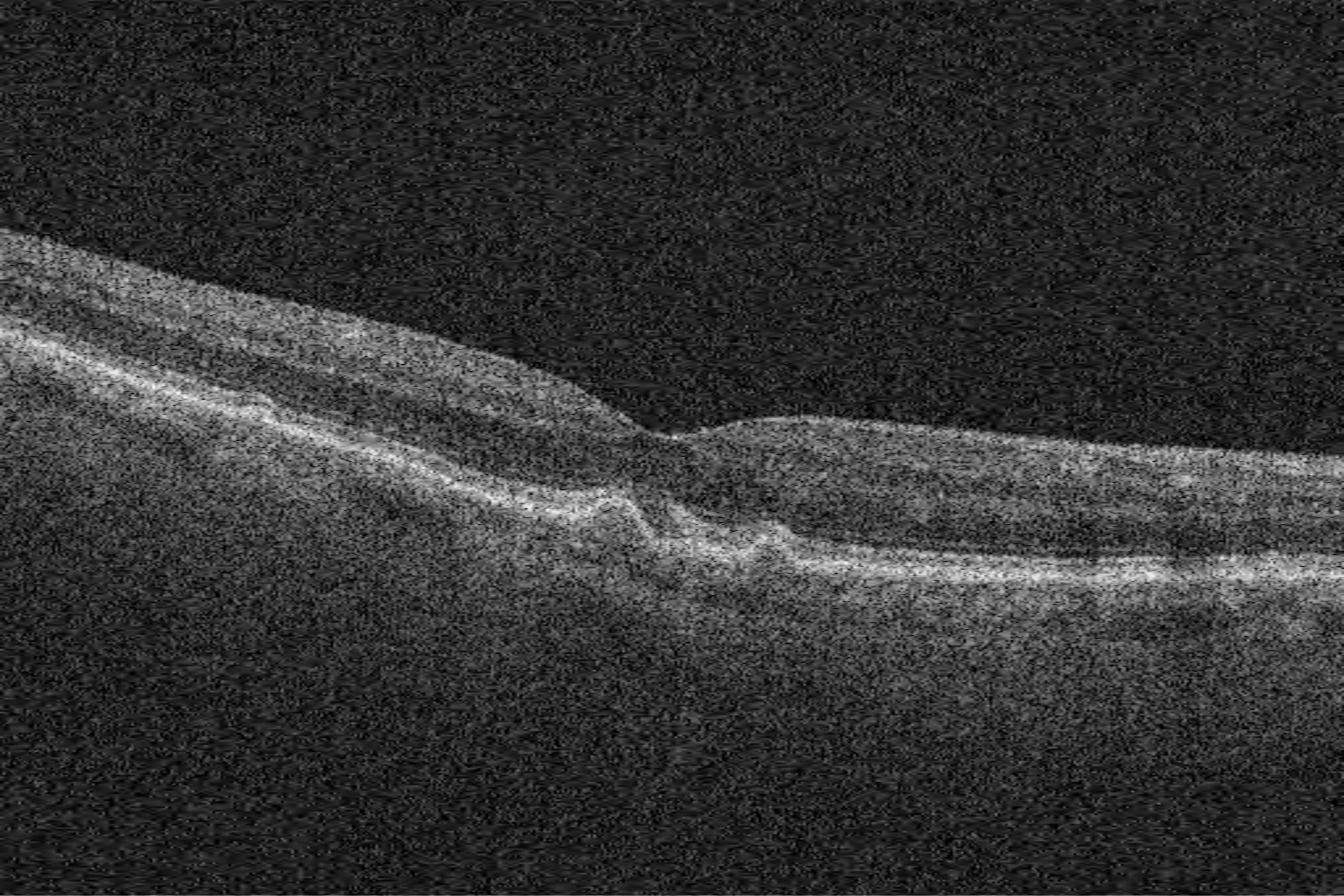
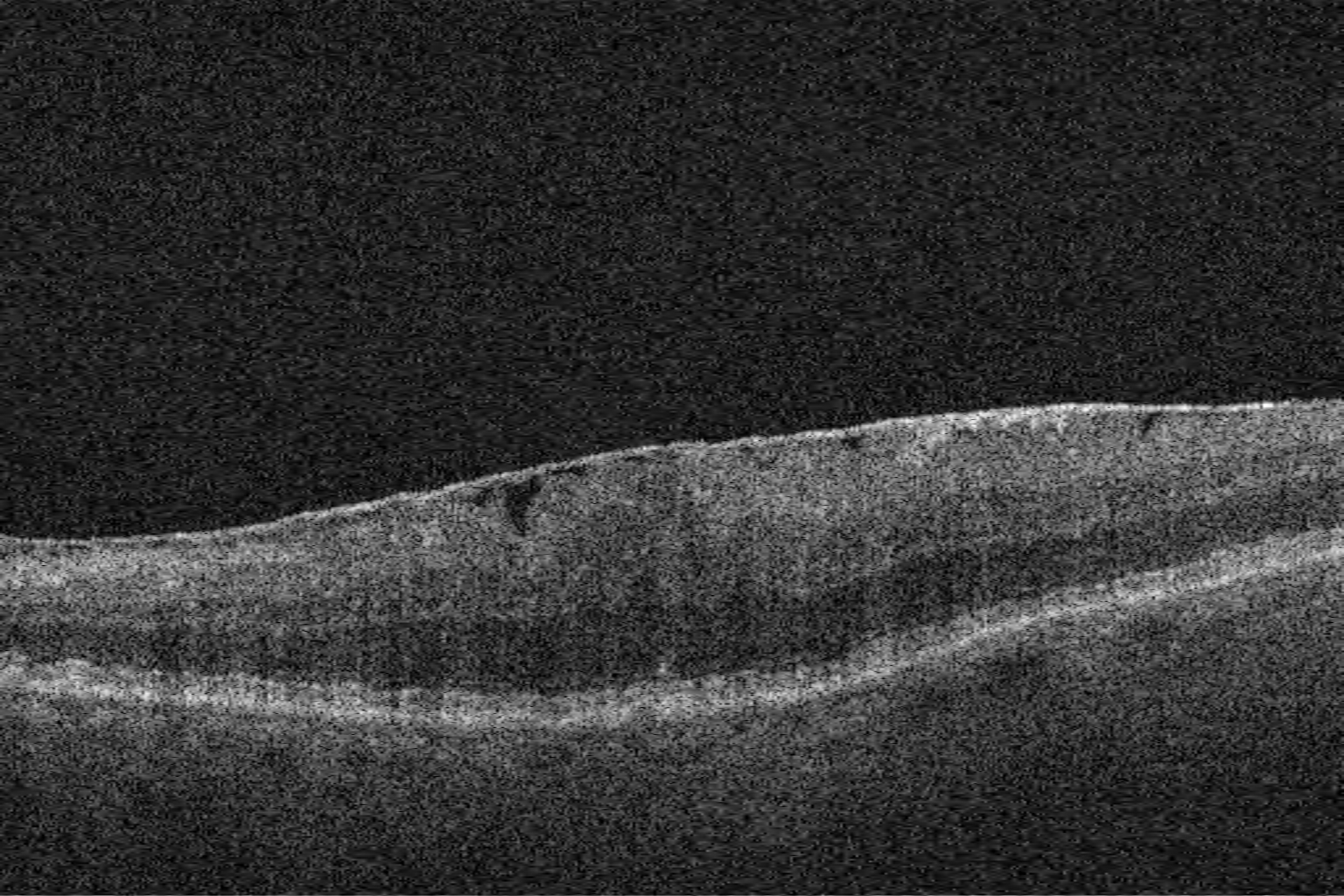
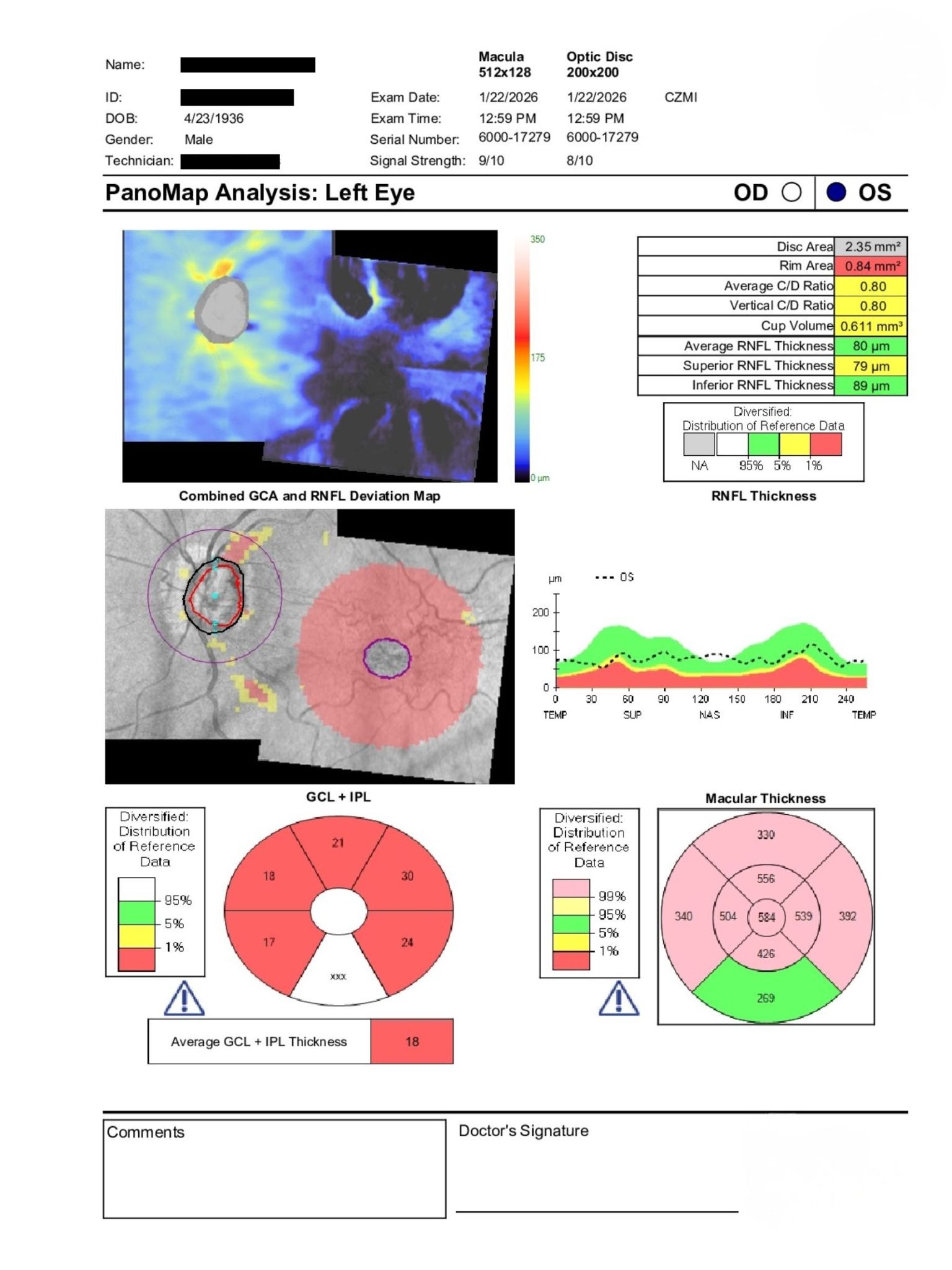
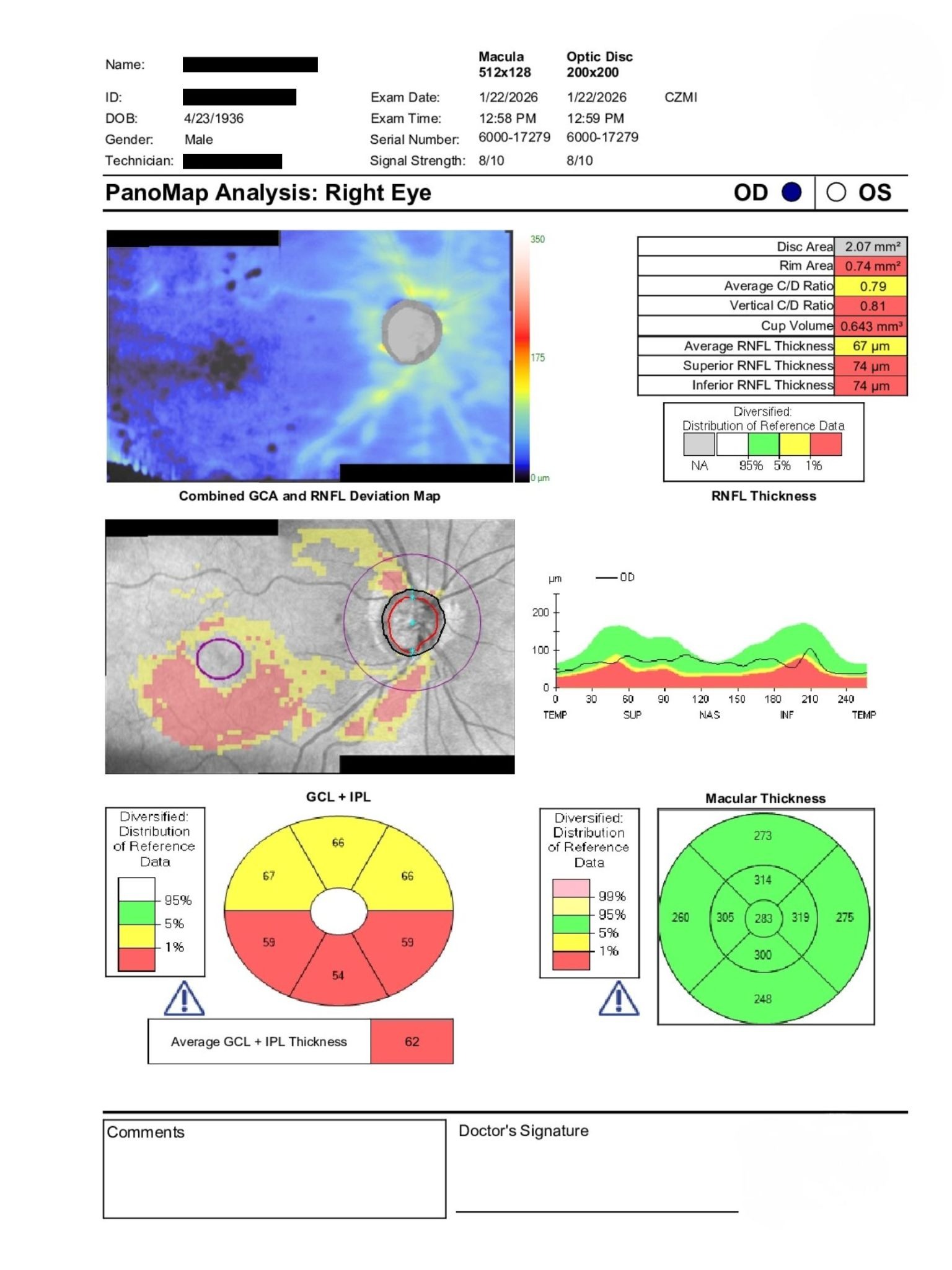
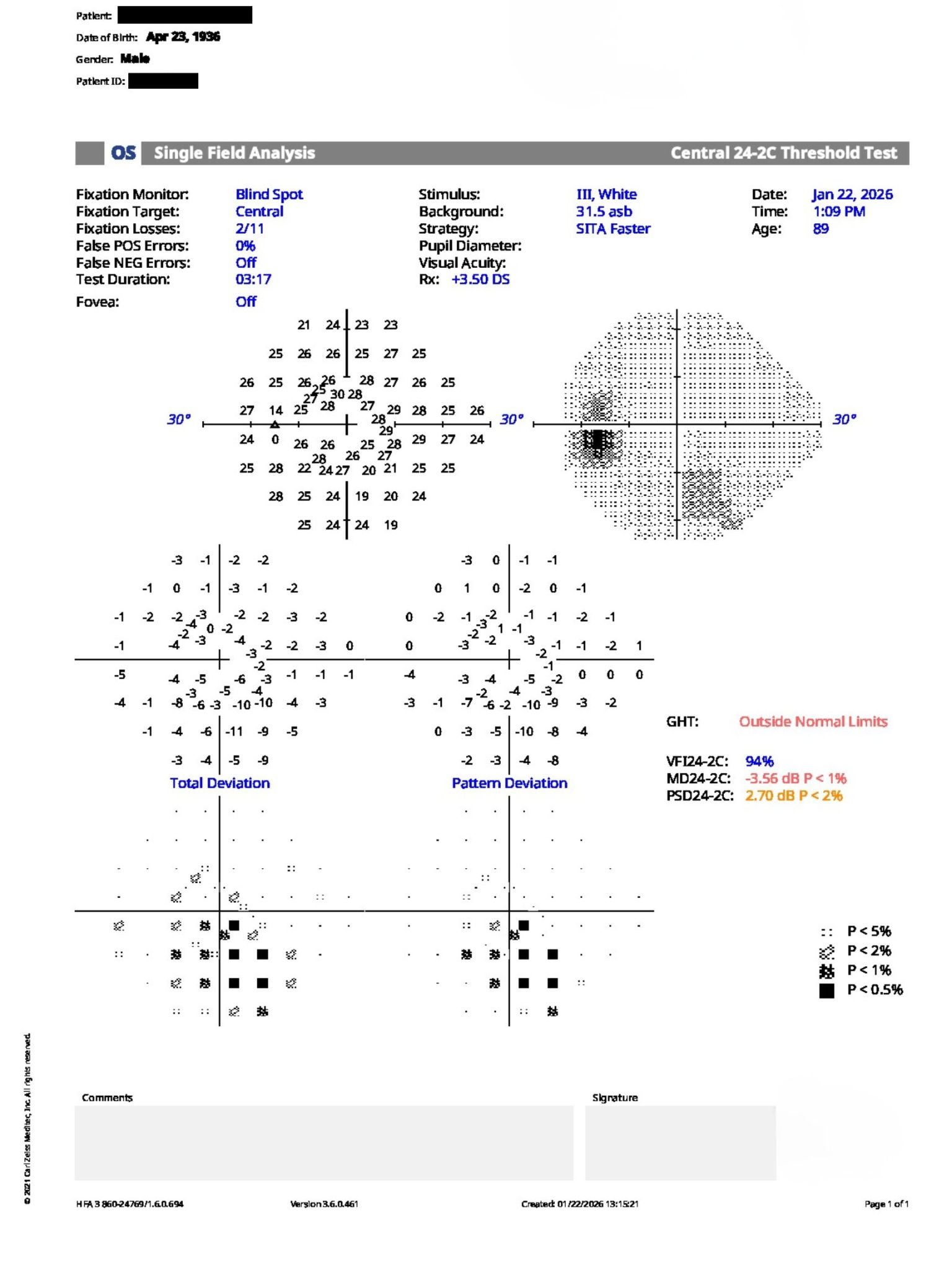
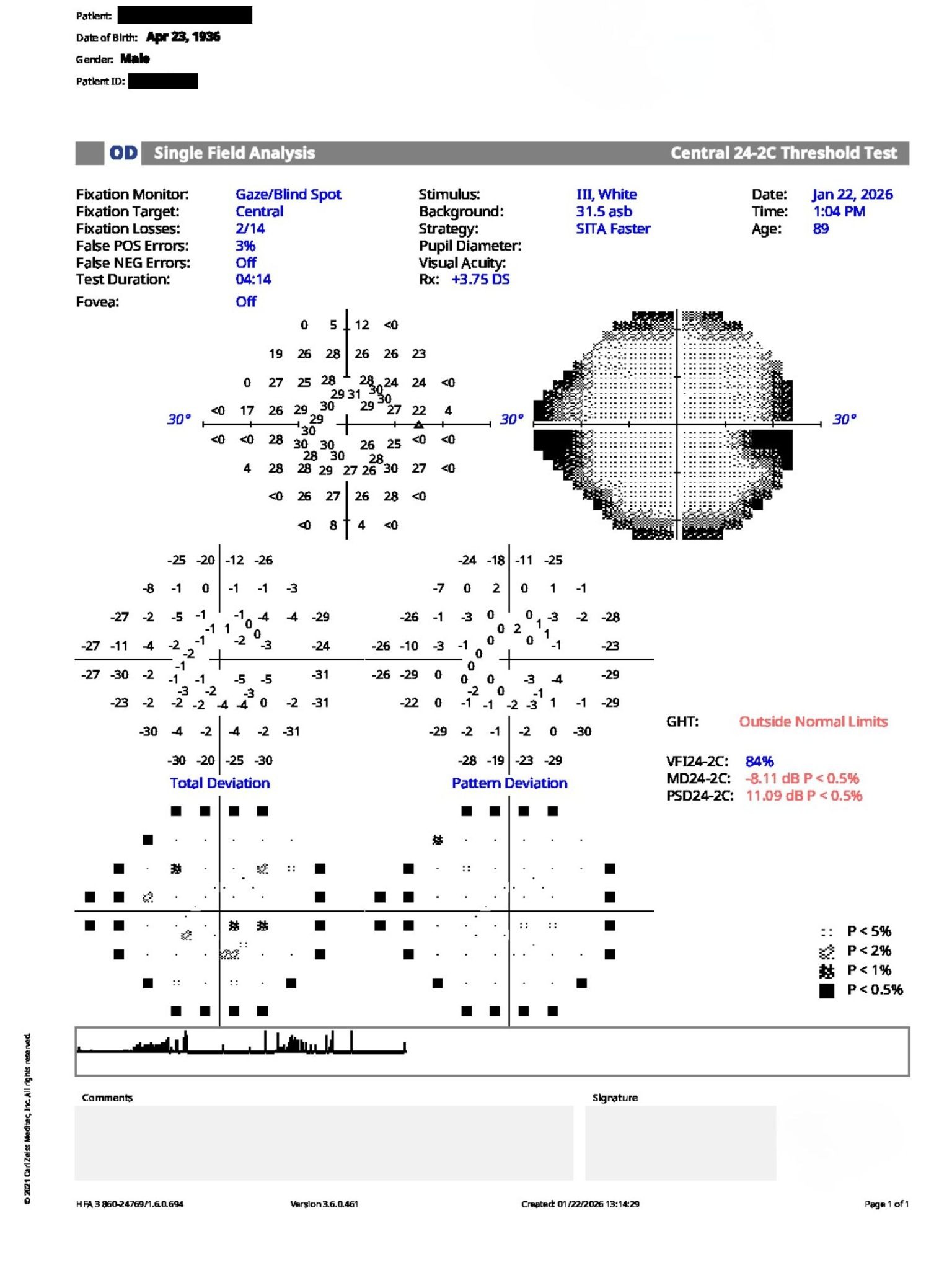
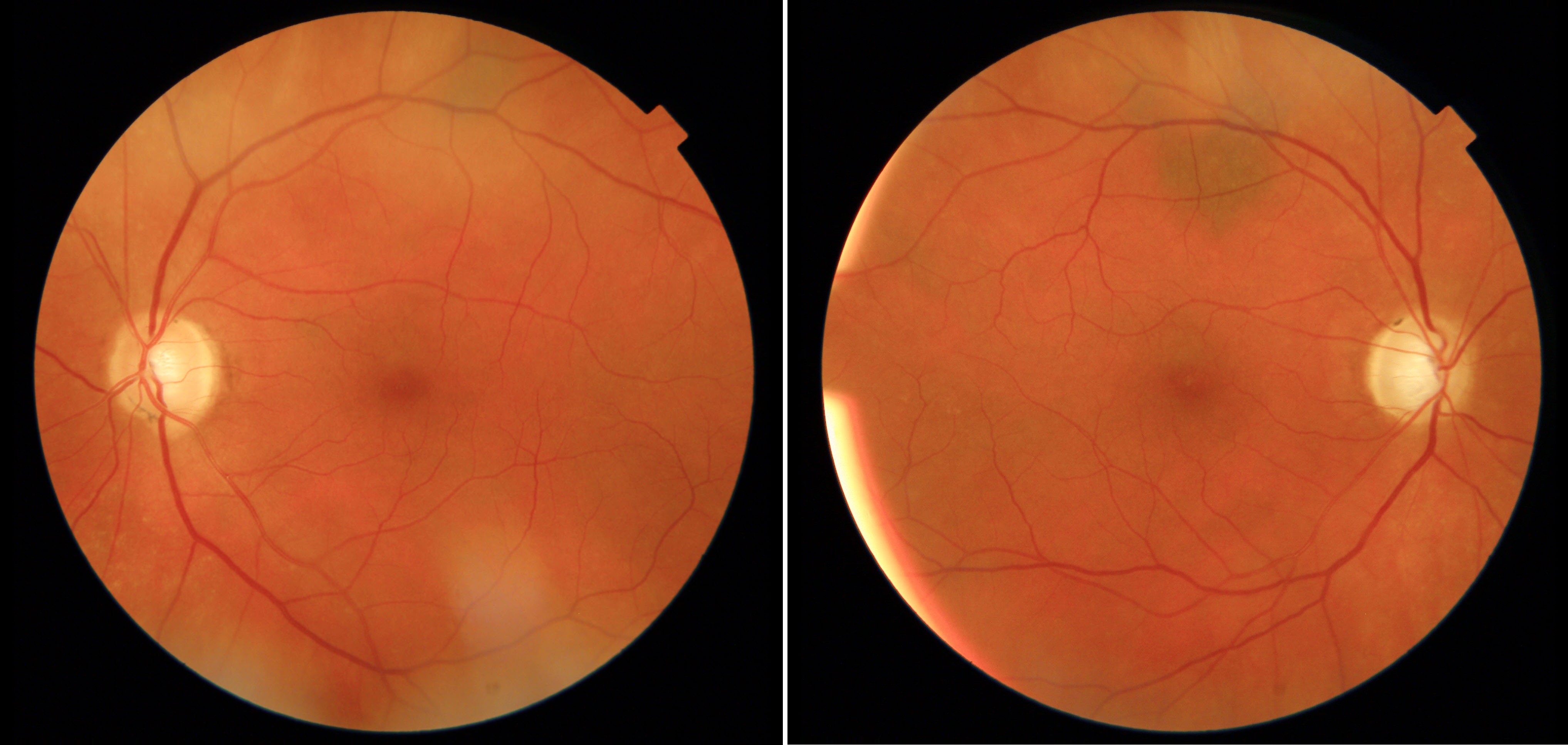
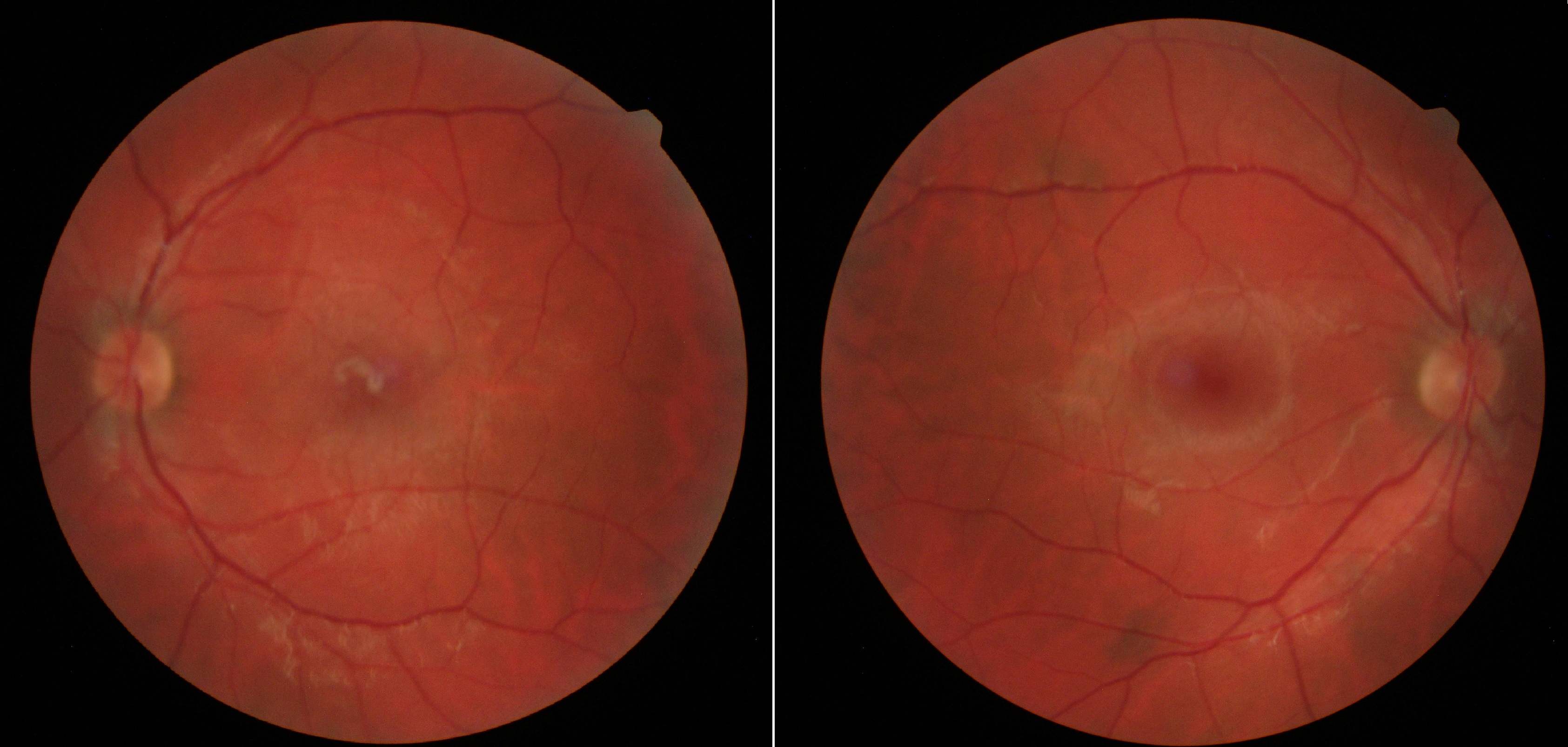
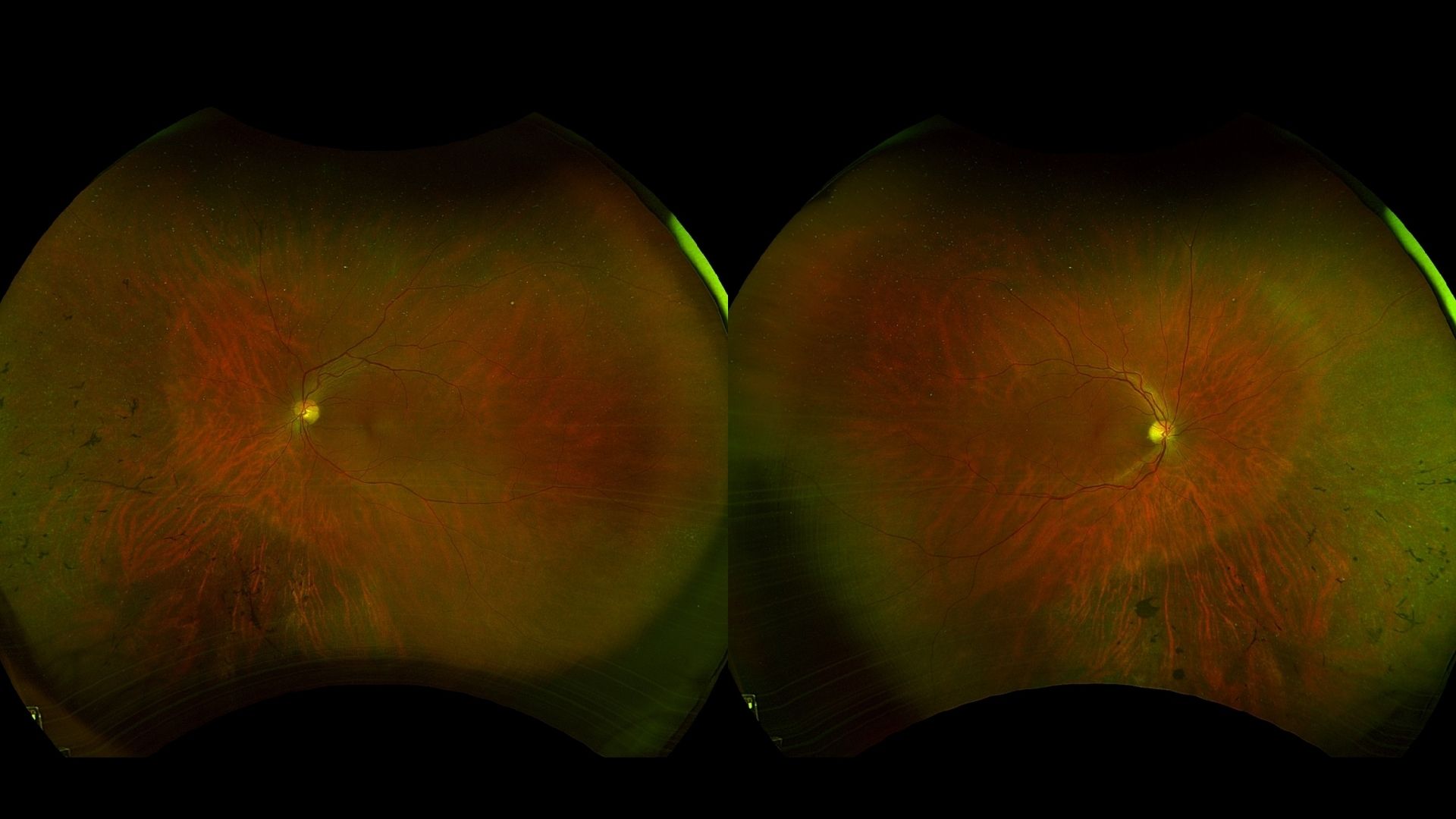
An 89-year-old male was referred for evaluation of reduced vision OS with BCVA of 20/40 compared with 20/25 OD. IOPs have remained in the mid-teens without glaucoma medications, and anterior segment findings include pseudophakia and blepharitis. Posterior segment findings include dry age-related macular changes and a significant macular surface abnormality OS with tractional changes. OCT imaging and visual field testing were reviewed.
Would surgical intervention be appropriate for the left eye tractional macular changes?
An ophthalmology subspecialist provided a virtual consult within 1-2 weeks through Care1. Scroll below to see their diagnosis.
Care1 Ophthalmologist's Teleconsult
The patient has a significant left eye macular surface abnormality with traction affecting visual function. The dry macular changes appear stable, and the glaucoma risk factors remain under observation with acceptable pressures and previous testing. Given the degree of traction and associated vision reduction, referral for retinal surgical assessment is appropriate to determine whether membrane removal would provide benefit.
Care1 AI’s Clinical Insight
Unique feature: Tractional macular distortion
Epiretinal membranes are fibrocellular proliferations that develop on the inner retinal surface and can cause retinal distortion, visual blur, and metamorphopsia. They are more common with increasing age and may occur secondary to posterior vitreous changes, inflammation, trauma, or vascular conditions. Many cases remain stable, while others can progressively affect visual function.
Unlock your full revenue potential
✔ Specialist consults within 1-2 weeks ✔ AI-powered clinical support ✔ Greater confidence in complex decision making
Epiretinal membranes are detected in approximately 7% of adults over age 40, with prevalence increasing substantially in older populations. Population-based studies using retinal imaging have shown that many cases are asymptomatic, highlighting the importance of correlating imaging findings with visual symptoms.
Reference: Mitchell P, Smith W, Chey T, Wang JJ, Chang A. Prevalence and associations of epiretinal membranes. The Blue Mountains Eye Study, Australia. Ophthalmology. 1997;104(6):1033–1040. doi:10.1016/S0161-6420(97)30185-3