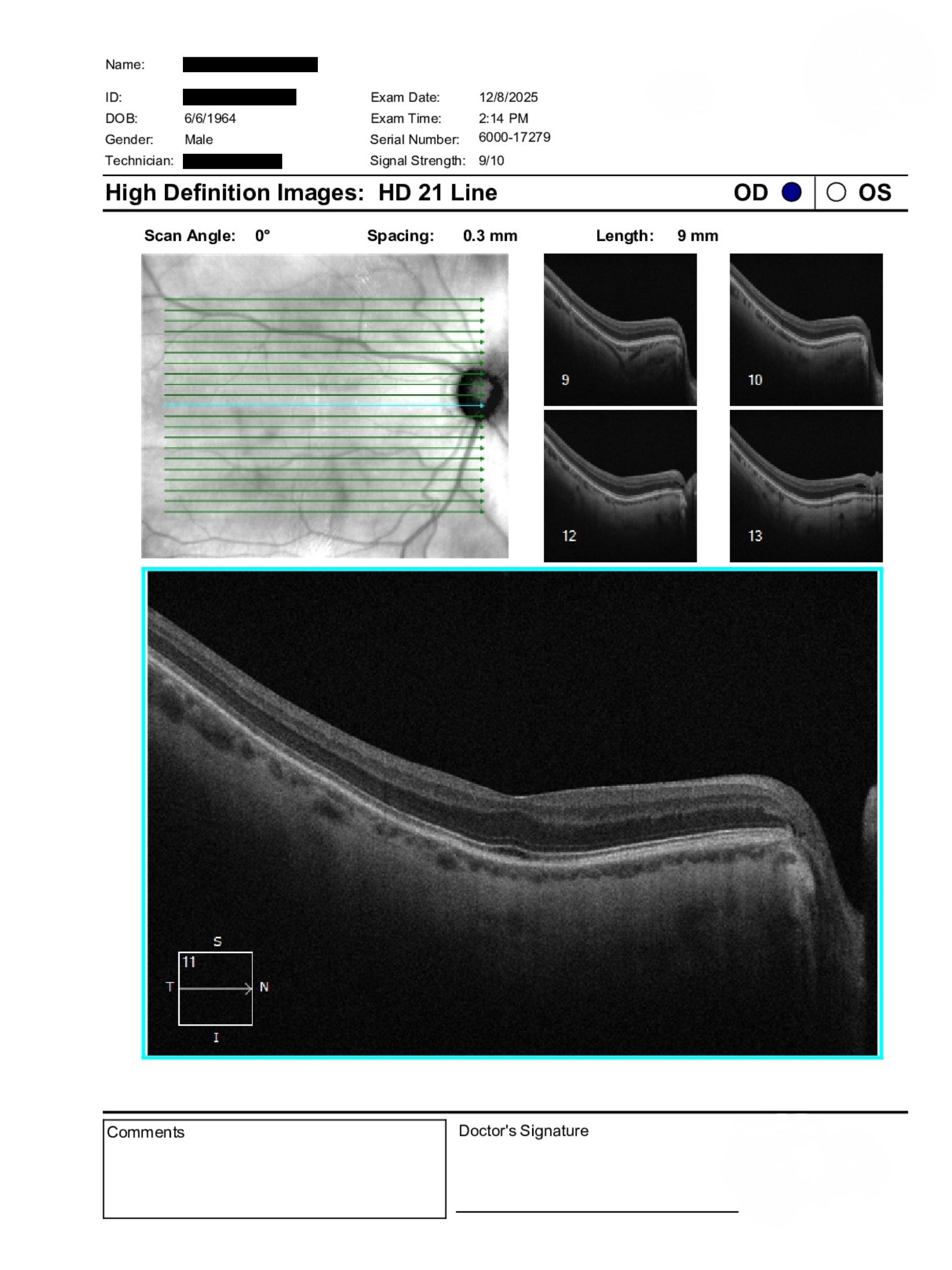
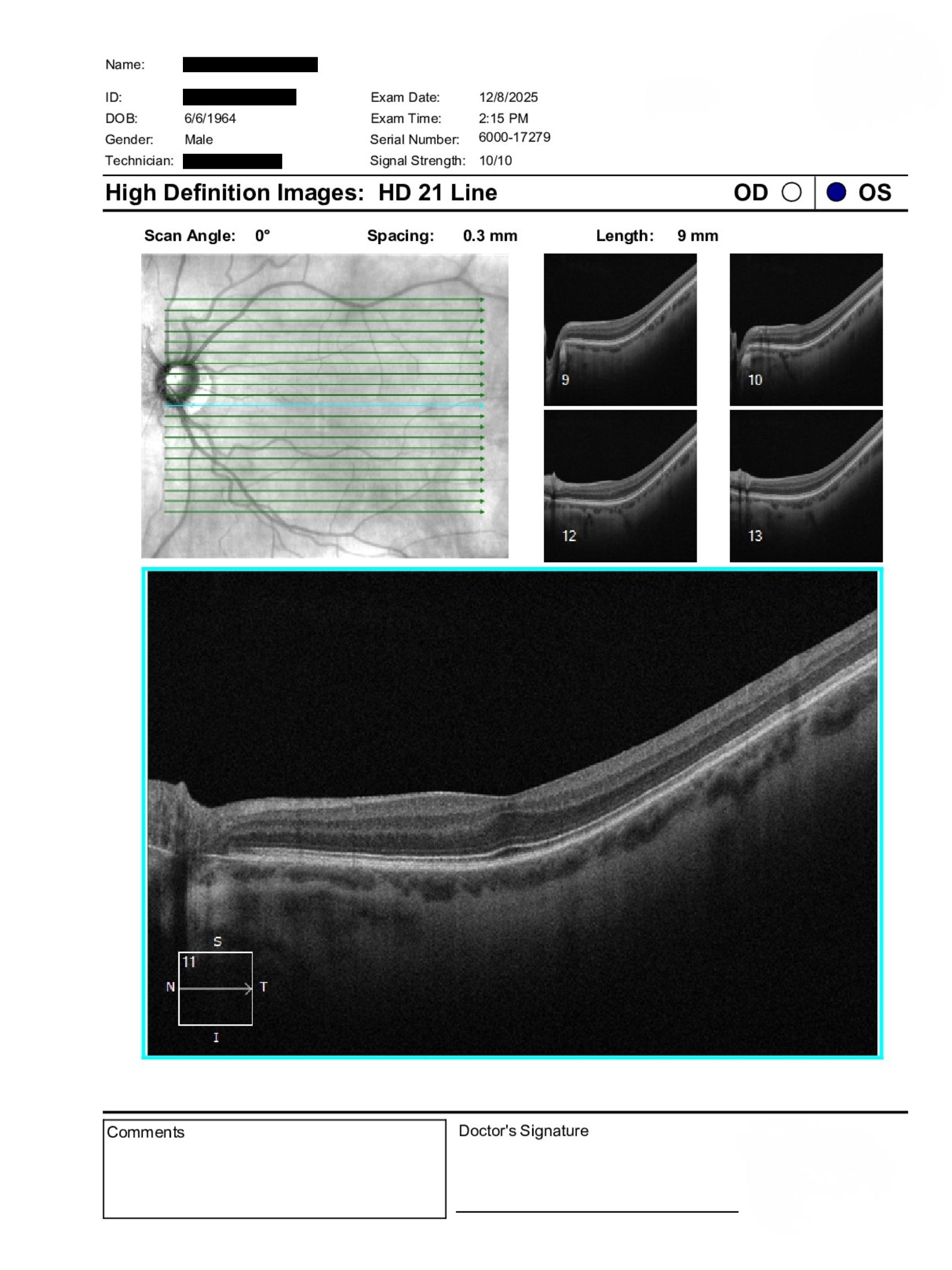
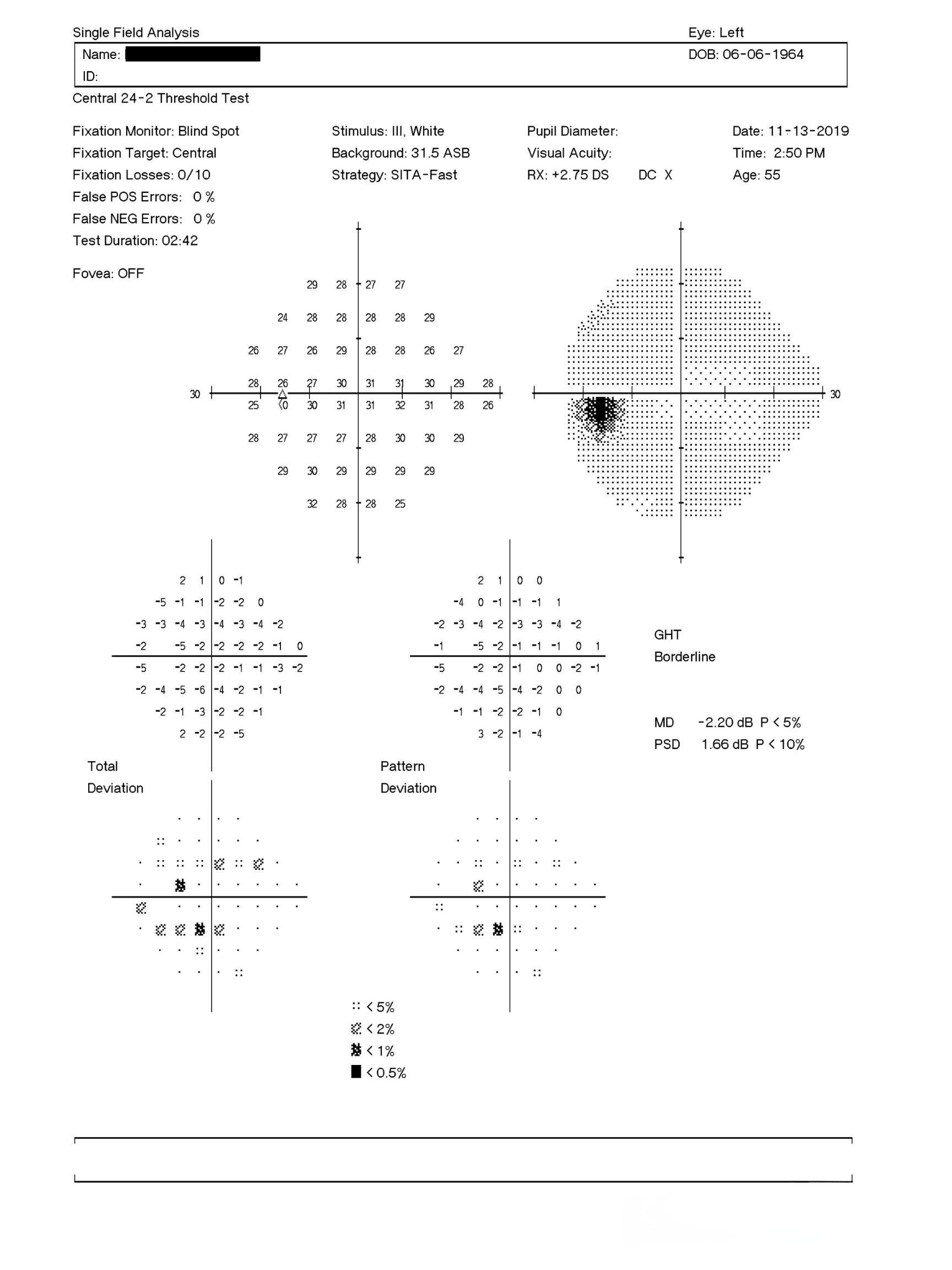
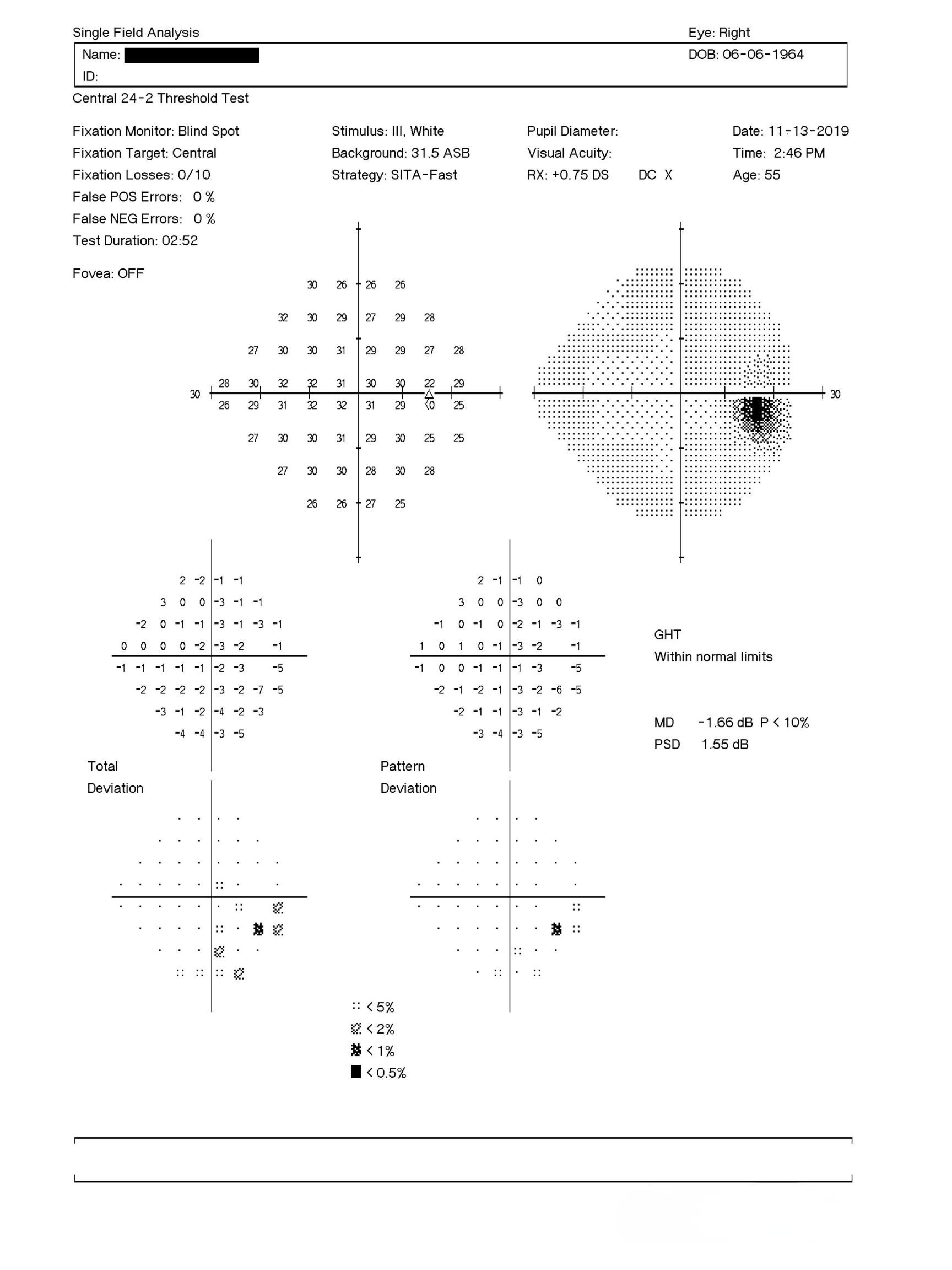
64-year-old with blurred vision concerns, elevated IOP, and optic nerve changes requiring further evaluation through specialist review.
Case Study: Elevated Eye Pressure Findings
An optometrist uploaded this case to Care1.
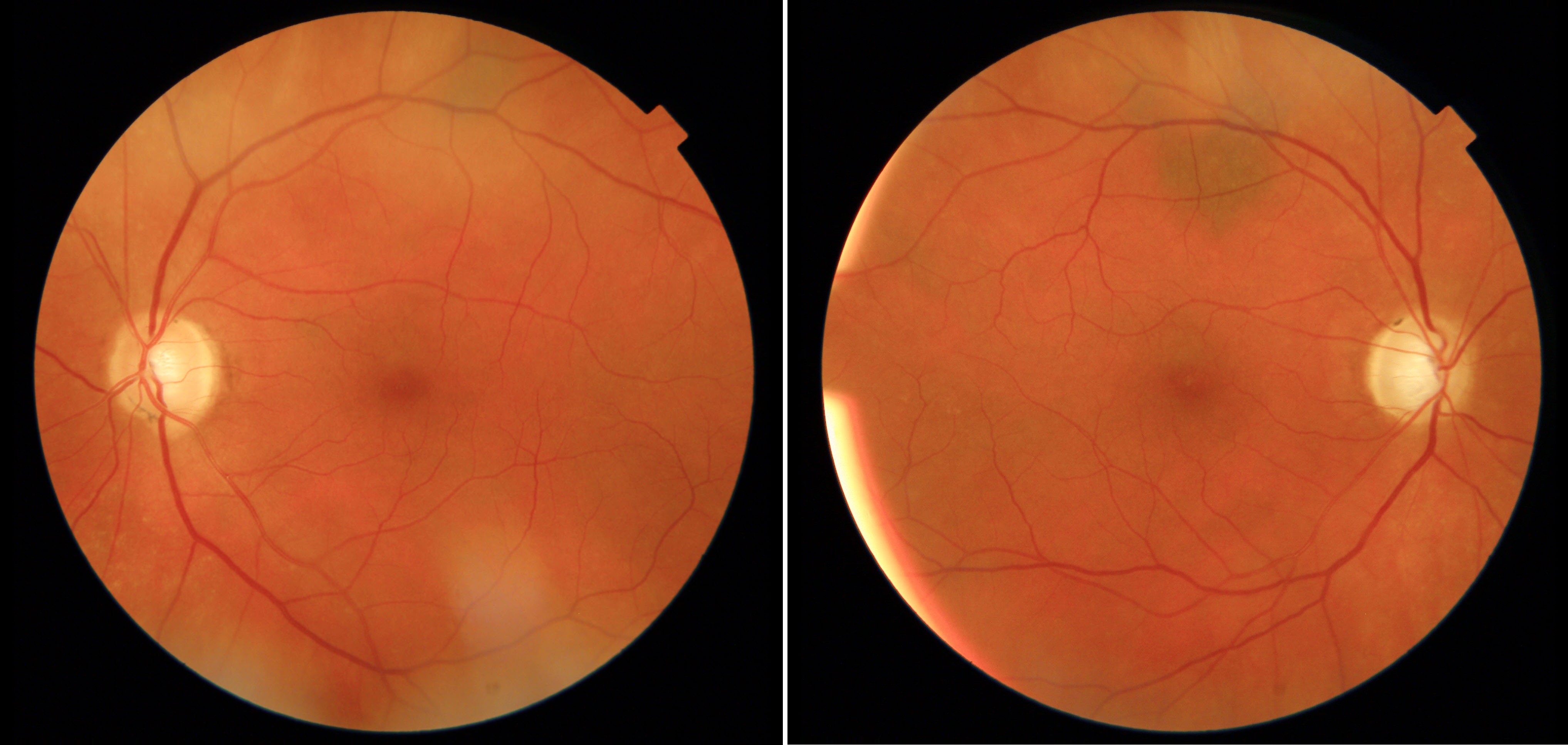
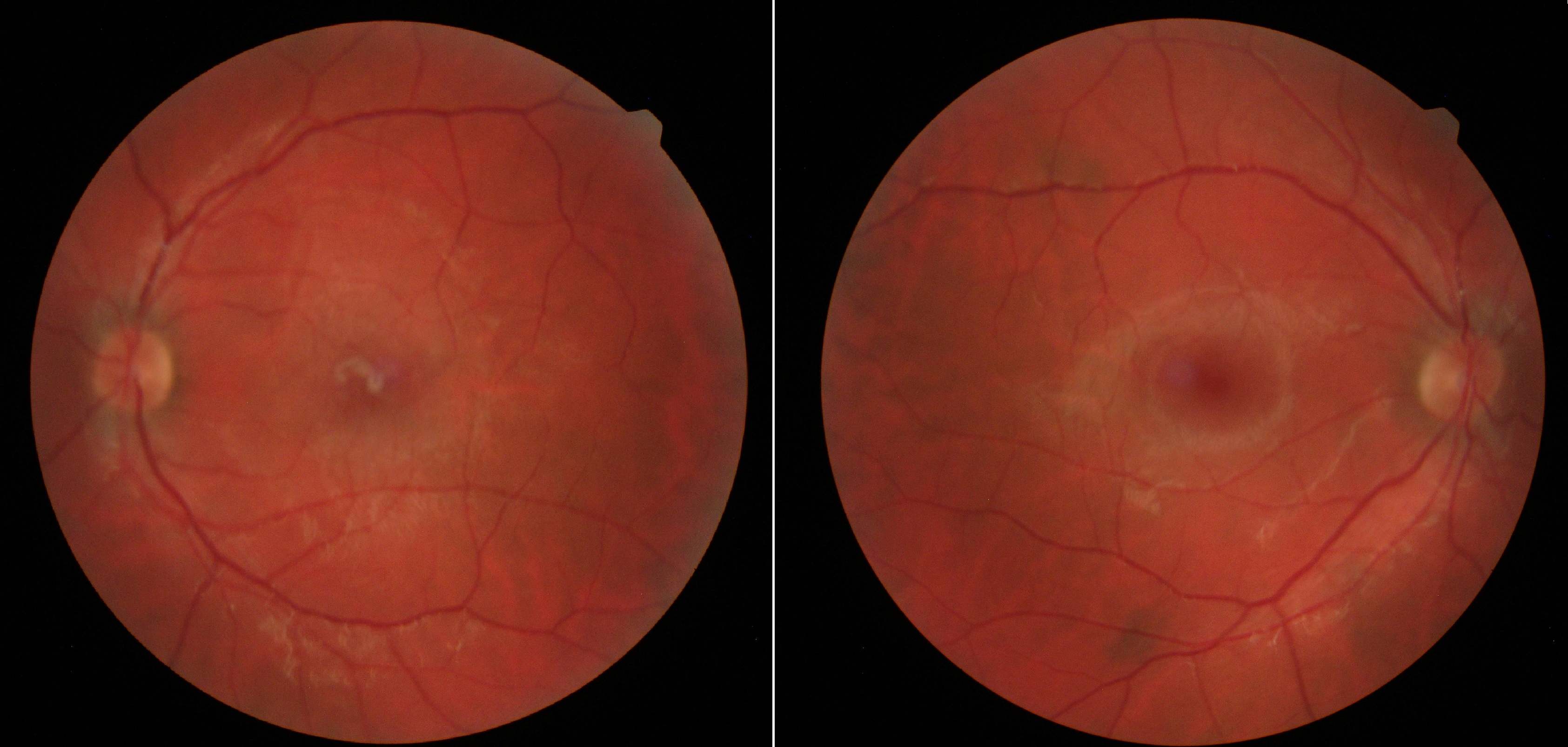
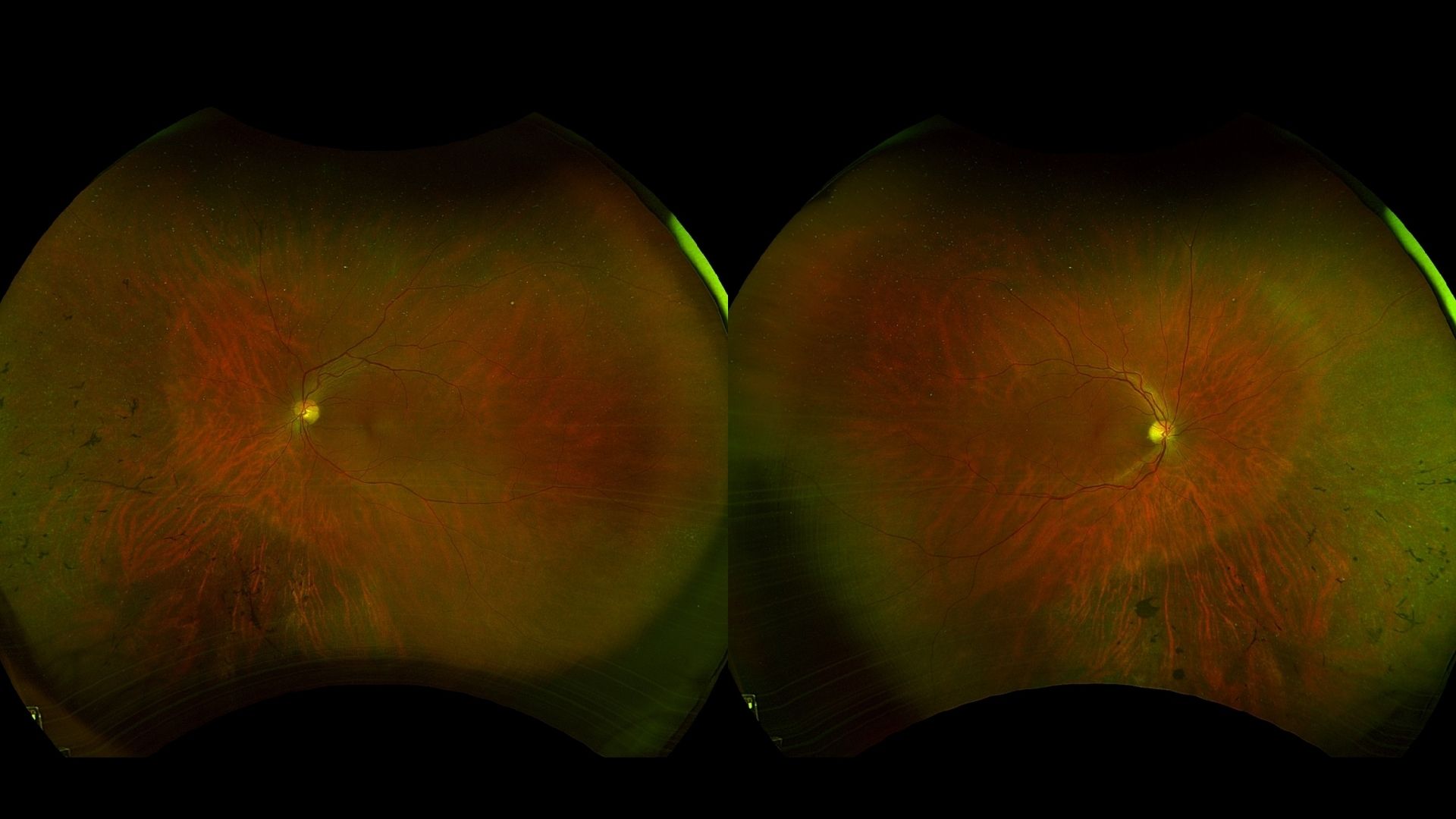
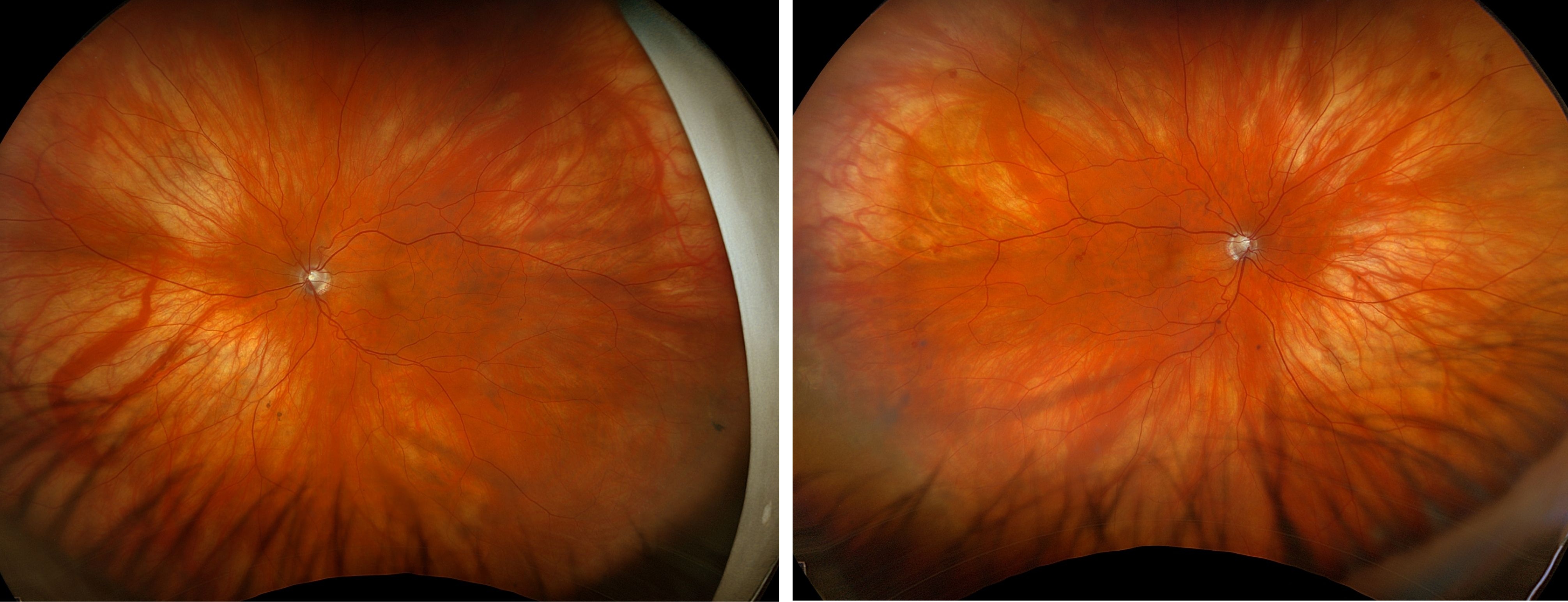
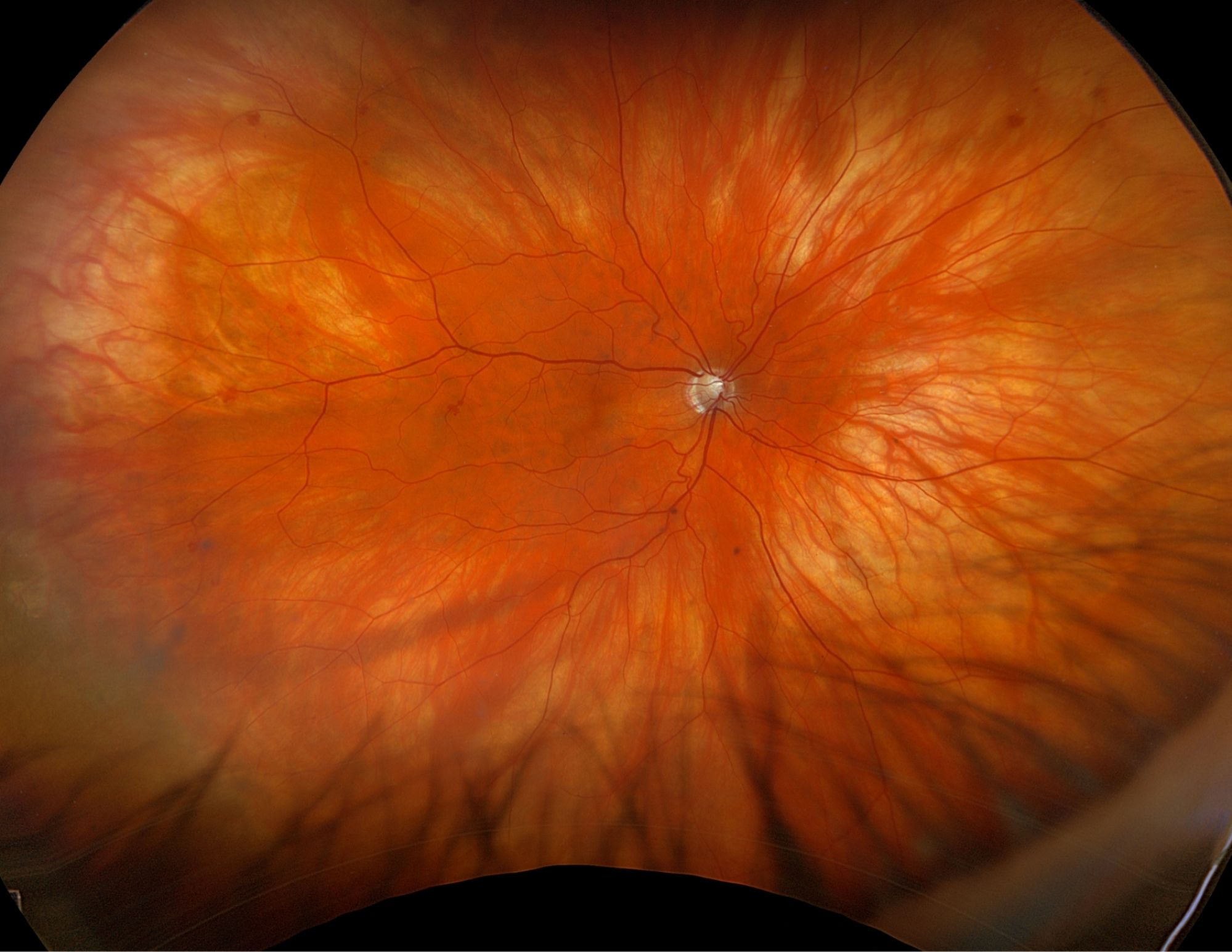
A 64-year-old patient presented for routine follow-up with concerns of blurry vision and a history of prior refractive surgery. BCVA was 20/20 OU with final correction. IOP measured 40 mmHg OD and 24 mmHg OS. Anterior segment findings included mild superficial punctate keratitis, LASIK debris, and mild nuclear sclerosis. Posterior examination showed peripheral blot hemorrhages OD with otherwise clear posterior poles.
What additional evaluation and management considerations should be addressed based on these findings?
An ophthalmology subspecialist provided a virtual consult within 1-2 weeks through Care1. Scroll below to see their diagnosis.
Care1 Ophthalmologist's Teleconsult
The patient demonstrates asymmetric pressure elevation with associated structural changes requiring further assessment. Additional testing, including functional and imaging evaluation, was recommended to better characterize risk and guide management. Continued monitoring and coordination with ophthalmology were advised.
Care1 AI’s Clinical Insight
Marked pressure asymmetry
Ocular hypertension refers to elevated intraocular pressure without detectable optic nerve damage or visual field loss. It is an important risk factor for future optic nerve disease, and risk assessment depends on factors such as pressure level, age, corneal thickness, and other clinical findings.
Studies have shown that individuals with higher baseline pressure and additional risk factors may have an increased likelihood of developing optic nerve changes over time. Long-term monitoring helps identify patients who may benefit from intervention.
Deepen your doctor-patient relationships
✔️ Shorter wait times for specialist input
✔️ More confident, transparent patient conversations
The Ocular Hypertension Treatment Study found that reducing pressure by approximately 20% lowered the risk of developing optic nerve disease over five years from about 9.5% to 4.4% in higher-risk individuals.
Reference: Kass MA, Heuer DK, Higginbotham EJ, et al. The Ocular Hypertension Treatment Study: a randomized trial determines that topical ocular hypotensive medication delays or prevents the onset of optic nerve damage. Arch Ophthalmol. 2002;120(6):701–713. doi:10.1001/archopht.120.6.701

.jpg)