A routine eye exam can uncover much more than vision changes. Learn how collaborative care helps connect patients with specialists faster, creating a smoother, more confident care journey.
Seeing the Bigger Picture: How Collaborative Care Transforms Patient Journeys in Optometric Practice
“Sometimes what starts as a routine glasses appointment becomes an opportunity to detect something far more significant at the back of the eye. How we respond in that moment can completely change a patient’s experience of care.”
In optometric practice, most visits are straightforward. But occasionally, a routine exam reveals something unexpected and that’s where connected, collaborative care makes all the difference.
When a Routine Exam Becomes Something More
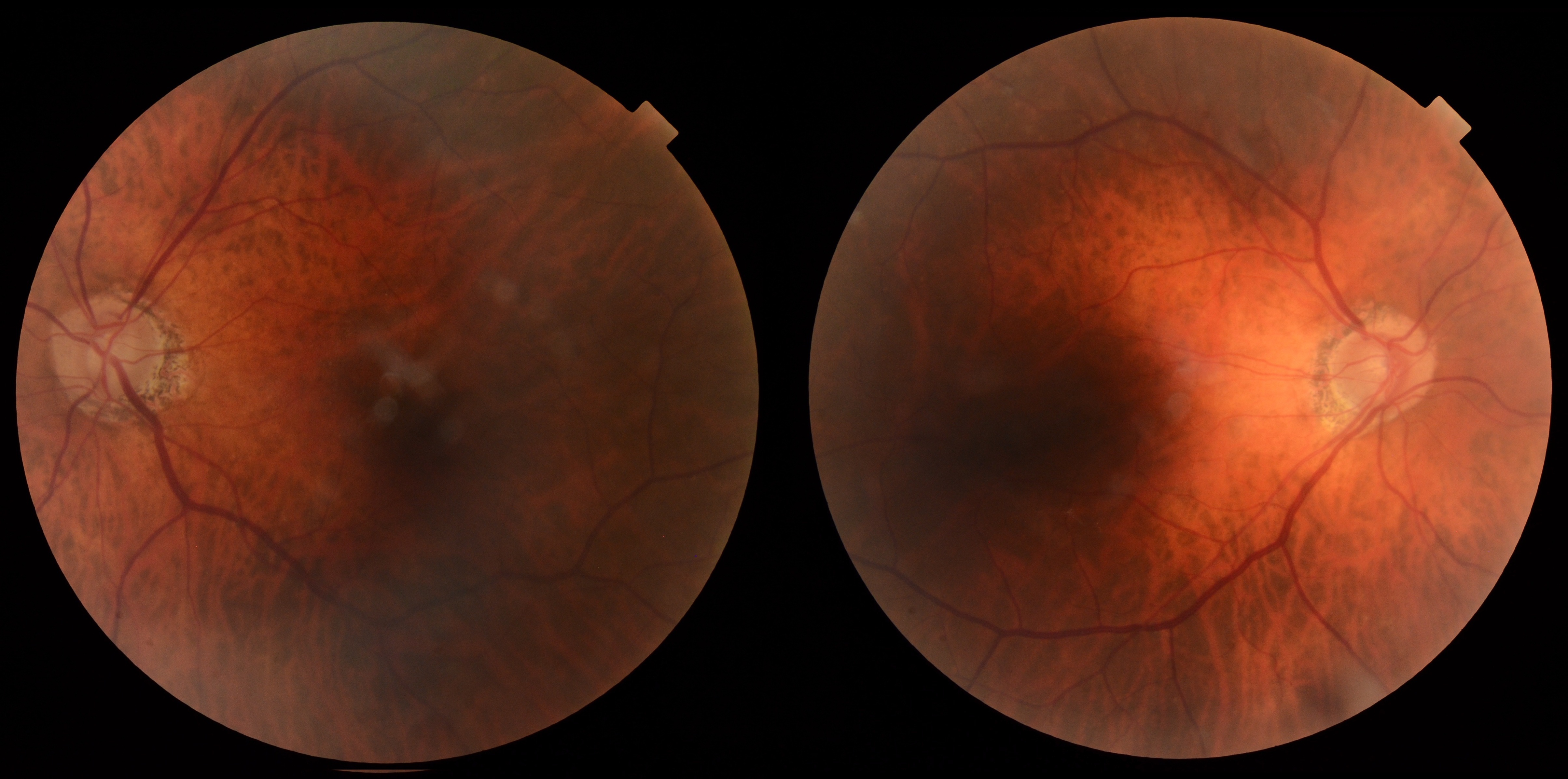
A common scenario: a patient in their 40s comes in for new glasses. During the exam, subtle signs like drusen appear, indicating early dry macular degeneration.
It’s unexpected. It creates concern.
Clinically, the next steps are clear; educate, reassure, monitor. But beyond that moment, care often becomes fragmented.
With Care1, an ophthalmology specialist can provide a virtual consult within 1-2 weeks.
The Gap Isn’t Care. It’s Coordination
Traditionally, patients move through a multi-step referral pathway: family doctor, ophthalmologist, repeated appointments, repeated explanations.
Everyone is doing their job. But the experience? Slow, disconnected, and often anxiety-inducing.
The issue isn’t quality of care. It's a lack of coordination.
A Better Way: Connected Care from the Start
Now imagine a different approach.
At the initial visit, I can initiate collaborative care consultation with a retina specialist, right away.
Instead of sending the patient into the system, I can say: “I’d like a specialist to review this, and I’ll arrange that for you.”
That shift delivers what patients actually need:
Faster answers
Clear communication
Aligned providers
Fewer unnecessary visits
Most importantly, it builds confidence. Patients feel supported by a team, not left to navigate care alone.
Deepen your doctor-patient relationships
✔️ Shorter wait times for specialist input
✔️ More confident, transparent patient conversations
These moments happen every day in optometry. What’s changed isn’t what we detect, it’s how we can respond.
With collaborative care, we move from isolated decision-making to connected, patient-centered journeys.
Final Thoughts
The biggest improvements in care don’t always come from new technology alone, they come from better communication.
Collaborative care ensures that when something concerning is found, the patient isn’t simply referred onward. They’re guided, supported, and cared for every step of the way.
About Dr. Jeff Goodhew
Dr. Jeff Goodhew is an optometrist with a focus on comprehensive eye care and collaborative management of ocular disease. He is passionate about improving patient pathways through early detection, clear communication, and collaborative care models that connect optometry and ophthalmology for more efficient, patient centred outcomes.