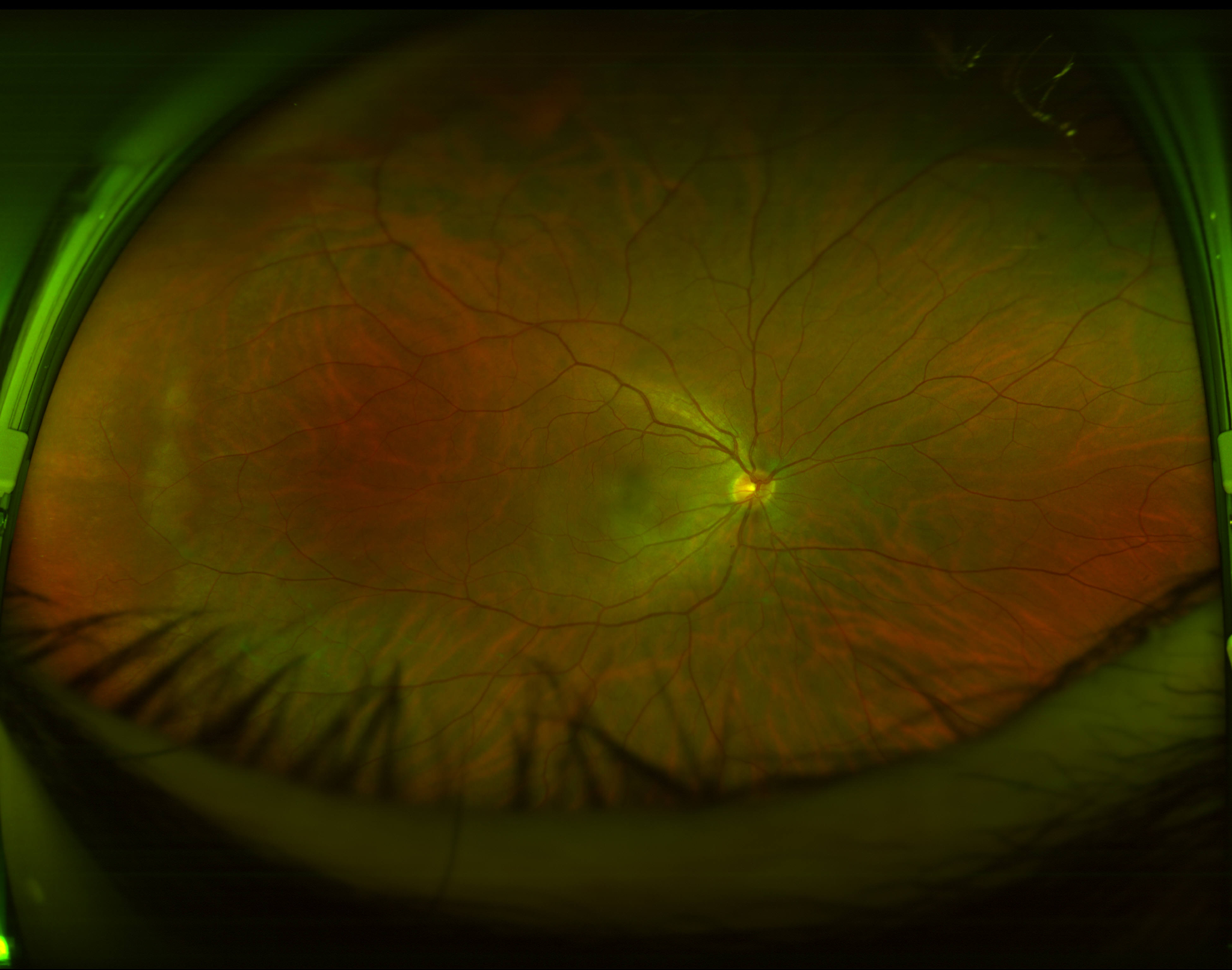
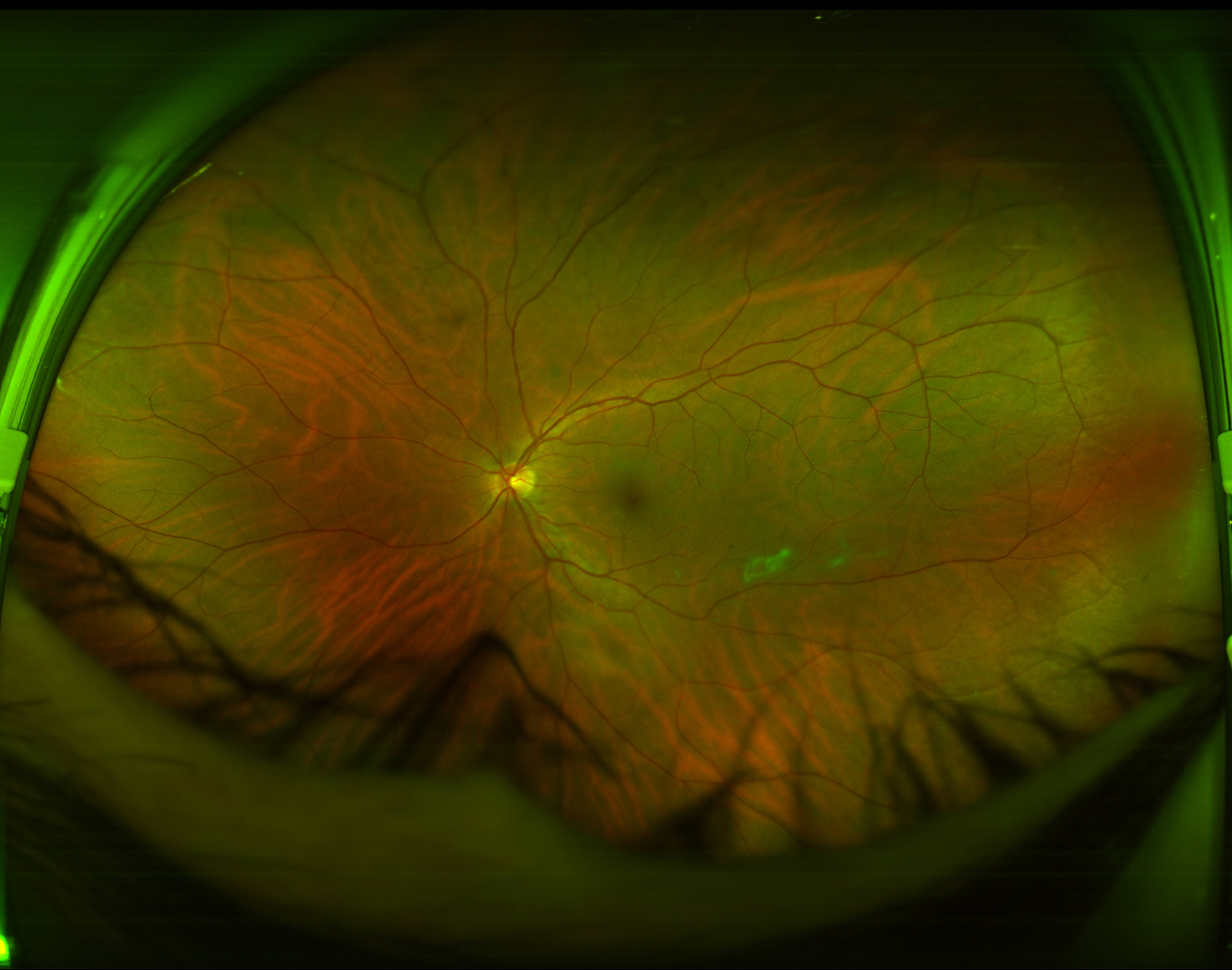
37-year-old with floaters and blurred vision, high myopia, and vitreous changes requiring specialist evaluation.
Case Study: Persistent Floaters Blurred Vision
An optometrist uploaded this case to Care1.
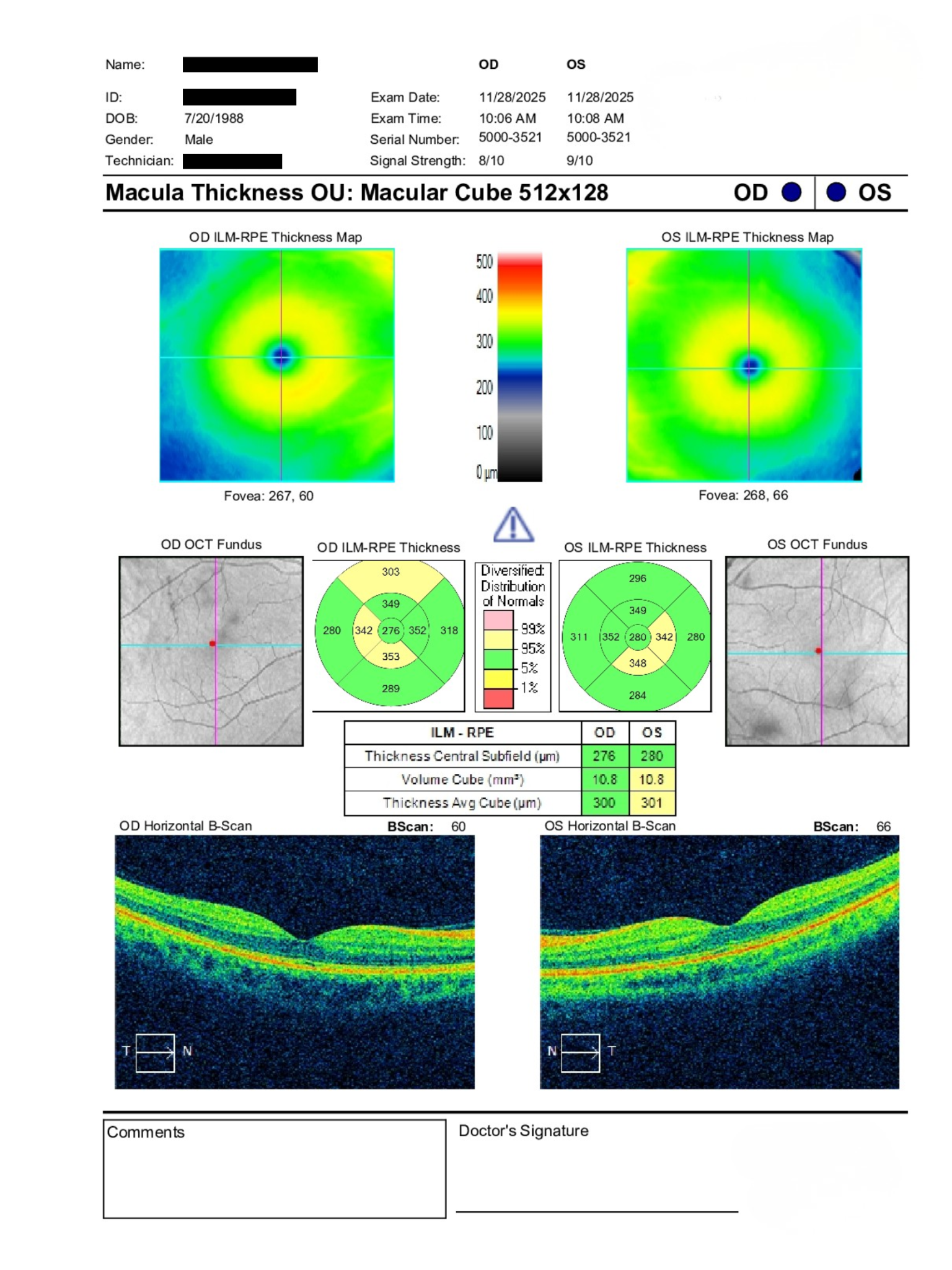
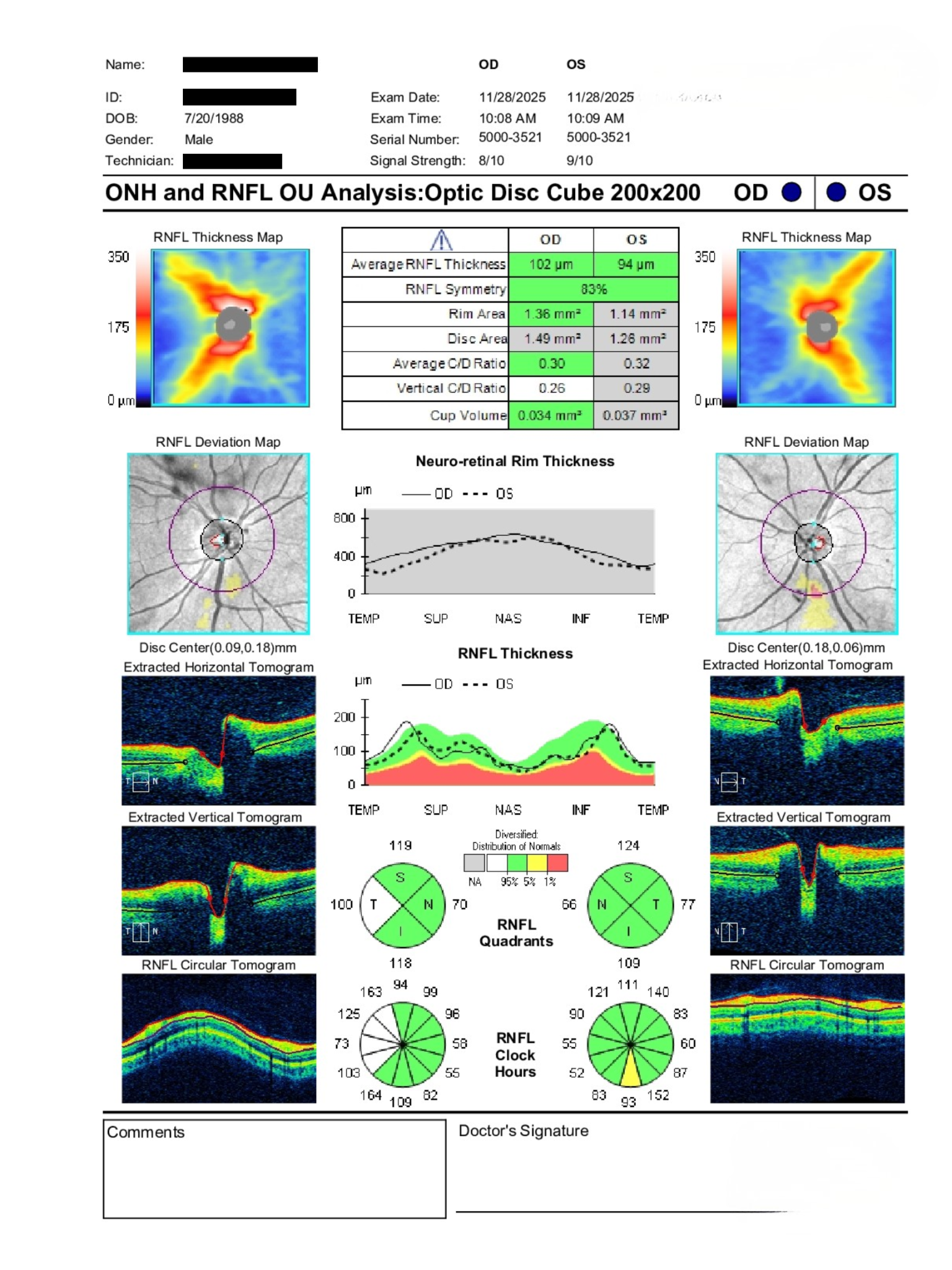
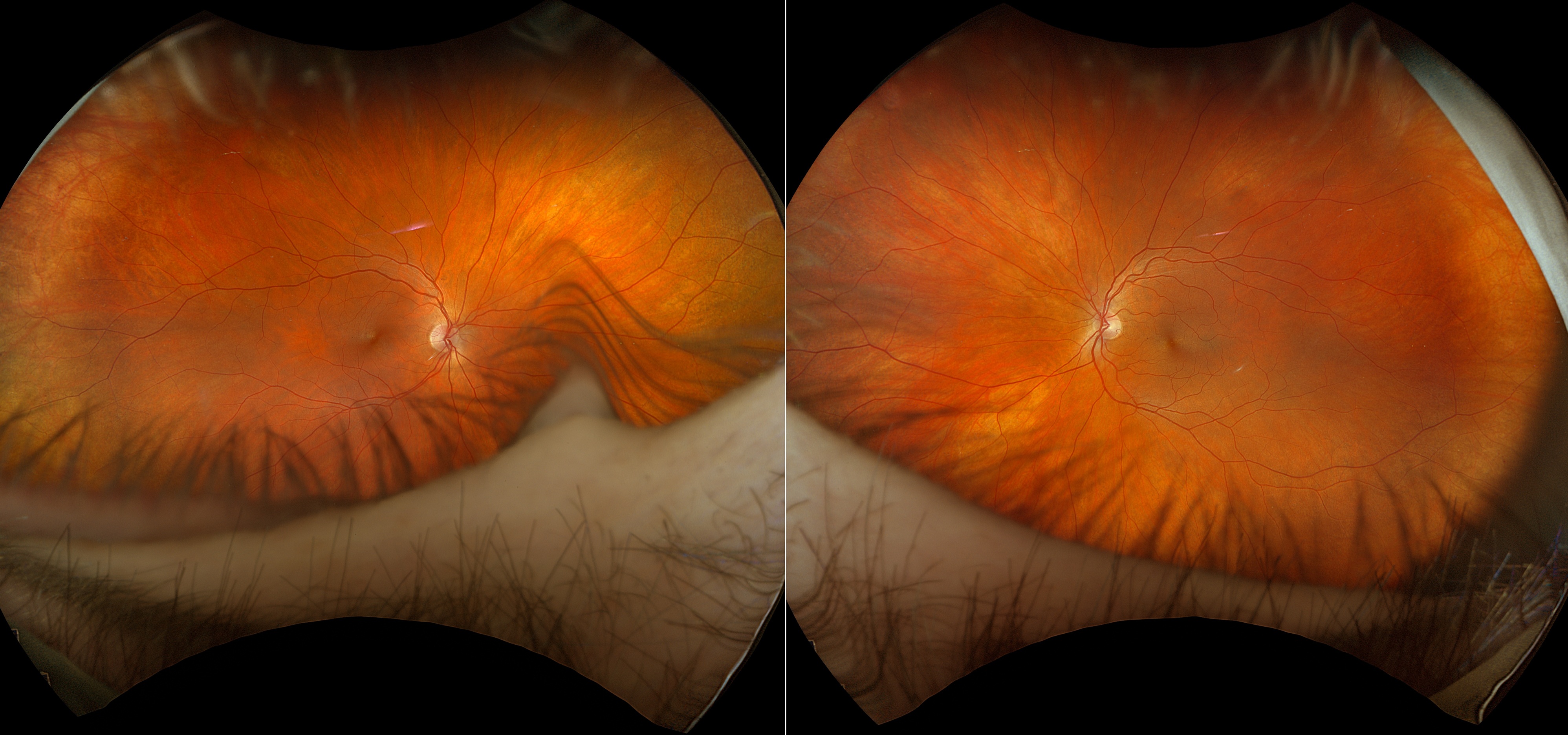
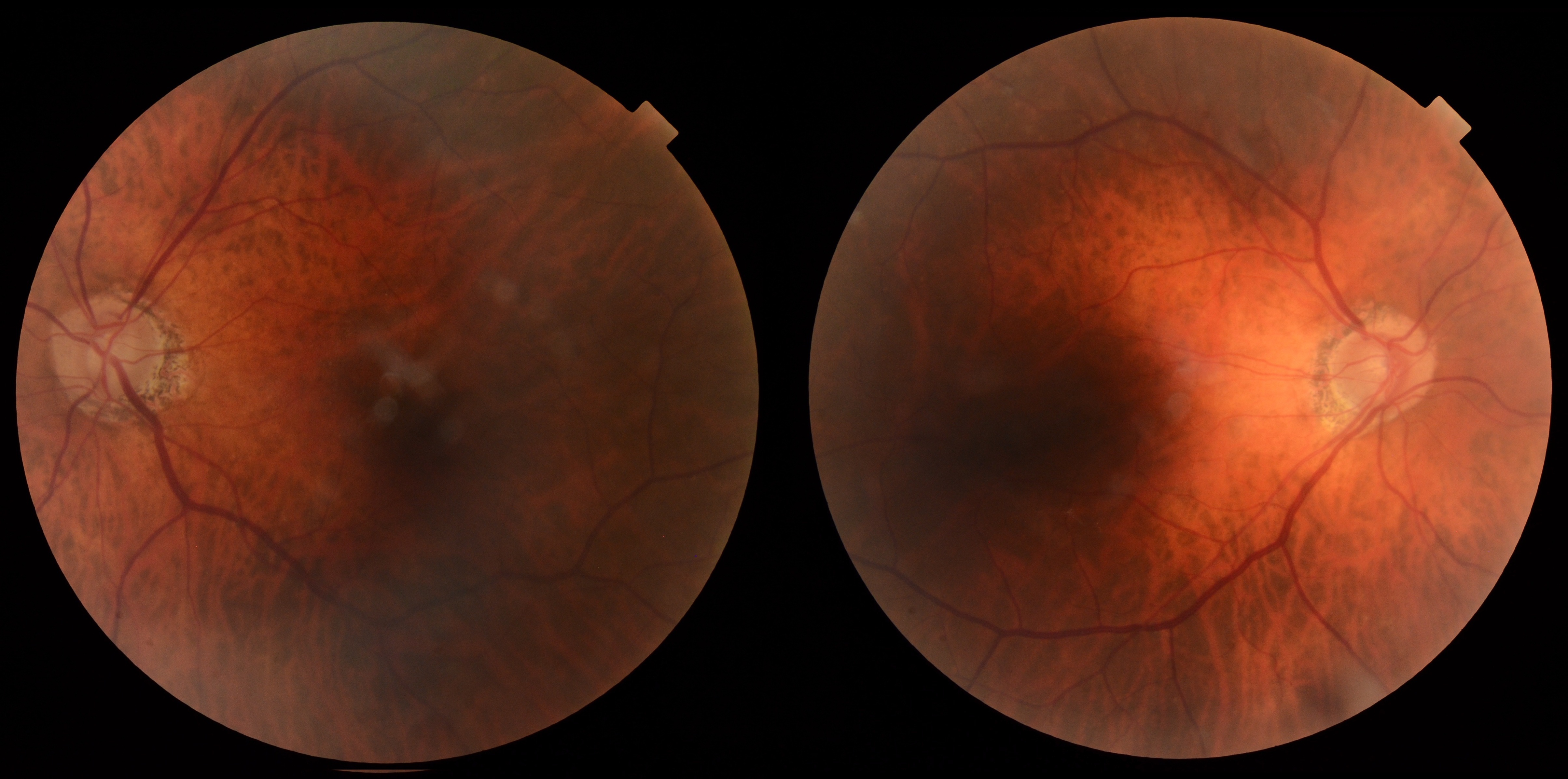
A 37-year-old male was referred for evaluation of symptomatic floaters and visual disturbance in the setting of high myopia. BCVA was 20/20 OD and 20/25 OS. IOP measurements were not documented. Anterior segment examination showed mild meibomian gland dysfunction with blepharitis and contact lens wear. Posterior segment findings included increased vitreous syneresis and white without pressure changes. A possible optic nerve structural anomaly was noted in the left eye.
Given the patient’s persistent symptomatic floaters and high myopia, would you recommend observation versus consideration of surgical intervention at this stage?
A retina specialist provided a virtual consult within 1-2 weeks through Care1. Scroll below to see their diagnosis.
Care1 Ophthalmologist's Teleconsult
The reviewing ophthalmologist noted significant symptomatic vitreous degeneration in a relatively young, highly myopic patient. The role of pharmacologic vitreolysis was discussed, with prior use of ocriplasmin now discontinued due to limited efficacy and safety concerns.
Surgical intervention via pars plana vitrectomy was considered the only effective option for severe symptomatic floaters. However, caution was emphasized given the patient’s age and increased risk profile, including cataract formation and surgical complications.
The recommendation was to proceed conservatively unless symptoms become significantly disabling, with consideration of in-person consultation if the patient wishes to explore surgical options further.
Care1 AI Clinical Insight
Vitreous syneresis and floaters are commonly associated with age-related liquefaction of the vitreous gel and posterior vitreous changes. These opacities can cast shadows on the retina, producing symptoms of moving spots or cobweb-like visual disturbances.
In many cases, symptoms are benign and patients adapt over time. However, sudden onset or progression of floaters warrants evaluation to exclude associated retinal pathology.
Deepen your doctor-patient relationships
✔️ Shorter wait times for specialist input
✔️ More confident, transparent patient conversations
Floaters are more frequently symptomatic in myopic eyes due to earlier vitreous degeneration and liquefaction. Studies show that vitreous structural changes can occur significantly earlier in high myopia compared to emmetropic eyes.
Reference: (Sebag J. Vitreous: in health and disease. Ophthalmology. 2014.)

.jpg)