Practical retina insights from Dr. Chhabra: when to monitor vs refer, common PVD & lattice cases, and key red flags you can’t miss.
Medical Retina Insights Dinner Summary
Featuring Dr. Mohit Chhabra
Purpose of the Evening
Dr. Chhabra framed the session around everyday clinical decision-making in medical retina, with a focus on:
Common retinal findings seen in optometric practice
Practical referral decision-making (what needs to go, what can be monitored)
Reducing uncertainty in peripheral retinal findings
Strengthening communication between optometry and retina care teams
Using evolving imaging tools to support clinical judgement
A key theme introduced early was that while technology continues to evolve (OCT, Optos, in-office angiography), the fundamentals remain unchanged: careful examination, clinical context, and communication are still central to good care.
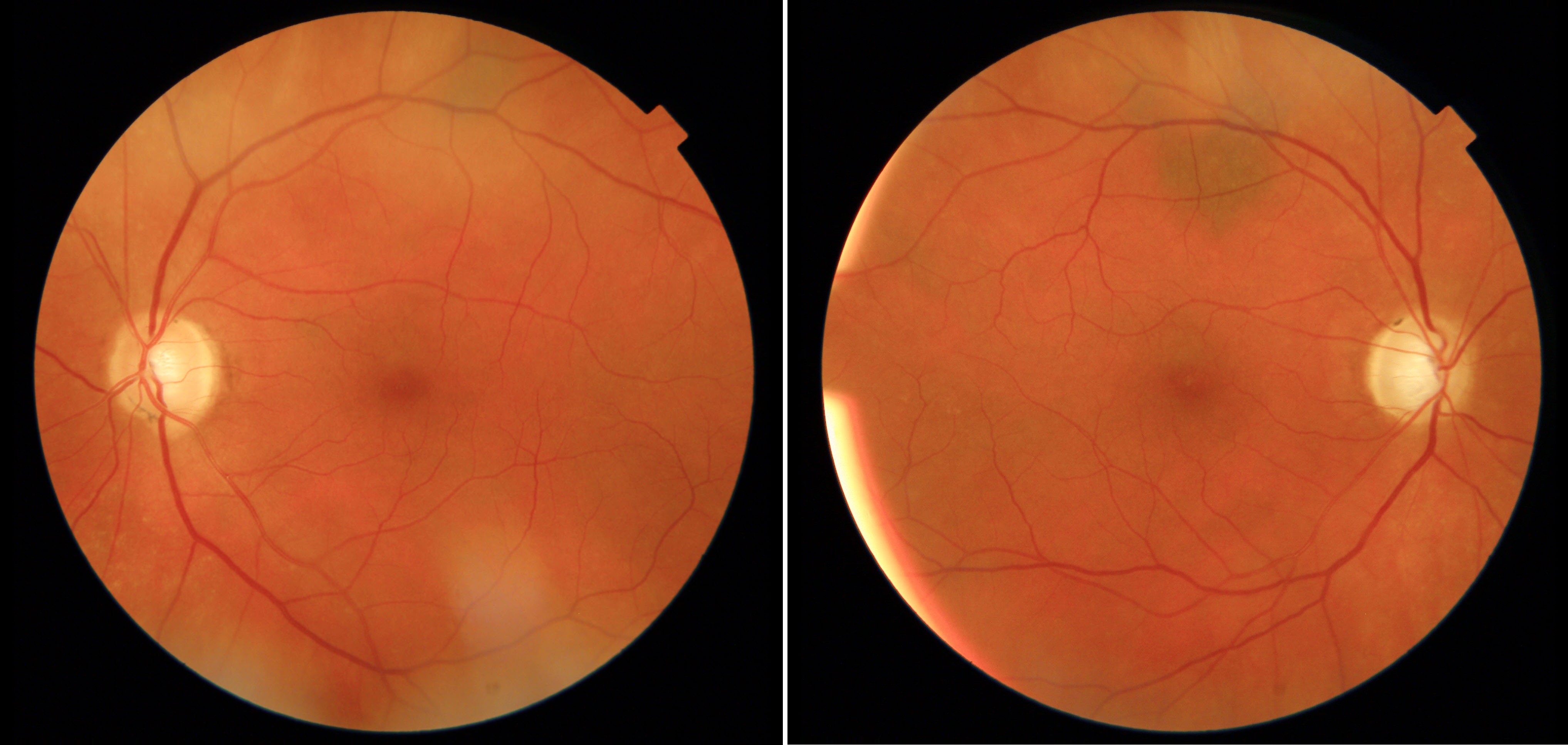
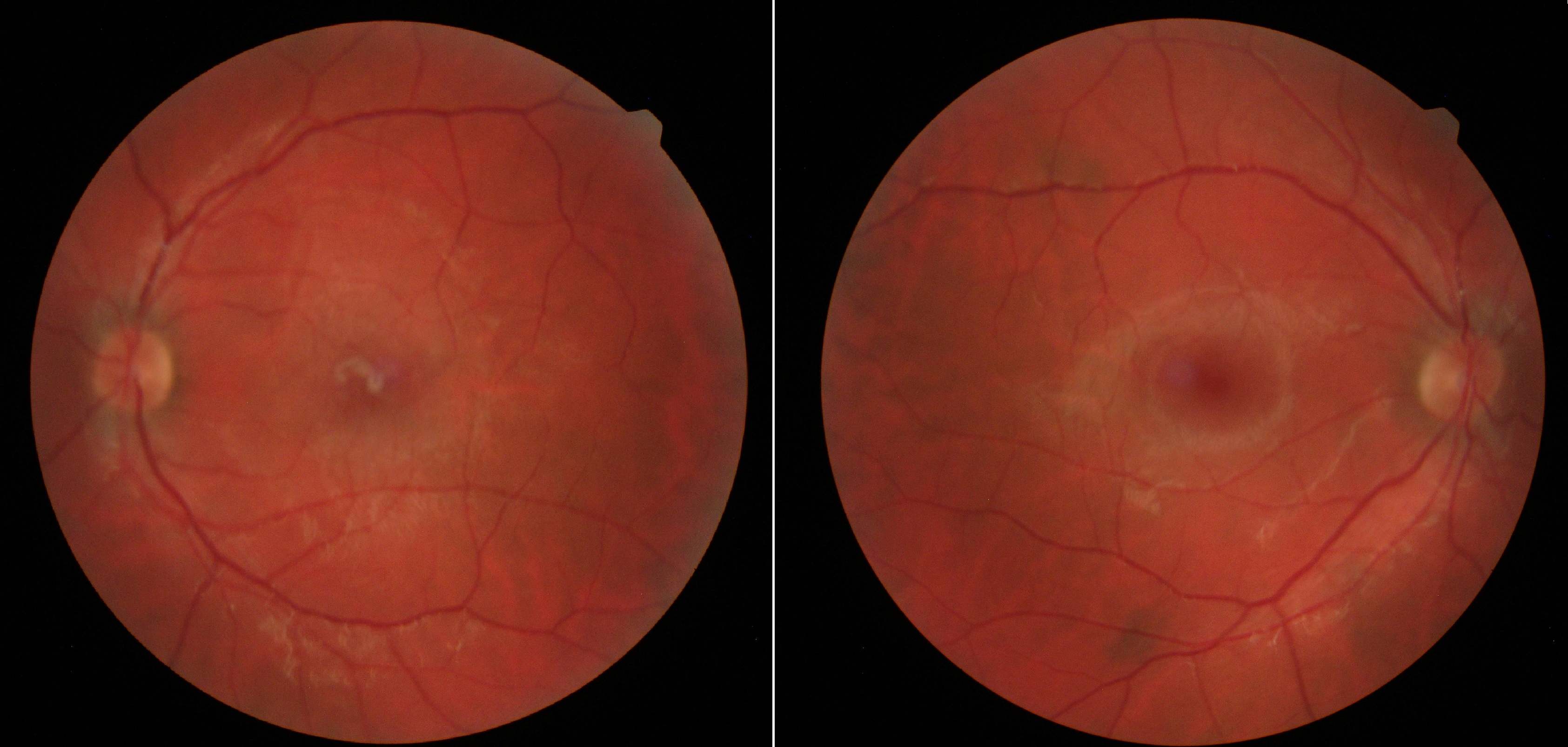
PVD
Practical, real-world retinal guidance for optometrists; what to monitor, when to refer, and how to confidently manage common posterior segment findings.
Key Clinical Themes
1. Posterior Vitreous Detachment (PVD): Common but Requires Context
PVDs were discussed as one of the most frequently encountered findings.
Key takeaways included:
Asymptomatic PVDs with no pathology generally do not require follow-up
Symptomatic PVDs without tears can typically be followed in 6–8 weeks
PVD with vitreous hemorrhage should raise suspicion for an underlying tear
Significant hemorrhage often warrants a closer look for hidden retinal breaks
Patient education is essential so new symptoms are reported immediately
Thorough documentation of findings is critical
The overall message: most PVDs are benign, but symptoms and associated findings determine risk.
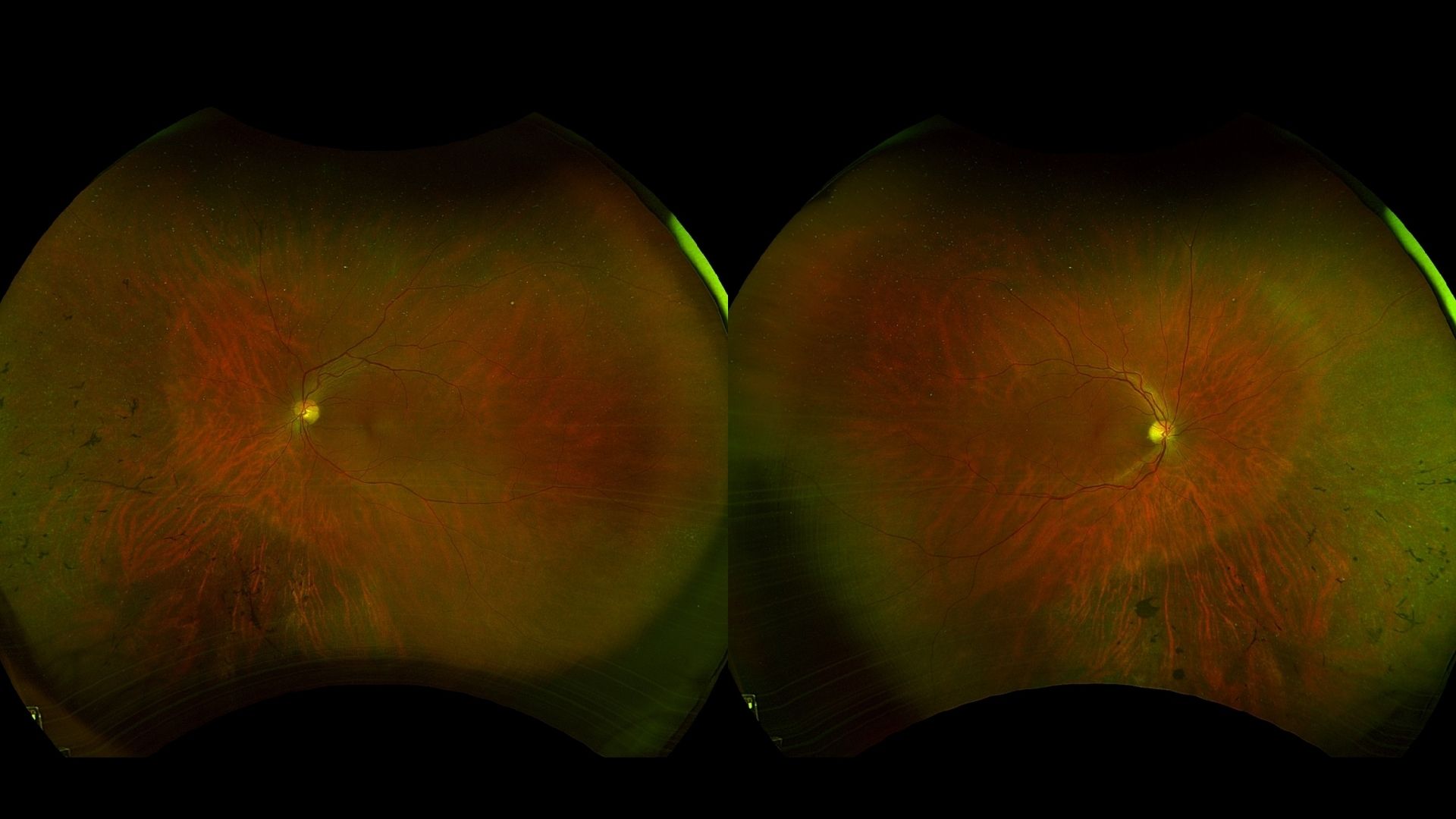
2. Lattice Degeneration: Common, Often Over-Managed
Lattice degeneration was highlighted as a frequent source of referral uncertainty.
Key points included:
Present in ~5–10% of the population
Only a small percentage progress to retinal detachment (~1%)
Management depends heavily on context, not appearance alone
Dr. Chhabra emphasized a simple checklist approach:
Is the patient symptomatic?
Any history of retinal detachment (patient or family)?
Is this truly lattice (not mimics like cobblestone degeneration)?
Are there holes, tears, or traction present?
Is there pigmentation suggesting chronicity?
Management principles:
Asymptomatic, stable lattice → monitor
Symptomatic or uncertain cases → refer
Laser is not always required and can sometimes increase traction risk
The key idea: not all lattice needs intervention, and over-treatment can occasionally create complications.
3. Retinal Tears & Detachments: Refer First, Decide Later
Retinal tears were positioned as straightforward from a workflow perspective:
Any confirmed tear → refer
Same-day referral depends on symptom timing (acute vs longstanding)
Risk factors include high myopia, trauma, prior surgery, aphakia/pseudophakia
A recurring message:
“If there’s a tear, send it. Decision-making can be left to retina.”
For retinal detachments:
Mac-on detachments: urgent (same/next day)
Mac-off detachments: urgent but slightly less time-sensitive
Chronic detachments: not emergent but still require repair
Several peripheral lesions were reviewed as common “mimickers”:
CHRPE (generally benign, often incidental)
Multifocal “bear track” CHRPE → requires GI referral for polyposis screening
Choroidal nevus → monitor for change in size or elevation
The emphasis here was on pattern recognition and not overreacting to benign lesions, while still being alert to systemic associations when patterns are atypical.
5. Uveitis: Don’t Start Steroids Prematurely
Uveitis was highlighted as an area where early referral is preferred over immediate treatment initiation.
Key messages:
Avoid starting steroids before full evaluation when possible
Posterior uveitis especially requires systemic workup
Infectious or malignant causes must be ruled out in older patients
A structured systemic history is essential before treatment
6. Imaging, AI & Communication: The Future Is Collaborative
Dr. Chhabra closed the clinical portion by emphasizing:
Imaging quality and accessibility are improving rapidly
Platforms like Care1 are enhancing communication between providers
AI tools will increasingly support, but not replace, clinical judgment
The most important clinical tool remains: communication
His recurring message:
“When in doubt, just upload to Care1.”
Practice at the highest level of medicine
✔ Specialist consults within 1-2 weeks ✔ AI-powered clinical support ✔ Greater confidence in complex decision making