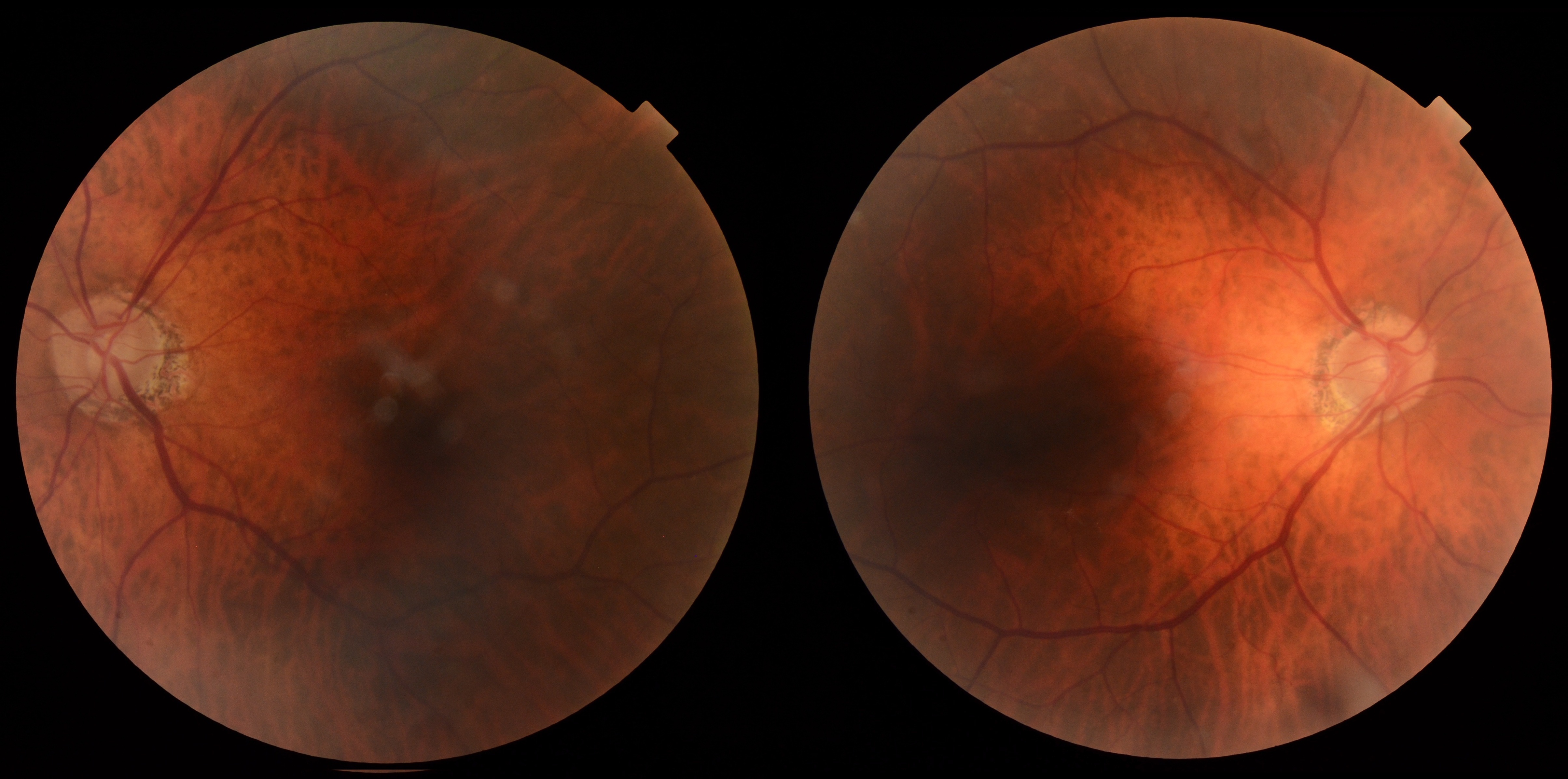
ERMs are often harmless but need careful monitoring because some can hide or develop serious retinal issues. OCT helps track changes, and only higher-risk or worsening cases need referral. Shared-care tools like Care1 help optometrists and specialists collaborate to improve monitoring and ensure timely treatment when needed.
Early Detection, Better Outcomes: Managing ERMs with Confidence Through Shared Care
“In an ideal world, every epiretinal membrane patient would receive a scleral depressed exam, because about 10% of them have retinal tears that could otherwise be missed.”
In optometric practice, subtle retinal conditions can carry significant risks if they are not identified and monitored appropriately. Epiretinal membranes (ERMs) are a perfect example. While many cases remain stable, others can progress or even be associated with more serious underlying pathology.
Through my experience, early detection, careful assessment, and collaboration with specialists are essential to ensuring the best outcomes for patients. Tools like Care1 help bridge that gap, allowing us to monitor, triage, and co-manage patients efficiently and confidently.
Why Early Detection Matters in ERMs
Epiretinal membranes are often discovered incidentally, but their management requires thoughtful evaluation.
One of the key considerations is ruling out associated retinal pathology. Ideally, every ERM patient would undergo a scleral depressed exam, as approximately 10% may have retinal tears that are not immediately visible. These tears can increase the risk of rhegmatogenous retinal detachment (RRD), making thorough assessment critical.
In day-to-day practice, that level of examination is not always feasible. However, recognizing red flags can help guide decision-making:
Rapid progression of the ERM
Presence of symptoms
Signs of inflammation, such as vitreous cells
Any suspicion of retinal breaks or tears
When these factors are present, timely referral or consultation becomes essential.
With Care1, an ophthalmology specialist can provide a virtual consult within 1-2 weeks.
The Role of OCT in Monitoring Progression
Optical coherence tomography (OCT) plays a central role in the early detection and management of ERMs.
OCT allows us to:
Identify ERMs at an early stage
Monitor structural changes over time
Evaluate the tractional component affecting vision
The traction caused by an ERM is often what leads to visual symptoms. By tracking these changes, we can better determine when surgical intervention may be appropriate.
At the same time, it is important to recognize that not all ERMs will progress. In fact, up to 50% may remain stable. For asymptomatic patients with no signs of progression, careful observation is often the most appropriate approach.
Practice at the highest level of medicine
✔ Specialist consults within 1-2 weeks ✔ AI-powered clinical support ✔ Greater confidence in complex decision making
Managing ERMs is all about balance. We want to avoid unnecessary referrals for stable, asymptomatic patients, but we also need to act quickly when there are signs of progression or increased risk.
This is where SharedCare and Care1 become especially valuable. It offers reassurance and support for both ODs and patients:
Virtual case reviews: An OMD can quickly review a patient’s case without the patient needing to travel.
Clinical Reassurance: Care1 helps confirm whether a referral is urgent or can be safely monitored.
Collaborative monitoring: We can follow patients together with specialists without overwhelming specialty clinics.
If a case appears stable, we can continue monitoring confidently. If concerns arise, we ensure the patient is seen promptly. Care1 isn’t just a tool, it’s peace of mind, encouraging timely referrals while supporting safe, efficient patient care.
Strengthening Patient Care Through Collaboration
As an optometrist, I play a critical role in early detection and patient education.
Many patients with ERMs are asymptomatic and may not fully understand their condition. Being able to explain:
What an ERM is
How it may or may not progress
Why monitoring is appropriate
…helps build trust and reduces anxiety.
When combined with shared care tools like Care1, this approach allows us to:
Provide reassurance when appropriate
Escalate care when necessary
Maintain continuity without unnecessary delays
It also helps manage patient volume more effectively, ensuring that specialists are available for the cases that truly require intervention.
What This Means for Your Practice
Incorporating structured collaboration into ERM management offers clear benefits:
For patients:
Earlier detection of potential complications
Clear understanding of their condition
Reduced anxiety through guided monitoring
For practitioners:
Increased diagnostic confidence
Support in identifying high-risk cases
Efficient co-management with specialists
For the healthcare system:
Reduced unnecessary referrals
Better allocation of specialist resources
Improved continuity of care
The Impact of Timely, Informed Decisions
ERMs may be common, but their management is nuanced.
By combining careful clinical evaluation, OCT monitoring, and access to specialist insight when needed, we can ensure that patients receive the right care at the right time.
Shared care platforms like Care1 make this possible, allowing us to practice proactively rather than reactively, and ultimately improving outcomes for everyone involved.
About Dr. Sivachandran, MD, PhD, FRCSC
Dr. Sivachandran, MD, PhD, FRCSC is an ophthalmologist with a strong focus on retinal disease management, early detection, and collaborative care. She is passionate about helping optometrists identify and monitor conditions like epiretinal membranes, ensuring patients receive timely, appropriate care through a combination of clinical expertise and shared care solutions like Care1.