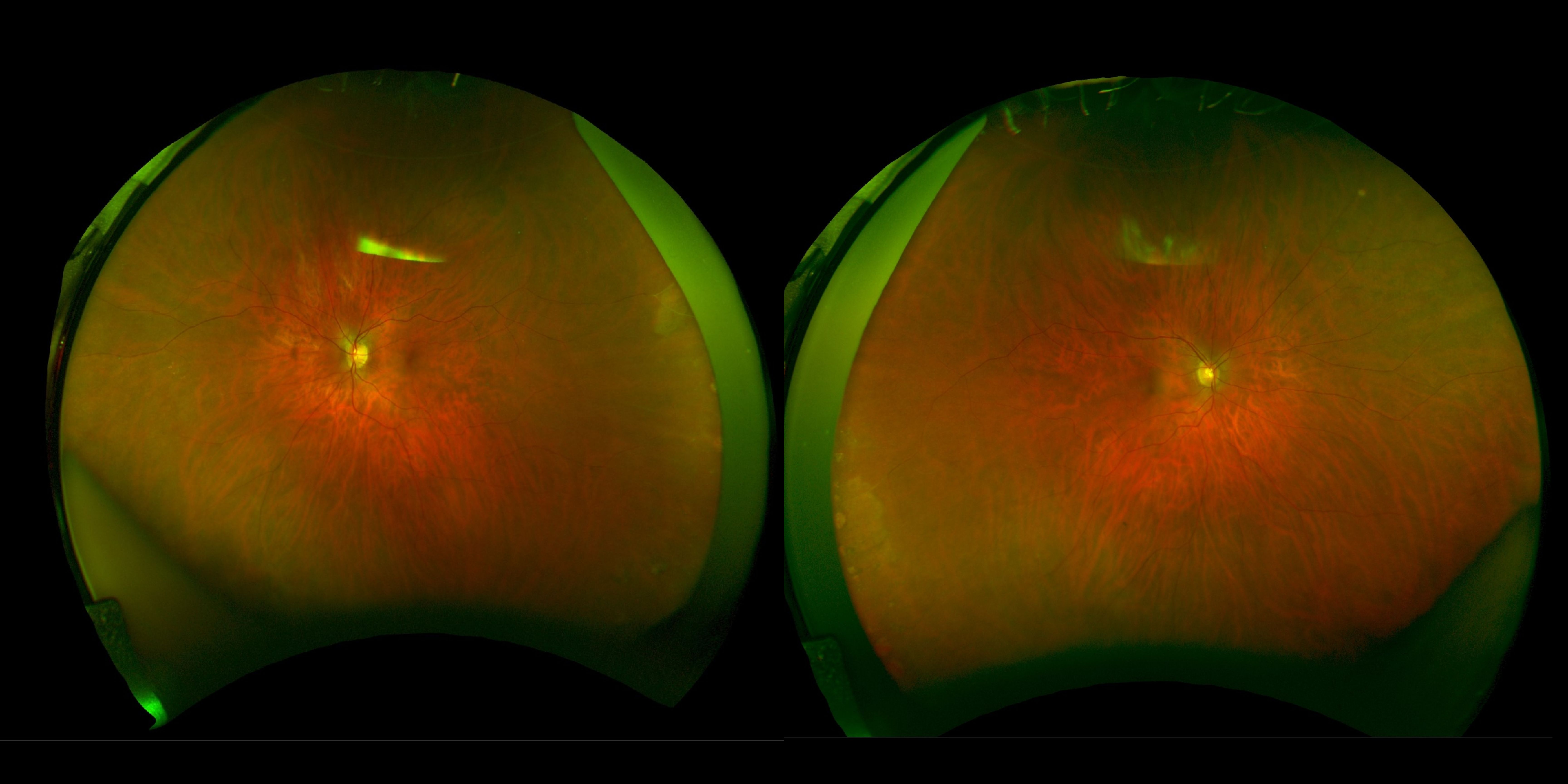
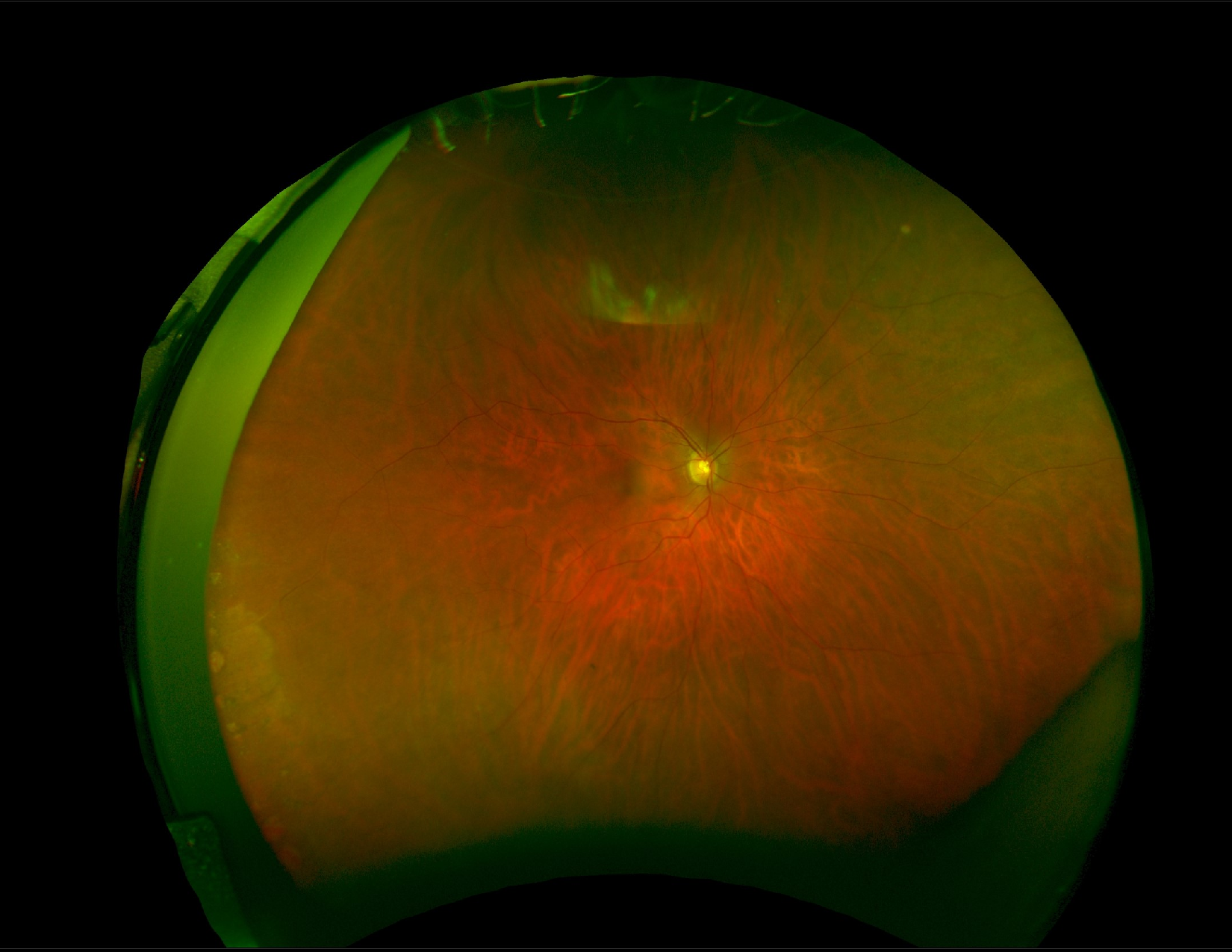
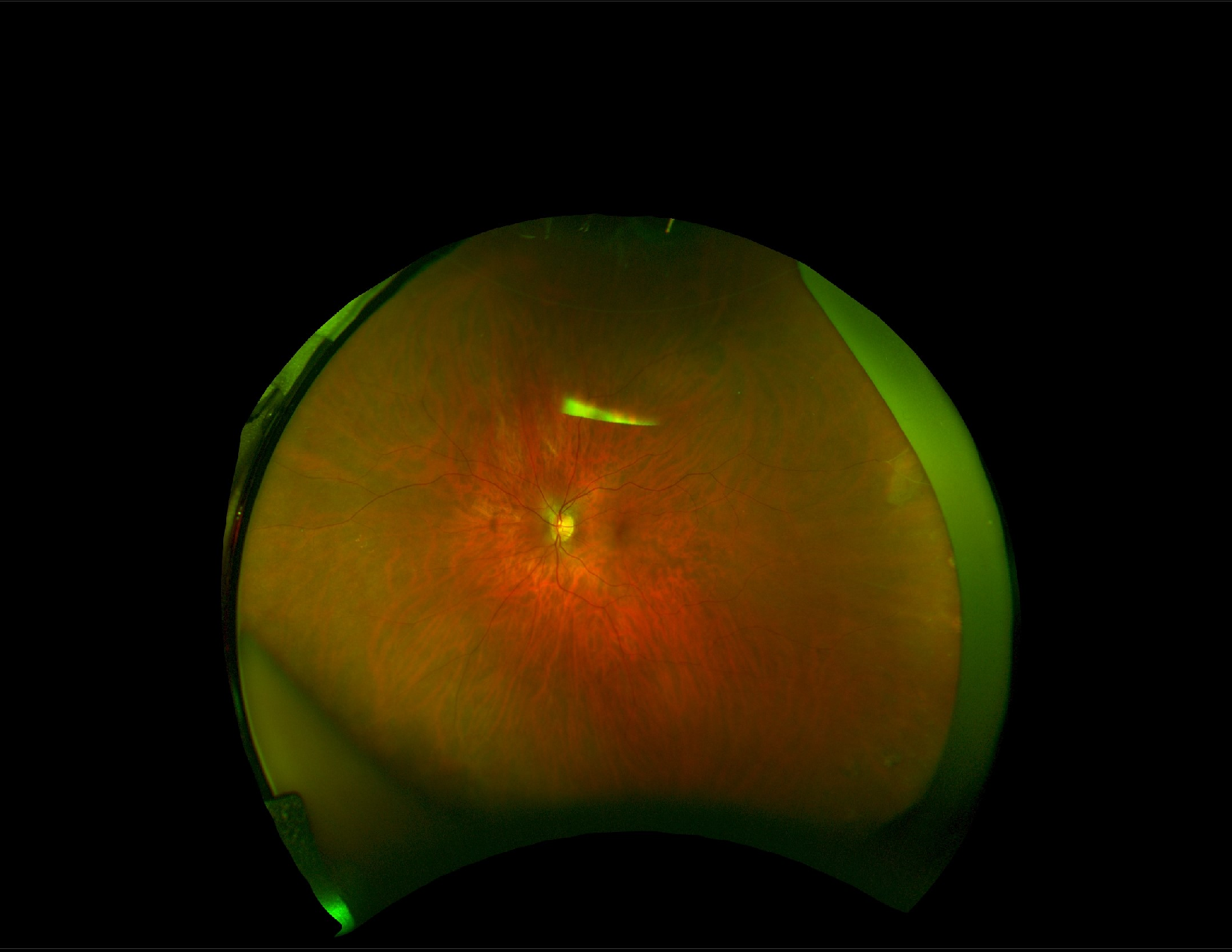
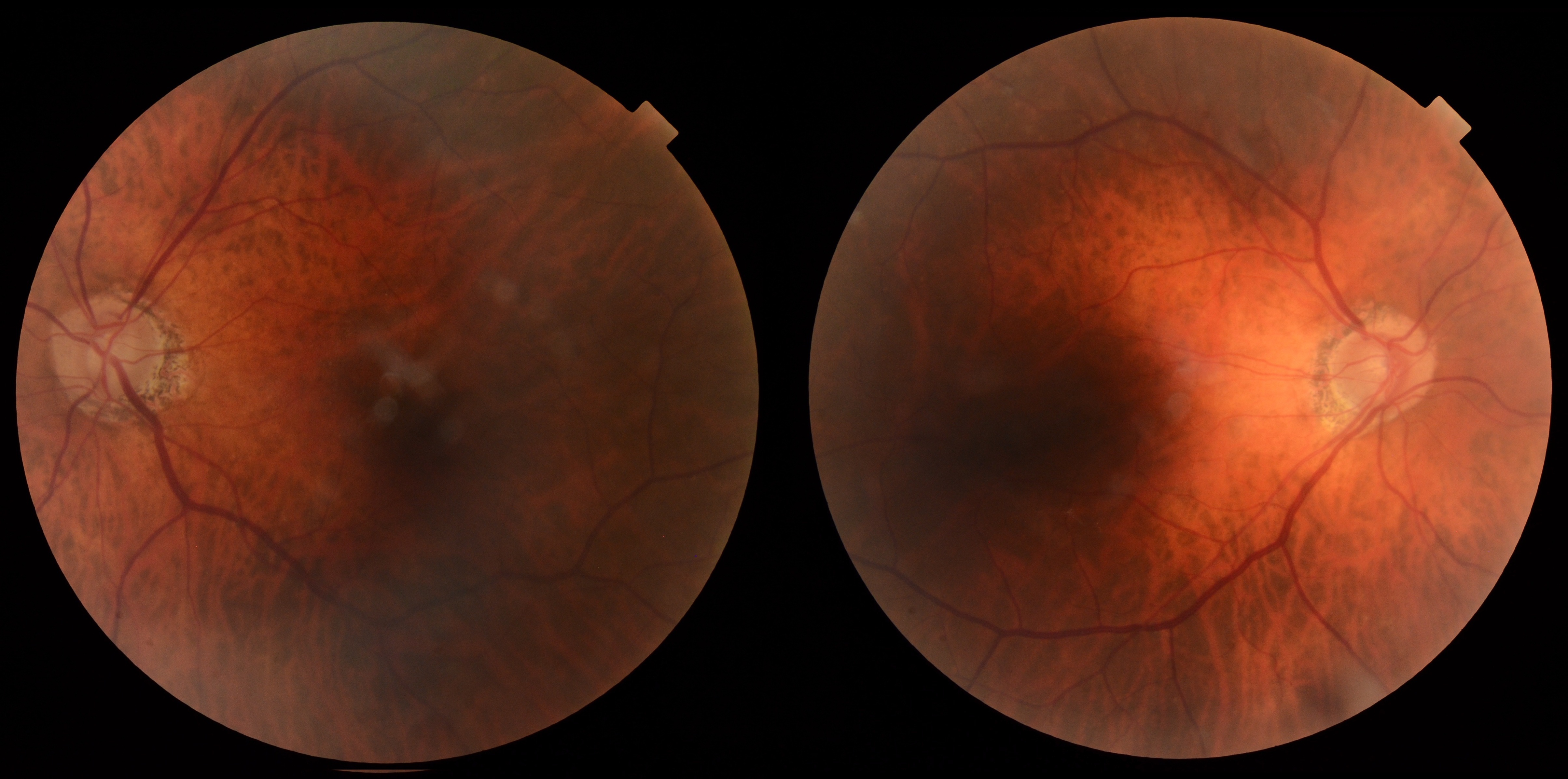
60-year-old patient on Plaquenil since 1992 with stable retinal findings and no visual symptoms.
Case Study: Long-Term Plaquenil With Stable Retina
An optometrist uploaded this case to Care1.
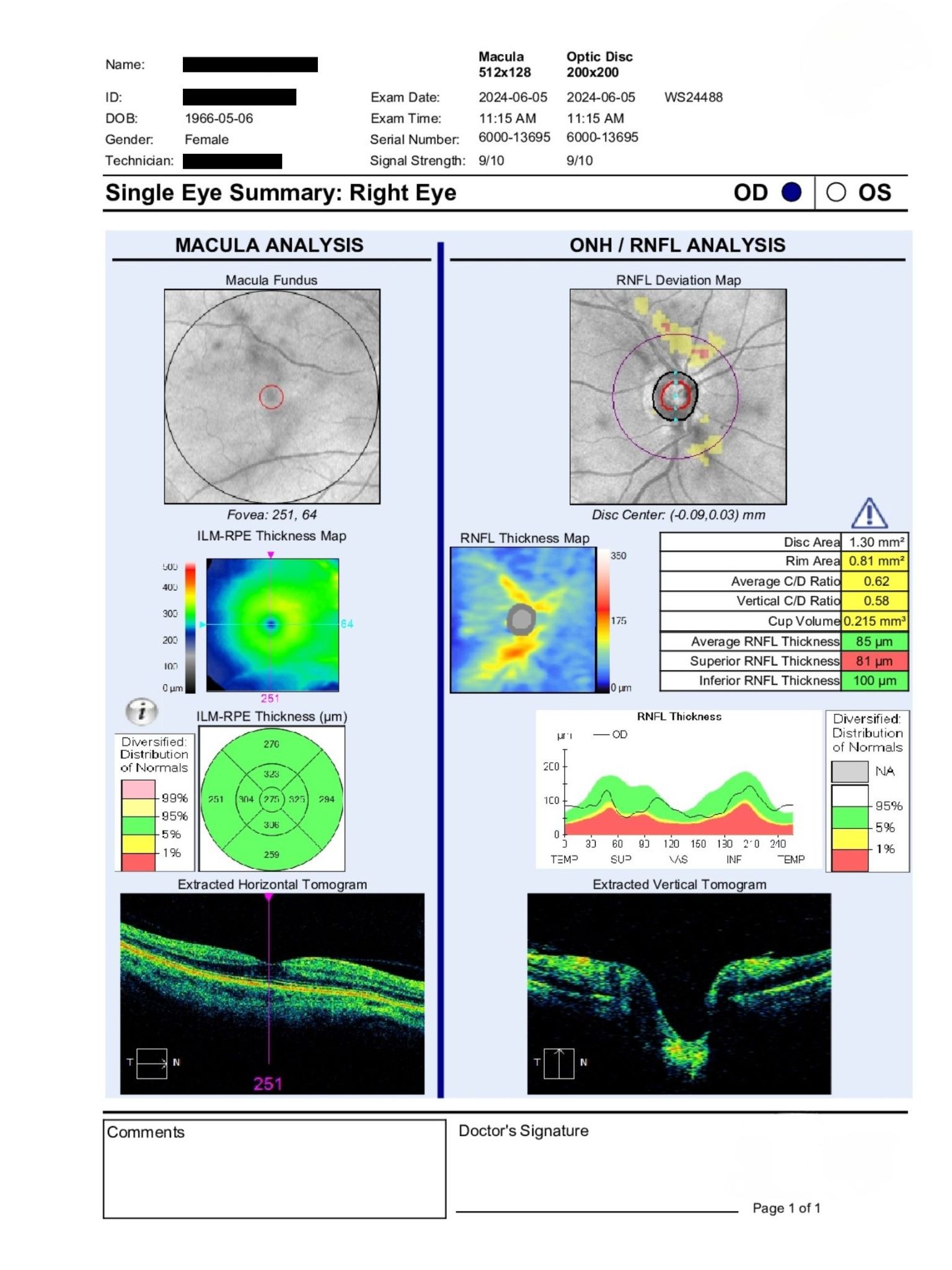
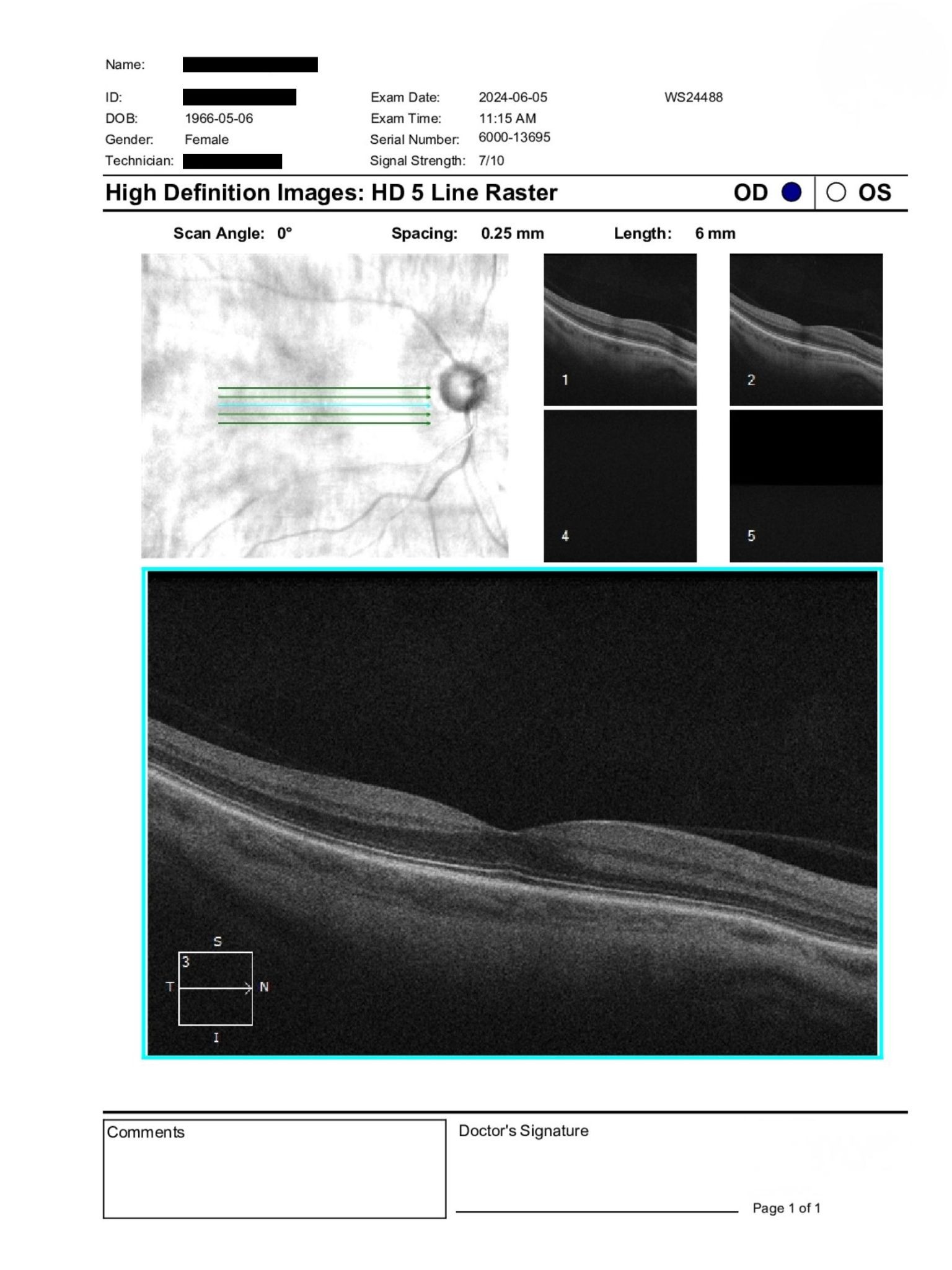
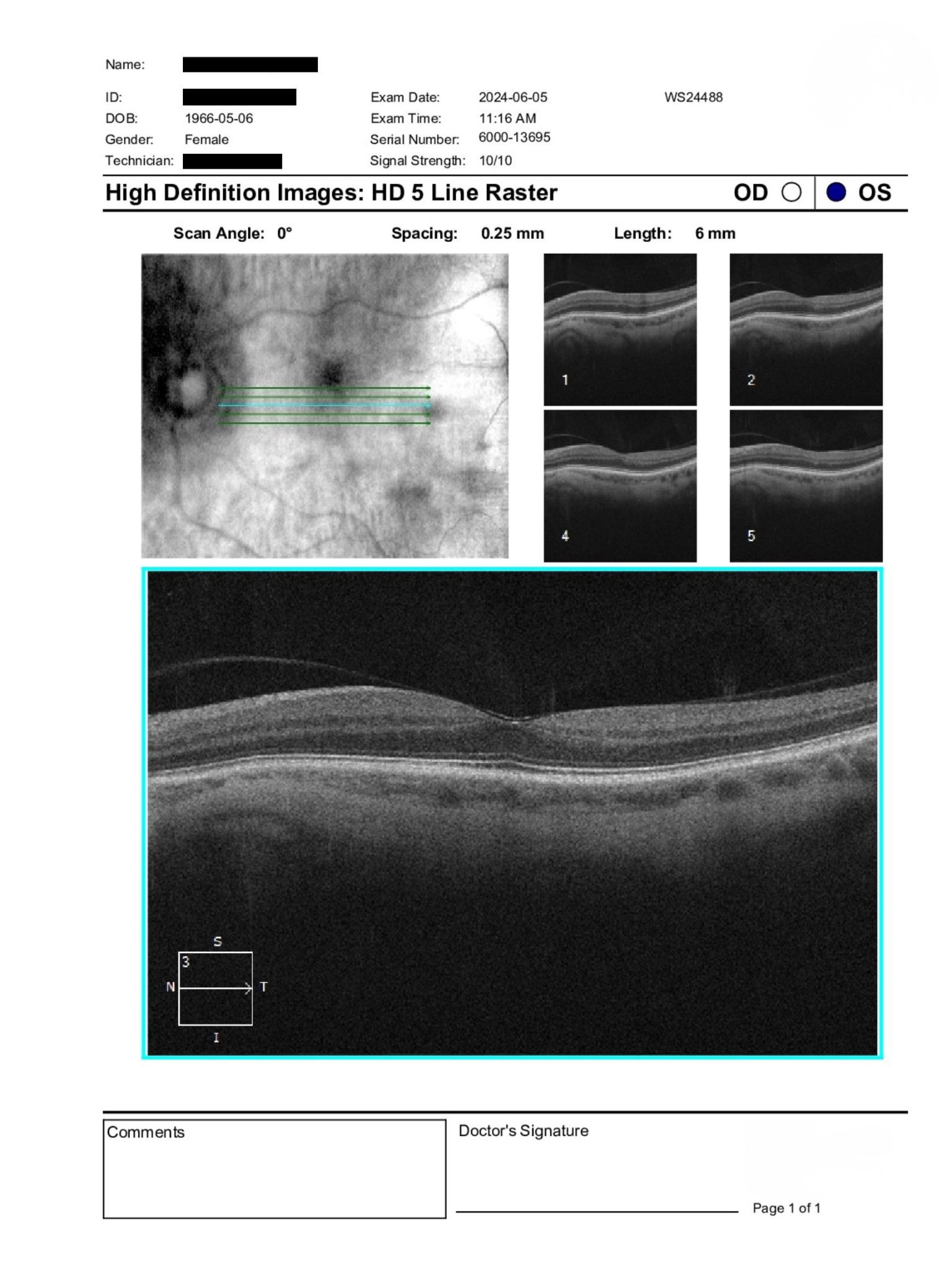
A 60-year-old patient on hydroxychloroquine therapy since 1992 was referred for retinal review of longstanding peripheral retinal findings. BCVA was 20/20 OU with IOPs of 11 mmHg OD and 9 mmHg OS. The anterior segment was unremarkable aside from mild conjunctival hyperemia. Posterior examination showed healthy optic nerves, clear maculae, and longstanding peripheral retinal changes described as pavingstone degeneration versus old retinitis OU. OCT macula demonstrated no evidence of hydroxychloroquine toxicity.
Do these longstanding peripheral retinal findings require further investigation or retinal specialist follow-up?
A retina specialist provided a virtual consult within 1-2 weeks through Care1. Scroll below to see their diagnosis.
Care1 Ophthalmologist's Teleconsult
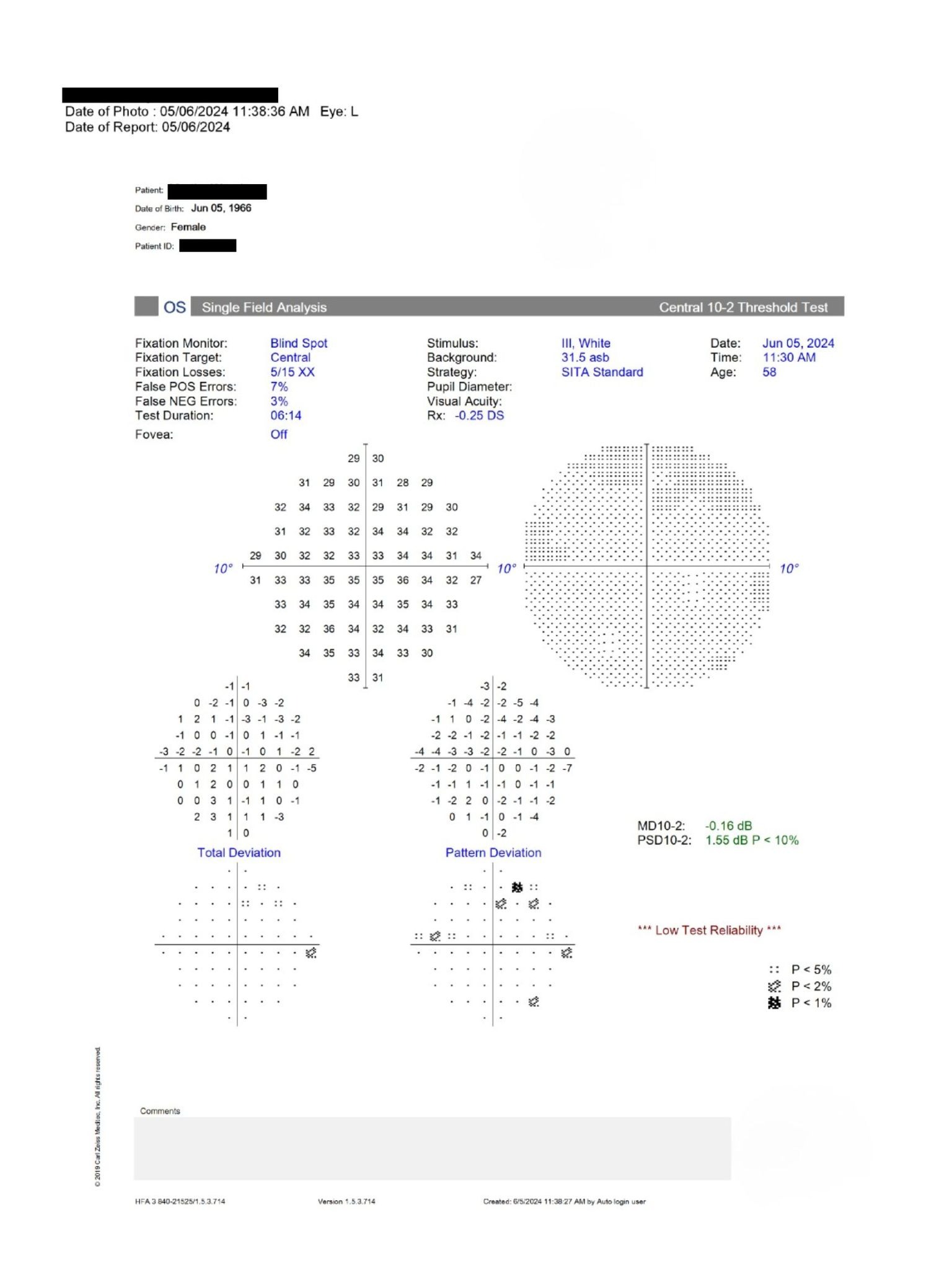
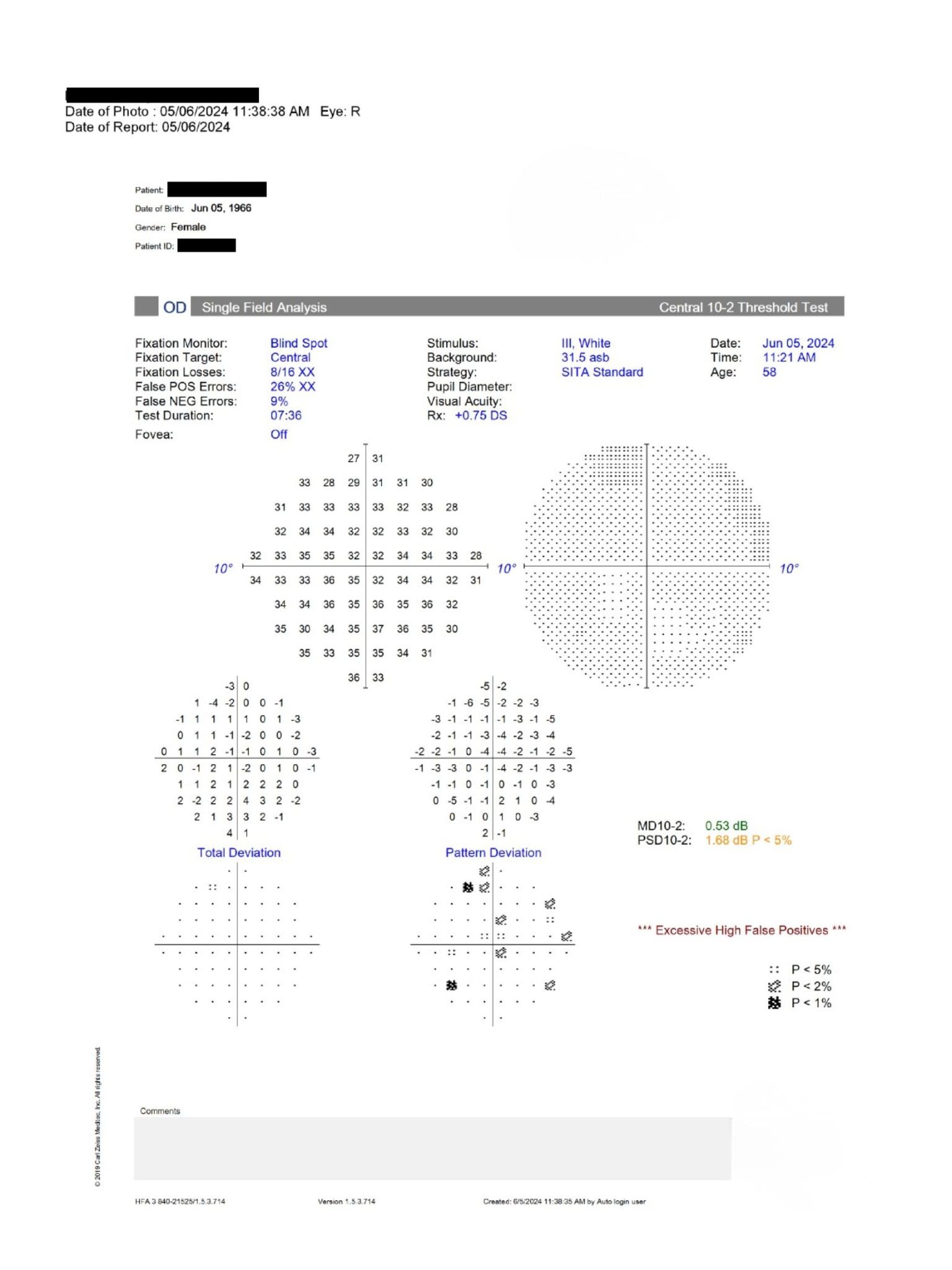
Review of the retinal imaging and functional testing showed no evidence of hydroxychloroquine retinal toxicity. While the patient's cumulative exposure is significant, the OCT macula and visual field findings did not demonstrate features suggestive of toxicity. Ongoing surveillance remains important, with consideration of regular multimodal imaging and visual field testing.
Peripheral retinal findings were consistent with benign cobblestone degeneration. Additional chronic peripheral vascular changes appeared longstanding and inactive, with no signs of active inflammation or uveitis. Given the stability of these findings over many years, no further retinal investigations were recommended.
The patient should continue routine follow-up with their optometrist and be educated regarding symptoms such as flashes, floaters, or visual field loss that would warrant urgent assessment.
Care1 AI's Clinical Insight
Hydroxychloroquine retinal toxicity is associated with cumulative dose, duration of use, and daily dose relative to body weight. Current screening recommendations emphasize the use of spectral-domain OCT and automated visual field testing to detect early retinal changes before vision loss occurs. Regular monitoring allows clinicians to identify toxicity at a stage when progression may be minimized.
Deepen your doctor-patient relationships
✔️ Shorter wait times for specialist input
✔️ More confident, transparent patient conversations
A landmark study found that the risk of hydroxychloroquine retinopathy remains relatively low during the first 10 years of therapy but increases substantially after 20 years of use, highlighting the importance of long-term screening even in asymptomatic patients.
Reference: Melles RB, Marmor MF. The risk of toxic retinopathy in patients on long-term hydroxychloroquine therapy. JAMA Ophthalmology. 2014;132(12):1453-1460. doi:10.1001/jamaophthalmol.2014.3459