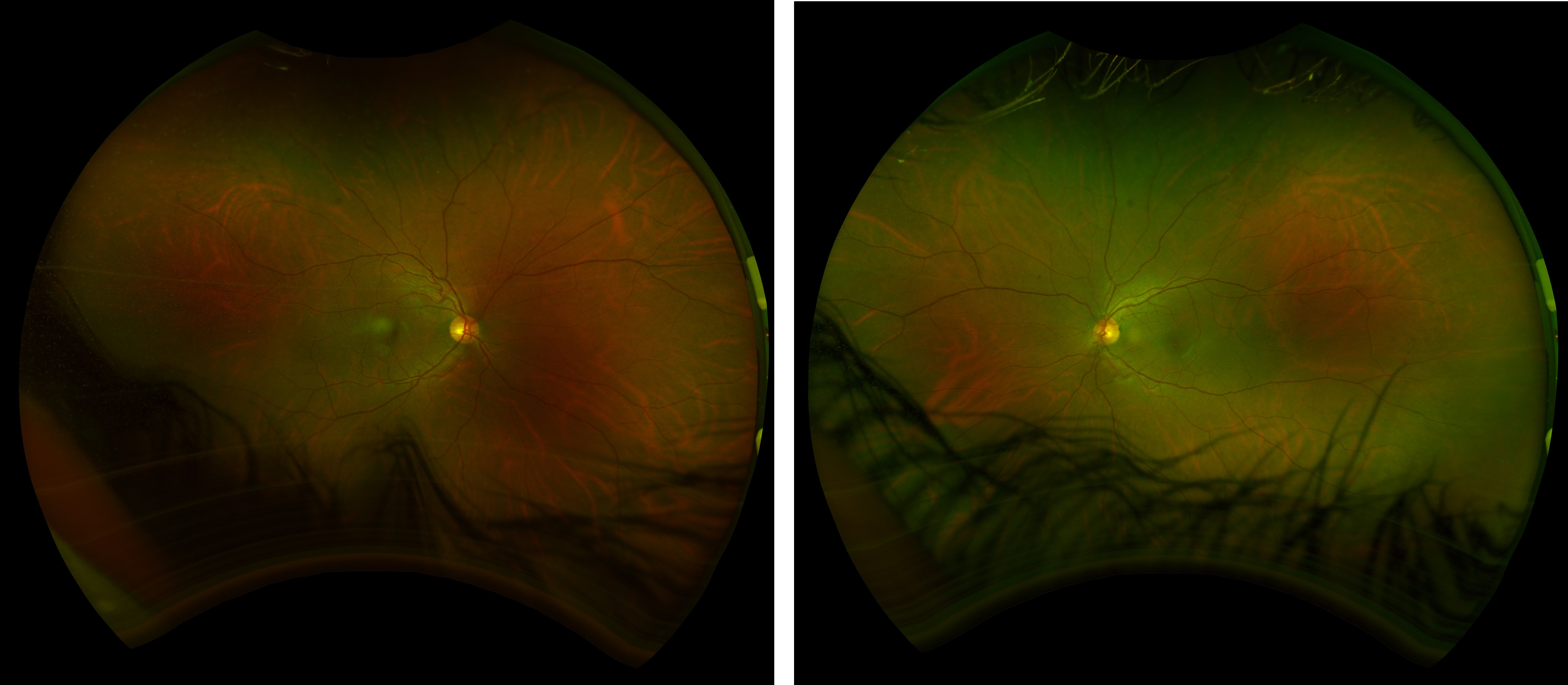
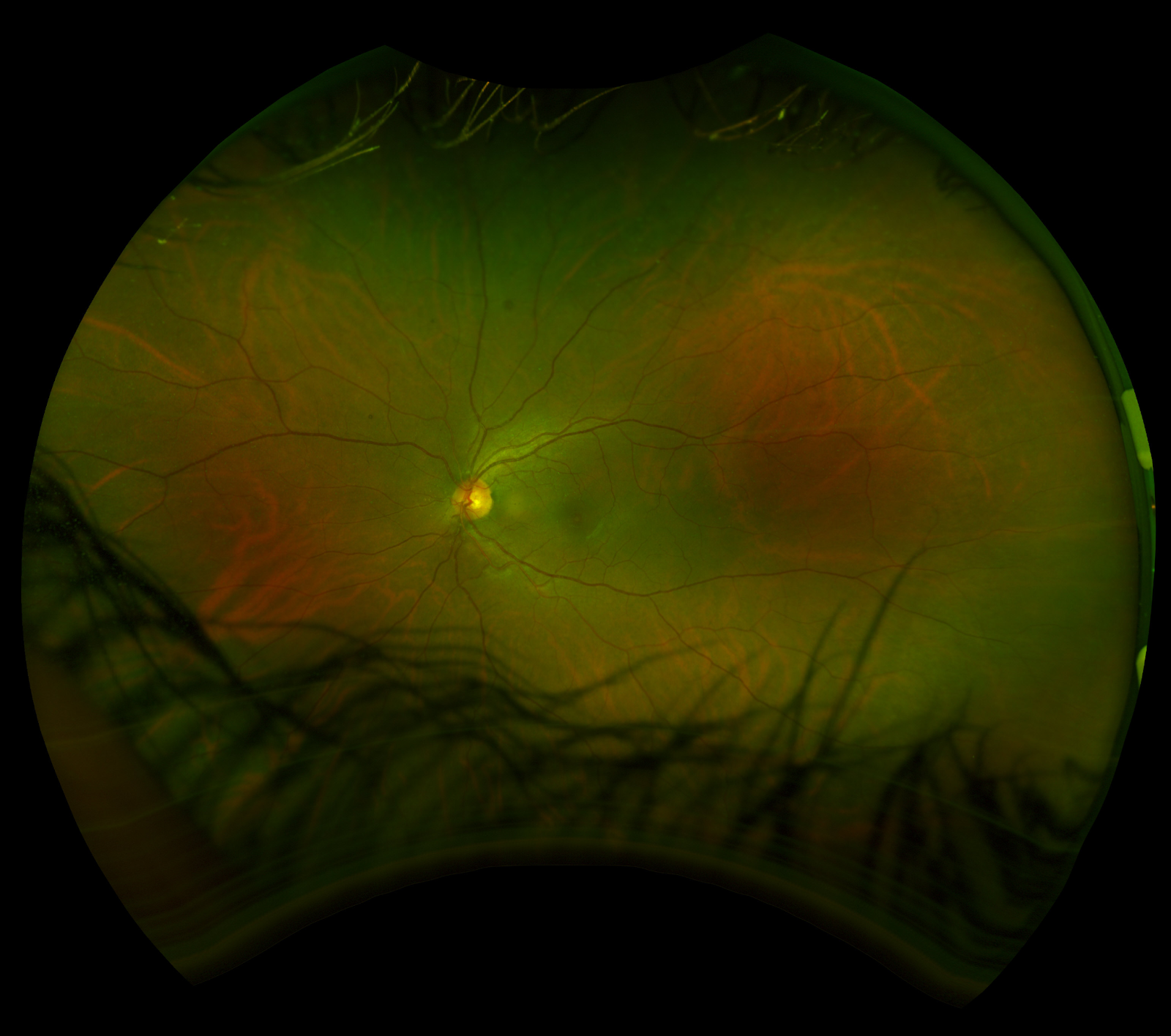
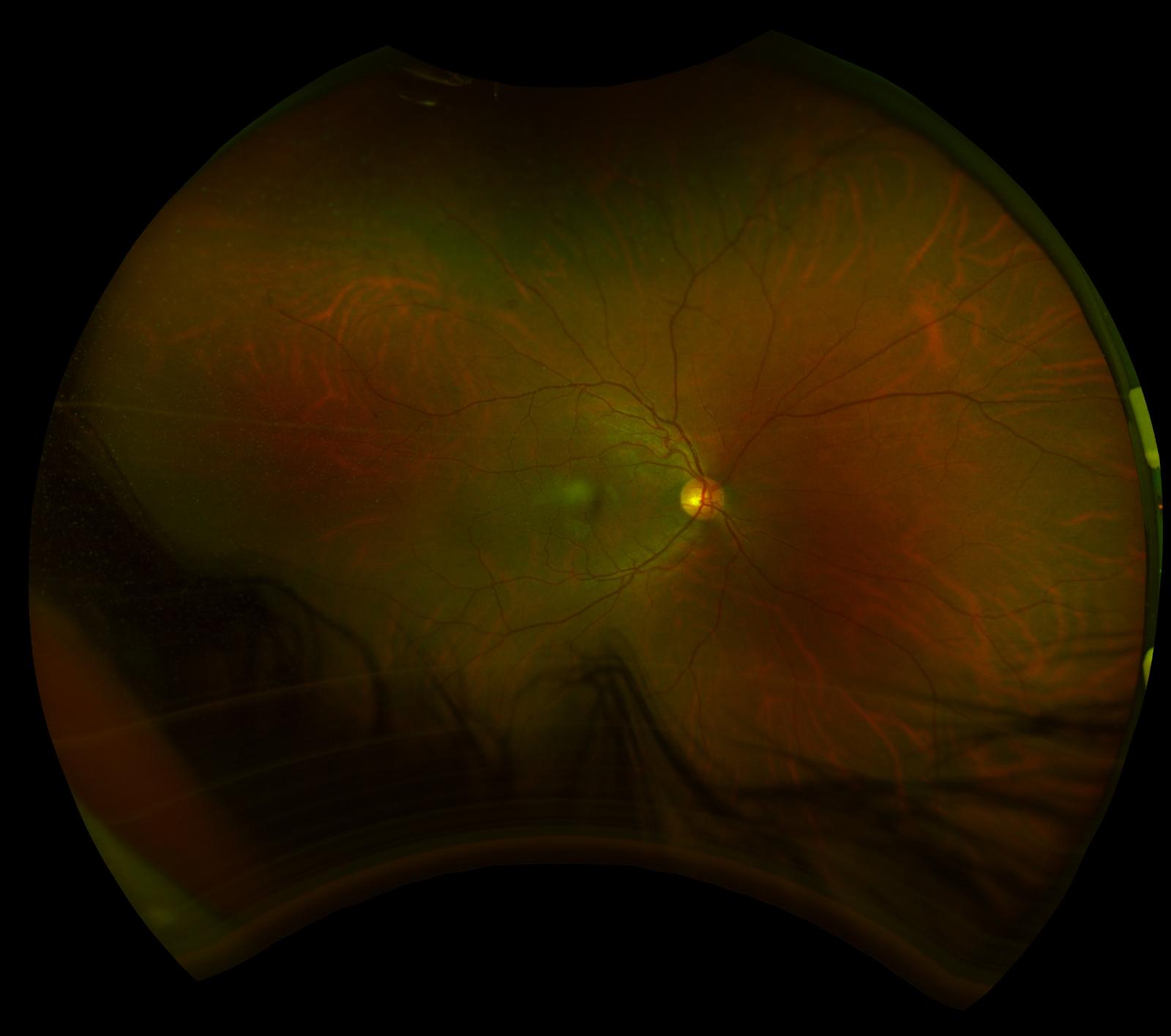
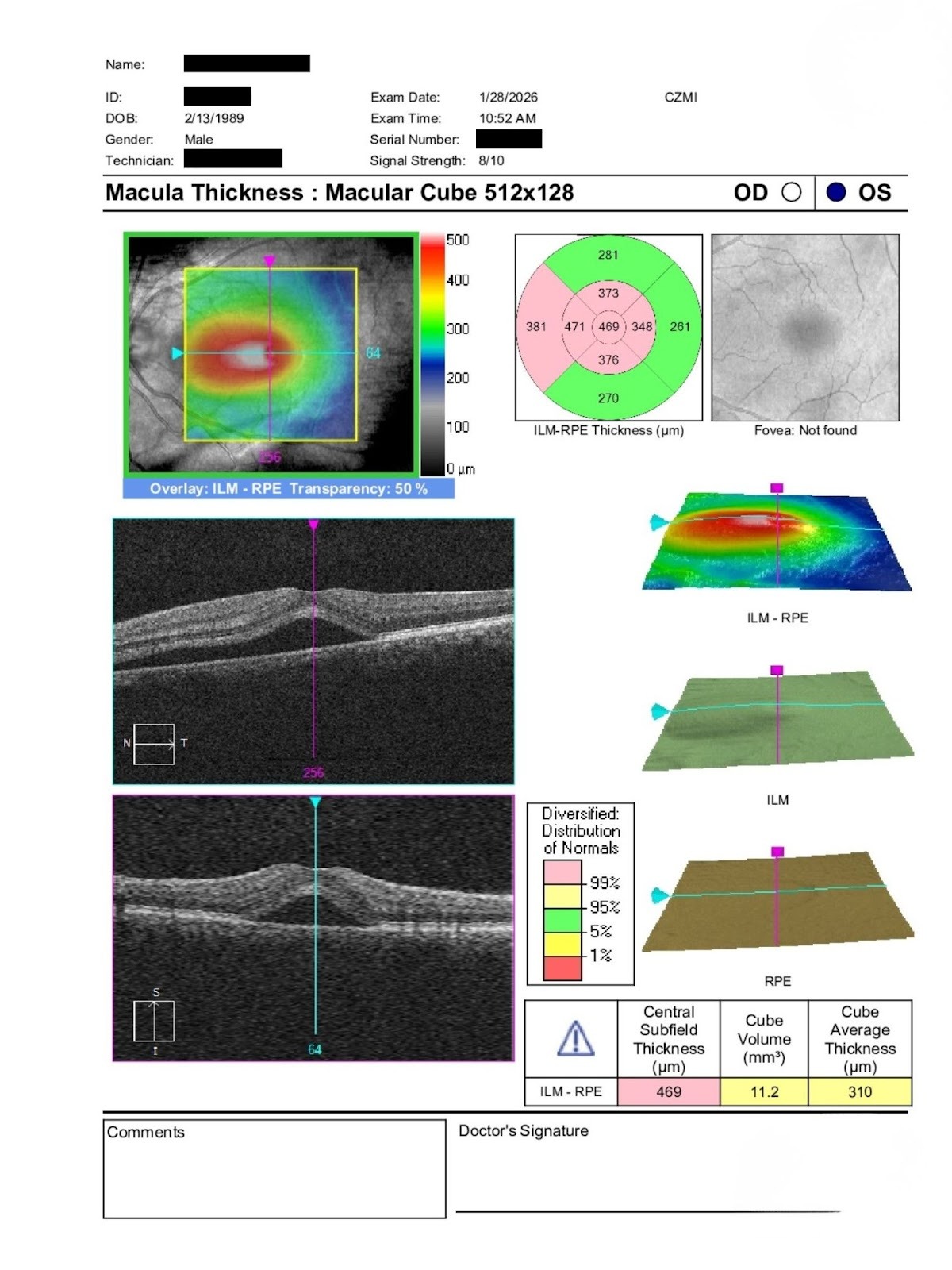
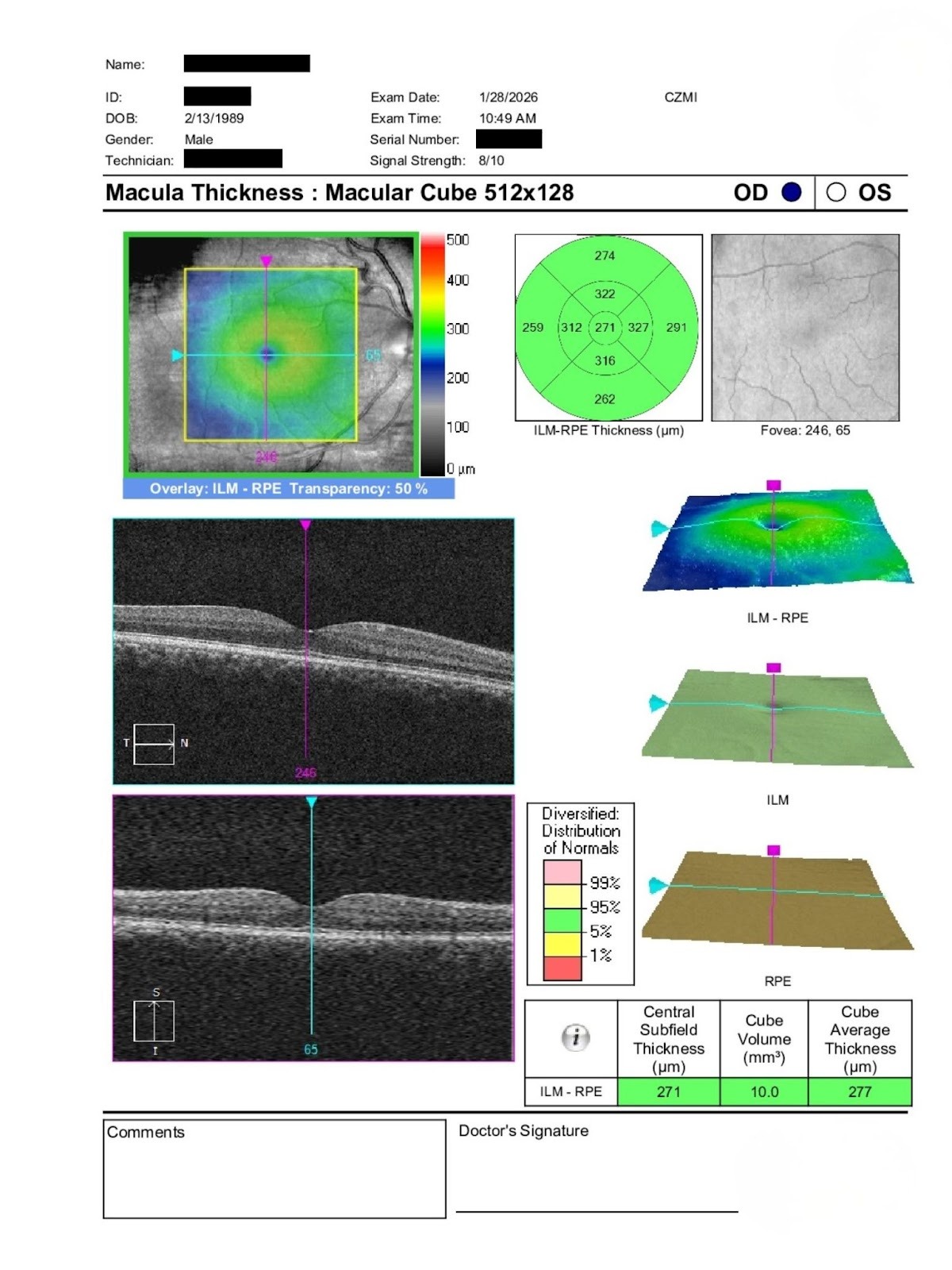
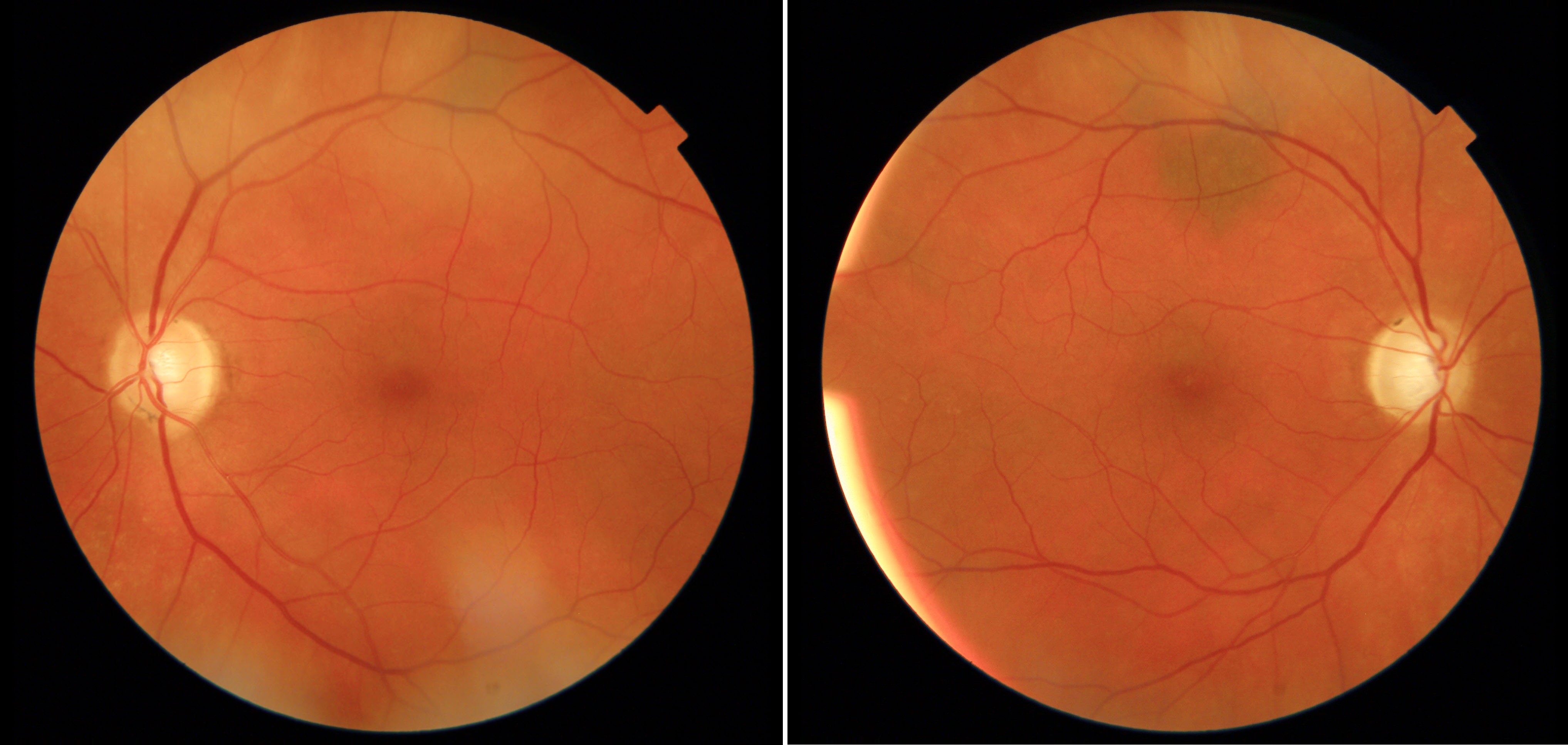
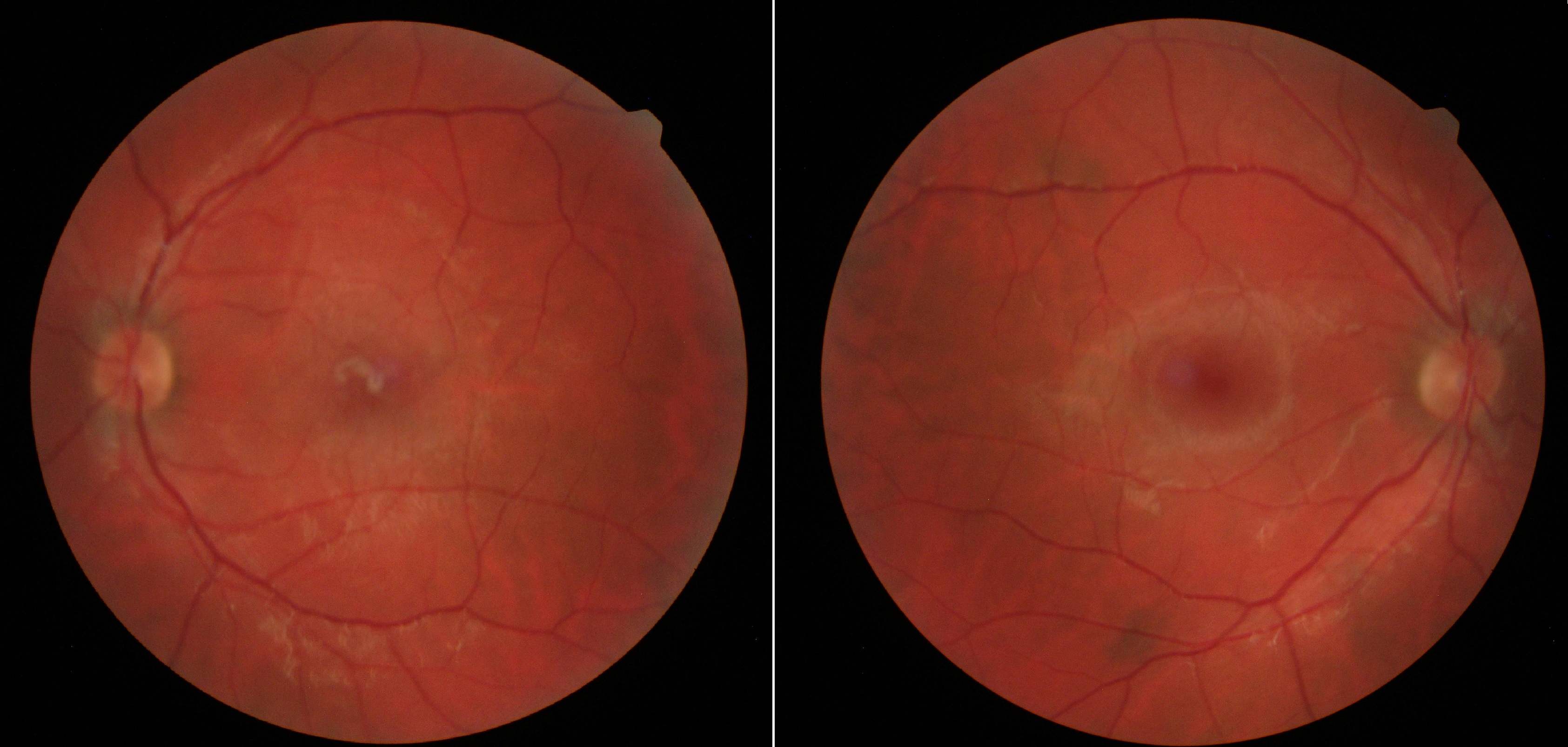
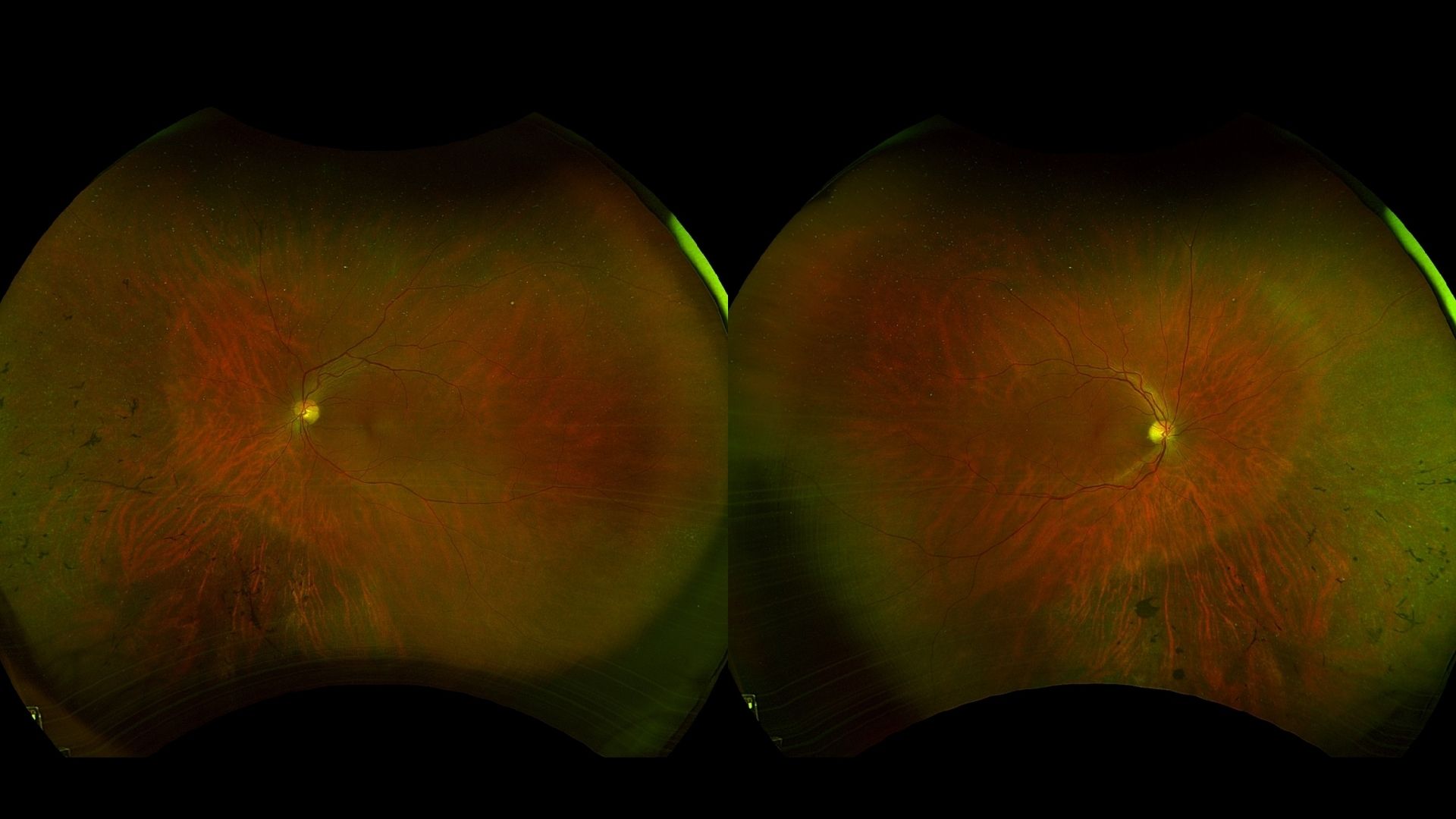
A 37-year-old patient presented with central serous retinopathy (CSR); mild subretinal fluid noted, visual acuity minimally affected.
Case Study: Central Serous Retinopathy
An optometrist uploaded this case to Care1.
A 37-year-old presented for a routine eye exam with no visual complaints. Vision was 20/20 OD and 20/25 OS, and intraocular pressures were normal (17 OD / 15 OS). Anterior segment exam was unremarkable.
Fundus exam revealed subtle subretinal fluid OD consistent with central serous retinopathy, confirmed on OCT. No other macular pathology was observed. The left eye was normal.
In an otherwise healthy patient with isolated CSR, what is your impression, and would you monitor, manage systemic risk factors, or refer to a retina specialist?
A retina specialist provided a virtual consult within 1-2 weeks through Care1. Scroll below to see their diagnosis.
Care1 Subspecialist’s Key Takeaways
Central serous retinopathy (CSR) is a retinal condition characterized by localized accumulation of subretinal fluid at the macula, often causing subtle visual distortion even when acuity remains near normal. CSR most commonly affects healthy adults aged 30–50 and may be associated with endogenous or exogenous corticosteroid exposure and stress‑related systemic factors.
OCT imaging is essential for diagnosis and monitoring, as spontaneous resolution frequently occurs but chronic fluid warrants close follow‑up. Persistent or worsening subretinal fluid should prompt consideration of specialist evaluation and advanced imaging.
Care1 AI’s Clinical Insight
Central serous chorioretinopathy (CSCR) is an eye disease in which fluid leaks under the retina, typically accumulating under the central macula and leading to blurred or distorted vision. It is thought to involve choroidal dysfunction and abnormal permeability of the retinal pigment epithelium, and is most often seen in young to middle‑aged adults. OCT, fluorescein angiography, and indocyanine green angiography are key imaging modalities for confirming subretinal fluid and leakage.
Did You Know?
Studies indicate that endogenous cortisol levels are elevated in many individuals with central serous chorioretinopathy, and corticosteroid exposure, whether systemic, inhaled, or topical, has been consistently associated with triggering or exacerbating CSR. These findings underscore the importance of reviewing all sources of corticosteroid exposure in patients with this condition.
Haimovici R, Koh S, Gagnon DR, et al. Risk factors for central serous chorioretinopathy: a case control study. Ophthalmology. 2004;111:244–249.
Key Clinical Takeaway
Patient presented with mild central serous retinopathy (CSR) in the right eye (OD).