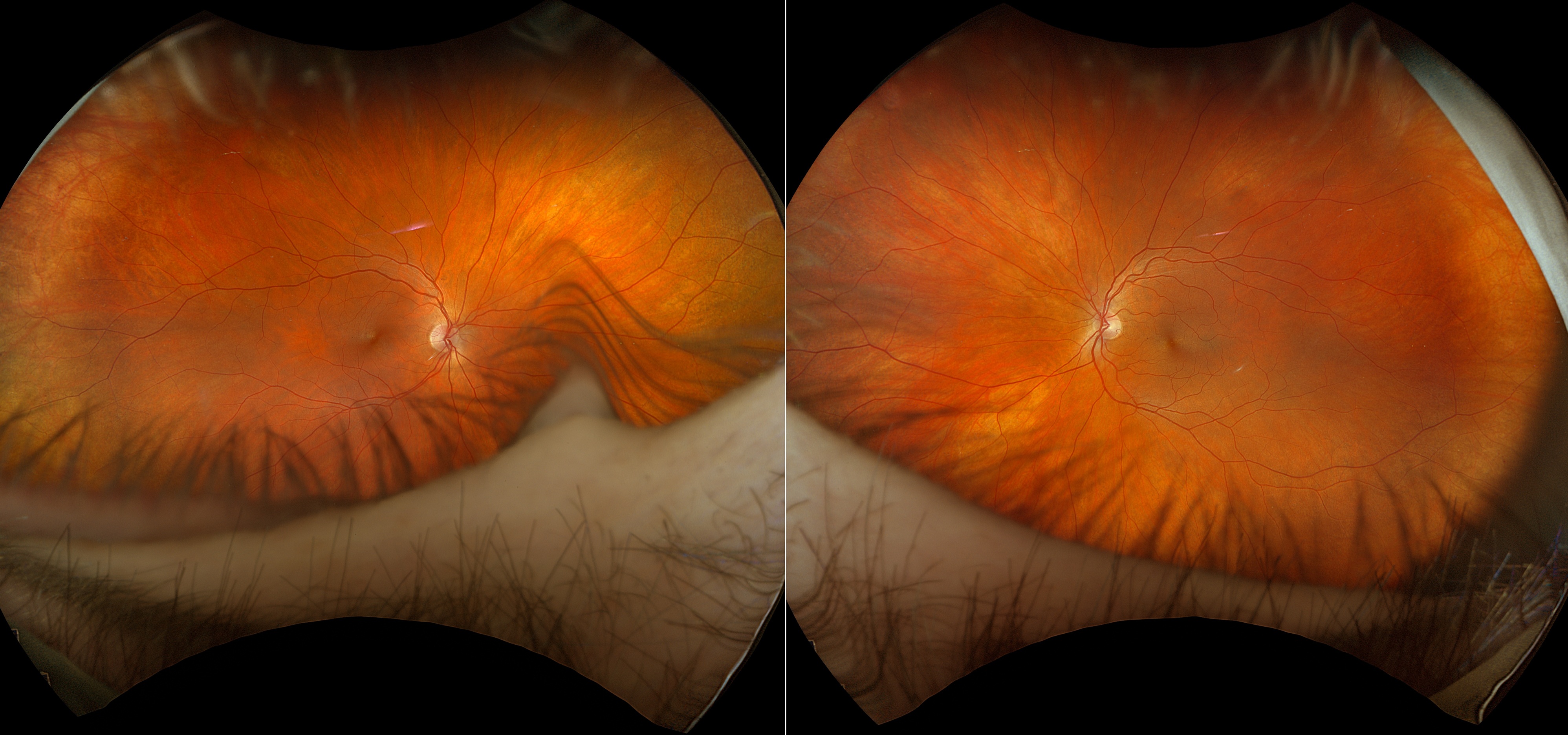
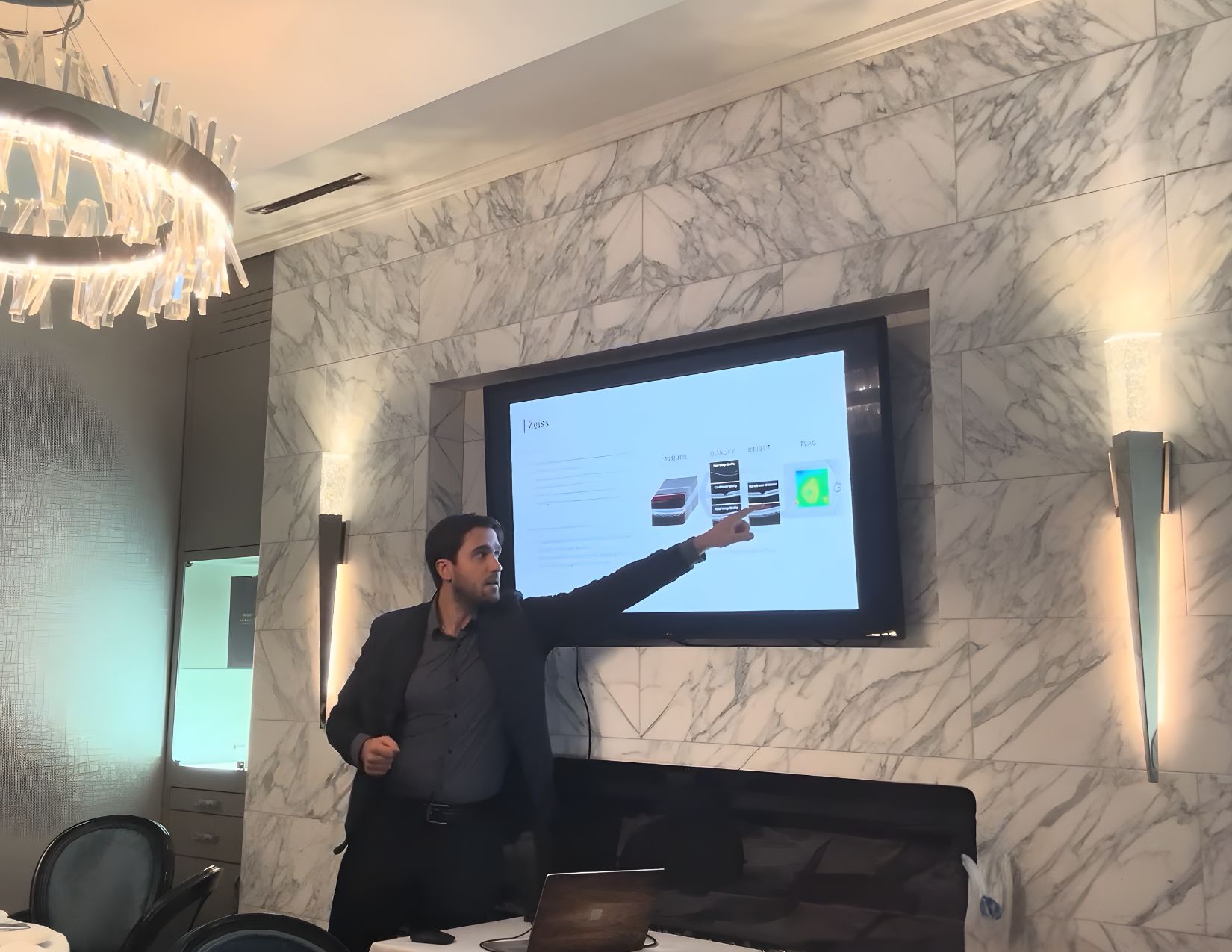
Here’s what you missed from the AI & Retina Innovations Dinner, an evening focused not just on new technology, but on the responsibility optometrists carry every day. From catching early signs of disease to making critical referral decisions, the discussions centered on how clinicians can move forward with greater confidence, clarity, and support in complex patient care.
AI & Retina Innovations Dinner Summary
Featuring Dr. Marko Popovic
Purpose of the Evening
The dinner was designed to:
Explore practical applications of AI in retinal disease detection and management
Share emerging clinical insights in AMD and diabetic macular edema (DME)
Discuss how biomarkers are shaping earlier diagnosis and treatment decisions
Foster peer discussion on integrating telemedicine into optometric practice
Virtual clinical insights shared during the Care1 dinner. Scroll below for key takeaways.
Key Clinical Themes
1. AI in Retinal Imaging and Screening
Discussion focused on how AI tools are increasingly used to support early detection and triage of retinal disease. Key points included:
Improved efficiency in identifying high-risk patients
Enhanced support for clinical decision-making
Potential to reduce diagnostic delays in routine screening workflows
2. Biomarkers in AMD and DME
The session highlighted evolving evidence around imaging and fluid-based biomarkers. Key takeaways included:
Biomarkers as predictors of disease progression
Their role in guiding treatment timing and intensity
Growing clinical utility in personalizing patient management
3. Telemedicine and Collaborative Care Models
Participants explored how tele-ophthalmology is expanding access to retina care. Highlights included:
Improved collaboration between optometry and ophthalmology
Increased access for patients in underserved regions
Integration opportunities within existing clinical workflows
Key Takeaways
AI is becoming an important adjunct tool in retinal disease detection and management
Biomarkers are increasingly central to understanding AMD and DME progression
Telemedicine is enabling more collaborative and accessible retina care models
Strong interest exists in practical implementation within optometric practice
Notable Insights
“AI is not replacing clinical judgment, but enhancing it through earlier and more consistent detection support.”
“Biomarkers are shifting retina care toward more predictive and individualized treatment strategies.”
Because when it comes to retina care, getting it right early matters and having the right support behind you can make all the difference.

.jpg)